Tuberculosis (TB) continues to cast a long shadow over global public health, claiming thousands of lives daily and infecting millions more with a preventable and curable disease. In a pivotal move to confront this persistent scourge, the World Health Organization (WHO) has unveiled comprehensive new guidelines endorsing a suite of innovative diagnostic tools and strategies. These advancements are designed to significantly enhance the speed and accessibility of TB detection, thereby accelerating treatment initiation and curbing the disease’s transmission worldwide. The recommendations underscore a critical shift towards decentralized, patient-centered care, aiming to overcome long-standing barriers that have hampered global efforts to eradicate TB.
At the forefront of these innovations are new near-point-of-care molecular diagnostic tests. These portable, user-friendly devices represent a transformative step in bringing sophisticated diagnostic capabilities directly to communities, moving beyond the confines of centralized laboratory facilities. Unlike many existing molecular diagnostics that are often costly and require complex infrastructure, these new tests are engineered for simplicity and affordability. Operating on battery power, they can deliver highly accurate results in under an hour, dramatically reducing the diagnostic turnaround time. This rapid feedback loop is crucial, enabling healthcare providers to initiate life-saving treatment much sooner than previously possible, which is a key factor in improving patient outcomes and preventing further spread. Furthermore, their lower cost – less than half that of many current molecular platforms – positions them as a viable solution for countries with constrained health budgets, facilitating a wider rollout and expanded access to testing.
The utility of these advanced diagnostic platforms extends beyond tuberculosis, offering a versatile solution for a range of infectious diseases. Their inherent adaptability allows for the potential detection of other critical pathogens such as HIV, mpox, and human papillomavirus (HPV) using the same technology. This multi-disease diagnostic capability promotes a "one-stop-shop" model of care, making diagnostic services more integrated, equitable, and efficient for patients facing various health challenges. Such an approach not only optimizes resource allocation within health systems but also enhances the patient experience by consolidating testing needs.
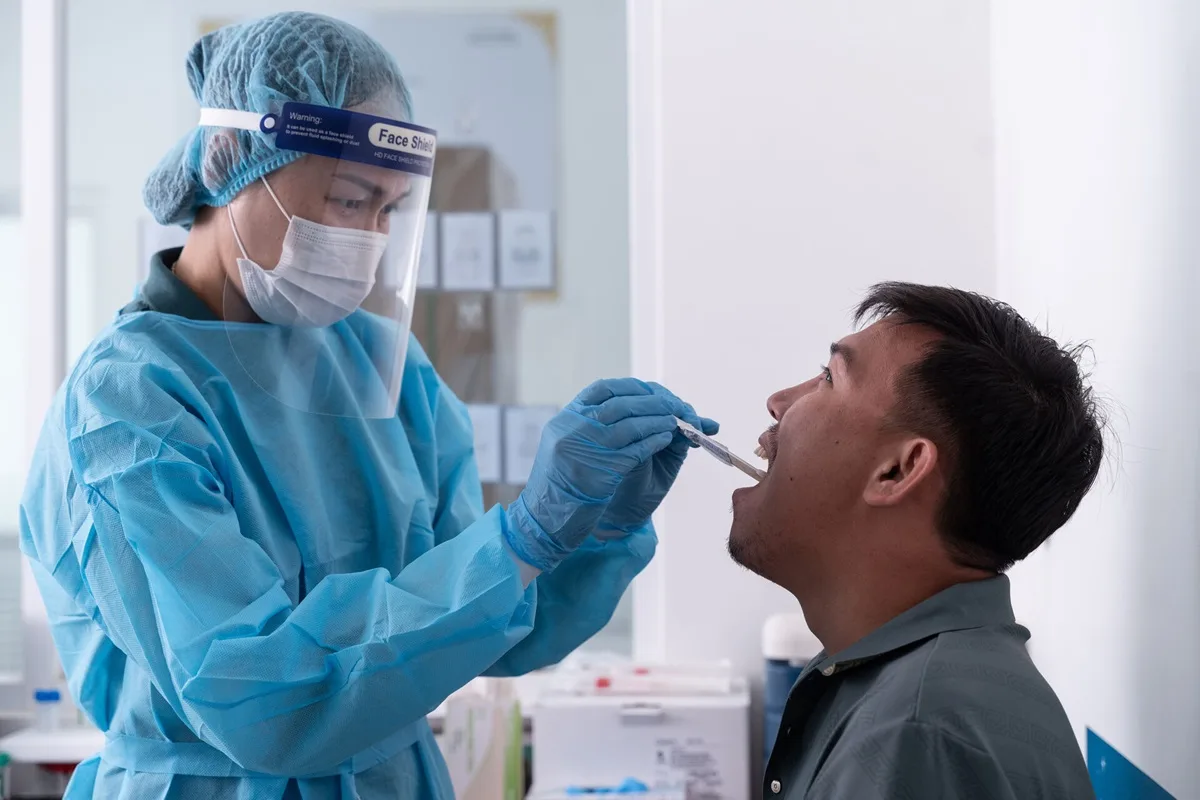
Complementing these technological advancements are novel approaches to sample collection and processing that address specific challenges in TB diagnosis. The new guidelines advocate for the use of easy-to-collect tongue swab samples, a significant breakthrough for populations previously underserved by conventional diagnostic methods. Historically, TB diagnosis has heavily relied on sputum samples, which can be difficult or impossible for certain individuals – including young children, the elderly, and those too ill to produce sufficient sputum – to provide. Tongue swabs offer a non-invasive, accessible alternative, enabling the detection of TB among adults and adolescents who are at an elevated risk of severe disease and mortality but could not previously be tested effectively. This inclusive method promises to close critical diagnostic gaps, ensuring that more vulnerable individuals receive timely diagnoses.
In parallel, the WHO has recommended a cost-saving sputum pooling strategy, designed to optimize laboratory efficiency, especially in resource-limited settings. This method involves combining samples from several individuals and testing them together as a single batch. If the pooled sample yields a negative result, all individuals in that pool are presumed negative, significantly reducing the number of individual tests required. If a pooled sample tests positive, individual samples from that batch are then tested separately to identify the infected person(s). This strategy not only conserves costly reagents and consumables but also minimizes machine time, leading to faster results for both patients and national TB programs. Its application is particularly impactful in scenarios where resources are exceptionally constrained, allowing for broader population screening with existing infrastructure.
Despite remarkable global progress in combating TB – with an estimated 83 million lives saved since the turn of the millennium – the disease remains the world’s deadliest infectious killer. Each day, more than 3,300 people succumb to TB, and over 29,000 new cases are reported. This ongoing crisis is exacerbated by systemic challenges, including chronic underinvestment in global health initiatives and a reliance on centralized diagnostic services that are often geographically distant from patient populations. High costs associated with rapid diagnostic tools and the logistical complexities of transporting samples to distant laboratories have historically impeded widespread uptake, leaving vast diagnostic gaps across many health systems. These funding cuts and logistical hurdles threaten to reverse decades of hard-won gains, making the urgent deployment of innovative, accessible, and affordable diagnostic solutions more critical than ever.
In conjunction with global observances like World TB Day, the WHO is intensifying its call for accelerated action, urging countries to embrace these new recommendations. Dr. Tedros Adhanom Ghebreyesus, WHO Director-General, underscored the potentially transformative impact of these new tools, stating that "bringing fast, accurate diagnosis closer to people will save lives, curb transmission, and reduce costs." He reiterated the organization’s appeal to all nations to expand access to these and other essential tools, ensuring that every individual afflicted with TB receives a prompt diagnosis and begins treatment without delay. The theme, "Yes! We can end TB: Led by countries, powered by people," encapsulates the collaborative spirit and decisive action required to achieve the ambitious goal of eradicating TB.
The economic argument for investing in TB control is compelling. Dr. Tereza Kasaeva, Director of WHO’s Department for HIV, Tuberculosis, Hepatitis, and Sexually Transmitted Infections, highlighted that "investing in TB is a strategic political and economic choice, generating up to US$43 in health and economic returns for every dollar spent." This powerful statistic underscores the multifaceted benefits of robust TB programs, which extend far beyond public health to encompass broader socio-economic development. What is required now, she emphasized, is resolute leadership, strategic financial commitment, and the swift implementation of WHO’s recommendations and innovations to protect communities and save lives. The integration of proven solutions, such as point-of-care urine tests for people living with HIV and low- or moderate-complexity tests for all individuals, can collectively bridge diagnostic deficits at every tier of the healthcare system, advancing towards universal access targets for TB and drug resistance testing.
While these newly endorsed diagnostic tools represent a monumental leap forward, the ultimate goal of ending TB necessitates sustained and substantial investment in research and development. Global funding for TB research continues to fall significantly short of the estimated annual need, which stands at approximately US$5 billion. This persistent funding gap stifles the development of next-generation diagnostics, more effective medicines, and crucial new vaccines required to permanently halt the epidemic. Recognizing this critical shortfall, the WHO is actively collaborating with partners on initiatives like the TB Vaccine Accelerator Council. This council aims to fast-track the development and equitable distribution of novel TB vaccines by fostering alignment among governments, researchers, funders, and industry stakeholders around shared priorities and coordinated investment strategies.
As nations worldwide reflect on the challenges and opportunities in TB control, the WHO reiterates its urgent appeal to governments and partners. Prioritizing tuberculosis as a fundamental pillar of global health security and universal health coverage is not merely a public health imperative but a strategic investment in human well-being and economic stability. The concerted implementation of these new diagnostic strategies, coupled with continued dedication to research and development, offers a tangible pathway to finally overcome TB and safeguard future generations from its devastating impact.
About the Author