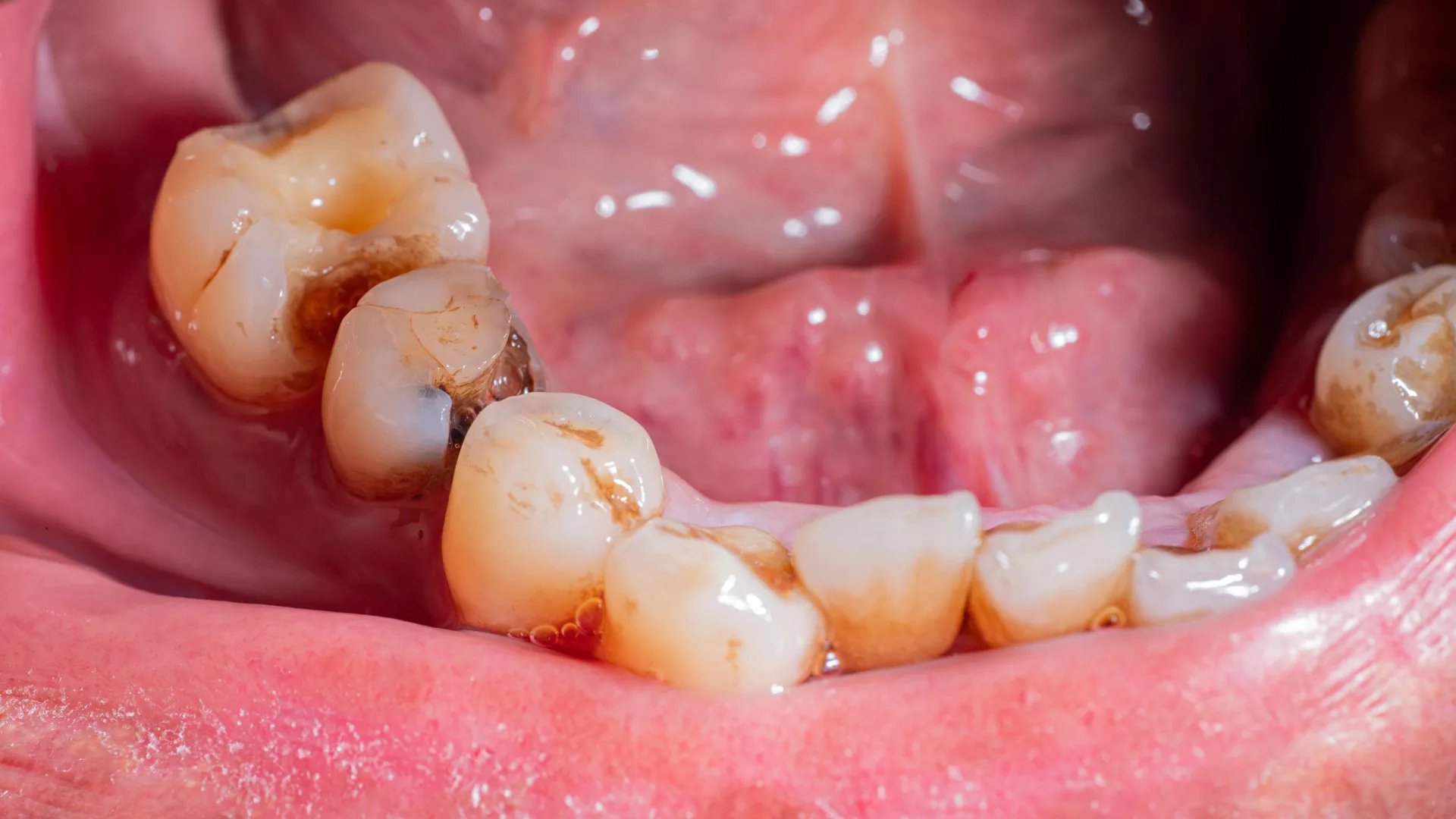
A groundbreaking clinical investigation spearheaded by researchers at King’s College London has unveiled compelling evidence suggesting that the successful resolution of specific dental infections through endodontic therapy can yield significant health benefits extending far beyond the confines of oral well-being. The study, which meticulously tracked a cohort of patients undergoing root canal treatment for apical periodontitis, indicates a potential for these interventions to not only curb systemic inflammation linked to cardiovascular ailments but also to foster improvements in glycemic control and lipid profiles. This research challenges a long-held, yet often underestimated, understanding of the intricate relationship between oral pathology and the body’s overall physiological state.
For an extended period, the medical and dental communities have acknowledged a theoretical connection between persistent oral infections and their capacity to influence systemic health. However, empirical data quantifying the specific benefits of eradicating such infections, particularly in relation to chronic disease markers, has remained relatively scarce. Apical periodontitis, a prevalent condition characterized by inflammation at the root apex of a tooth, creates a pathway for oral bacteria to enter the circulatory system. Once in the bloodstream, these microbial invaders can instigate a cascade of inflammatory responses throughout the body, a phenomenon increasingly recognized as a significant contributor to the pathogenesis of both cardiovascular disease and metabolic disorders like type 2 diabetes.
The King’s College London study sought to bridge this knowledge gap by systematically examining the biochemical alterations occurring in patients’ blood following successful root canal procedures. The research team recruited sixty-five individuals undergoing treatment at the Guy’s and St Thomas’ NHS Foundation Trust, subjecting them to a comprehensive two-year follow-up period. Throughout this observational phase, scientists employed sophisticated analytical techniques, including nuclear magnetic resonance (NMR) spectroscopy, to scrutinize a wide array of molecules circulating within the patients’ bloodstreams. This advanced methodology enabled a detailed understanding of how the body metabolizes essential substances such as glucose and lipids, and crucially, how it responds to the presence of infection and the subsequent therapeutic intervention.
The findings emerging from this rigorous analysis were notably encouraging. The researchers observed discernible positive shifts in several key metabolic and inflammatory markers among the participants post-treatment. Specifically, the successful elimination of the root canal infection appeared to correlate with a reduction in systemic inflammation, a critical factor implicated in the development and progression of atherosclerosis and other heart-related conditions. Furthermore, the study noted improvements in the management of blood sugar levels, suggesting that the resolution of oral sepsis can contribute to enhanced insulin sensitivity or a reduced inflammatory burden that interferes with glucose homeostasis. Equally significant were the observed positive changes in cholesterol and triglyceride levels, indicators that play a pivotal role in cardiovascular risk assessment. These improvements collectively underscore the profound impact that localized oral pathology can exert on systemic metabolic health.
A particularly insightful aspect of the research focused on identifying specific blood markers that could potentially serve as indicators of recovery and as early warning signals for future health risks following dental interventions. The study highlighted glucose, triglycerides, and the amino acid tryptophan as potential metabolic barometers. Elevated levels of glucose and triglycerides are well-established risk factors for cardiovascular disease and diabetes, while alterations in tryptophan metabolism have also been linked to inflammatory processes. The implication is that monitoring these markers could provide clinicians with valuable insights into a patient’s overall recovery trajectory and help in proactively managing their long-term health, moving beyond a purely tooth-centric approach to care.
Dr. Sadia Niazi, the lead author of the study and a Senior Clinical Lecturer in Endodontology at King’s College London, emphasized the broader implications of these findings, stating, "Our findings demonstrate that root canal treatment transcends mere oral health restoration; it may actively contribute to mitigating the risk of serious systemic health conditions such as diabetes and heart disease. This underscores, with considerable force, the inextricable link between the health of the mouth and the overall well-being of the individual." She further elaborated on the mechanisms involved, noting that chronic root canal infections can facilitate the ingress of bacteria into the bloodstream, thereby triggering inflammatory responses that elevate blood glucose and lipid levels, consequently increasing the susceptibility to severe health issues. Dr. Niazi stressed the imperative for dental professionals to acknowledge the far-reaching consequences of these infections and to champion prompt diagnosis and treatment.
The call for a more integrated approach to patient care was a prominent theme in the study’s conclusions. Dr. Niazi advocated for a paradigm shift towards collaborative care models, where dentists and general medical practitioners work in concert. This interdisciplinary collaboration, she proposed, would enable more effective monitoring of health risks through the analysis of these emerging blood markers and ultimately safeguard the holistic health of patients. The sentiment expressed is a clear call to transcend a narrow focus on individual teeth and to embrace a comprehensive, system-wide perspective in the delivery of dental care.
While the results of this study are highly promising, the researchers are mindful of the need for further investigation. Larger-scale, prospective studies are deemed essential to definitively validate these findings and to solidify the role of endodontic treatment in the prevention and management of systemic diseases. Nonetheless, this pioneering research offers a crucial new lens through which to view the influence of dental care on overall health trajectories and disease risk. The study, which received funding from the Royal College of Surgeons (RCS) England, has been published in the esteemed Journal of Translational Medicine, marking a significant contribution to the growing body of evidence supporting the critical importance of oral health as a cornerstone of general well-being. The implications extend to public health policy, patient education, and the very practice of dentistry, signaling a potential evolution towards a more holistic and preventive model of healthcare.
About the Author