
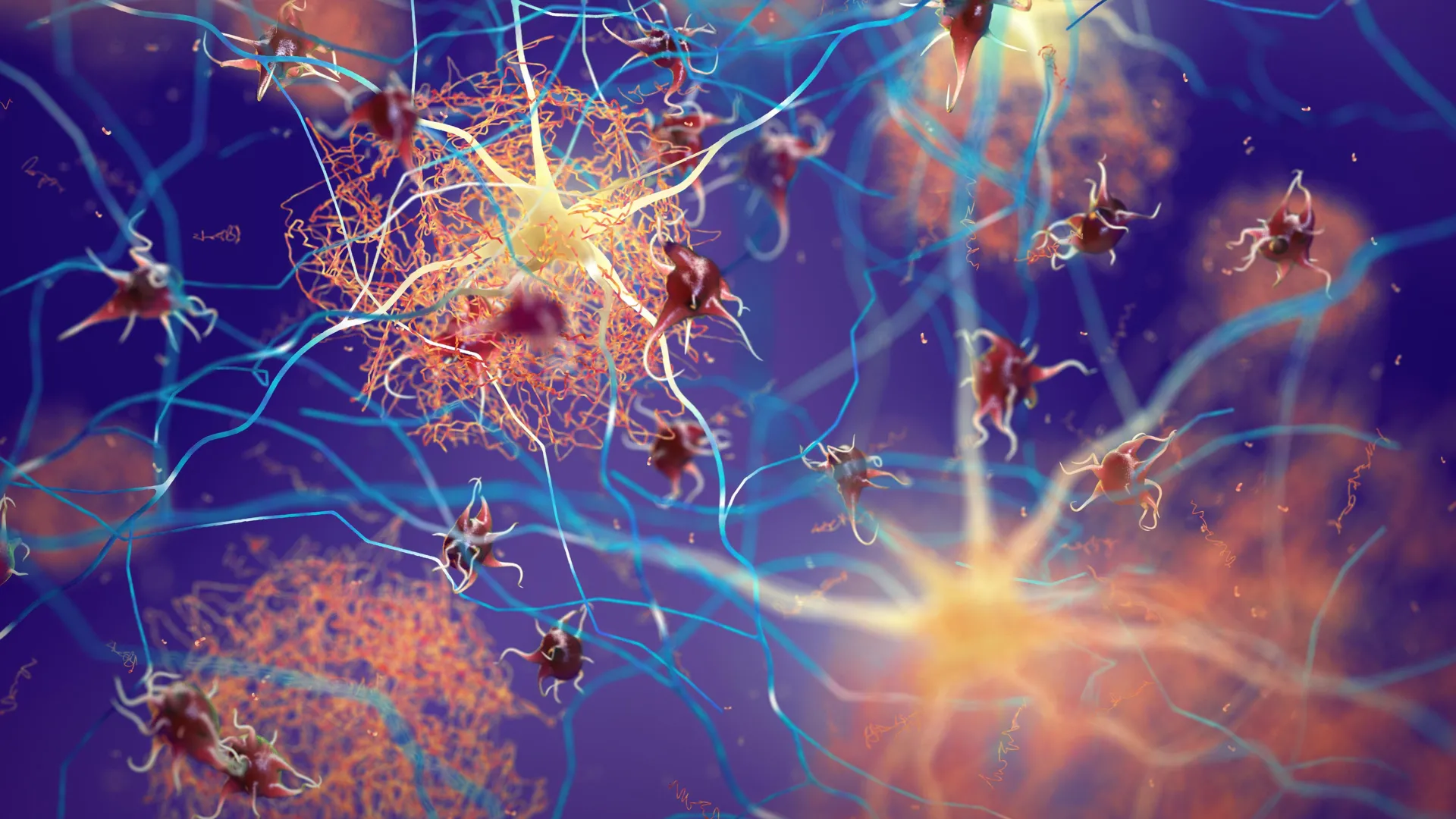
A groundbreaking collaborative effort between researchers at Sweden’s Karolinska Institutet and Japan’s RIKEN Center for Brain Science has illuminated two crucial cellular signaling mechanisms within the brain that play a significant role in modulating the clearance of amyloid-beta protein, a key pathological hallmark of Alzheimer’s disease. This pivotal discovery offers a promising new avenue for the development of therapeutic interventions that could potentially be more accessible and carry fewer adverse effects compared to current antibody-based treatments.
Alzheimer’s disease, a progressive neurodegenerative disorder and the most prevalent form of dementia, is characterized by the aberrant accumulation of amyloid-beta peptides, which aggregate into sticky plaques that disrupt neural function. Under normal physiological conditions, an enzyme known as neprilysin is instrumental in the enzymatic breakdown and removal of these amyloid-beta deposits. However, the efficacy of neprilysin diminishes with advancing age and worsens as the disease progresses, contributing to the escalating burden of amyloid pathology in the brain. The recent scientific investigation has pinpointed the intricate interplay between two specific somatostatin receptors, designated SST1 and SST4, in governing the operational levels of neprilysin, particularly within the hippocampus, a brain region critically involved in learning and memory consolidation. The comprehensive findings of this research endeavor have been formally documented and published in the esteemed Journal of Alzheimer’s Disease, signifying a substantial advancement in our understanding of neurodegenerative disease mechanisms.
The experimental methodologies employed by the research consortium involved meticulous investigations utilizing both genetically engineered mouse models exhibiting Alzheimer’s-like pathology and in vitro studies conducted on cultured brain cells. A consistent observation across these experimental platforms was the direct correlation between the absence of both SST1 and SST4 receptors and a marked reduction in neprilysin activity. This deficit in neprilysin consequently led to an increased deposition of amyloid-beta plaques and was associated with observable impairments in memory function within the affected animal subjects.
Further extending their investigations, the research team explored the therapeutic potential of a specifically designed compound engineered to activate these identified somatostatin receptors. When administered to mice displaying neuropathological changes consistent with Alzheimer’s disease, the targeted stimulation of SST1 and SST4 receptors resulted in a significant enhancement of neprilysin levels. This biochemical improvement translated into a tangible reduction in amyloid-beta accumulation within the brain and a concurrent amelioration of behavioral deficits. Crucially, this targeted therapeutic approach demonstrated a favorable safety profile, with no severe adverse side effects being reported during the study period.
"Our findings provide compelling evidence that the brain’s intrinsic defense mechanisms against amyloid-beta accumulation can be potentiated through the targeted activation of these specific receptors," stated Per Nilsson, an associate professor at the Department of Neurobiology, Care Sciences and Society at Karolinska Institutet. This assertion underscores the potential of harnessing endogenous cellular processes to combat the disease.
The current landscape of advanced therapeutic options for Alzheimer’s disease is largely dominated by treatments that utilize monoclonal antibodies. While these biological agents have demonstrated an ability to target and reduce amyloid plaque burden, their application is often constrained by prohibitively high costs and the potential for eliciting significant adverse reactions in a subset of patients, ranging from cerebral edema to microhemorrhages. The introduction of these side effects necessitates careful patient monitoring and can limit the long-term viability of such treatments.
"Our aspiration is to transition towards the development of small molecule therapeutics that possess the capability to effectively traverse the blood-brain barrier," explained Per Nilsson. "Should we succeed in this endeavor, our objective is to offer a treatment modality that is not only substantially more cost-effective but also free from the serious side effects associated with existing therapies." This strategic shift towards small molecule drugs promises a more accessible and potentially safer therapeutic paradigm.
The SST1 and SST4 receptors belong to a vast and evolutionarily conserved superfamily of transmembrane proteins known as G protein-coupled receptors (GPCRs). This class of receptors represents a highly attractive and well-established target for pharmacological intervention due to their diverse physiological roles and the extensive knowledge base regarding their structure and function. Furthermore, GPCRs are known to respond effectively to small molecule ligands, which can often be synthesized using established chemical processes, leading to more affordable manufacturing and formulation into orally administered medications, such as pills. This characteristic makes them ideal candidates for developing treatments that can be easily administered and widely distributed.
The collaborative nature of this significant research undertaking facilitated the pooling of expertise from various leading academic institutions. The project successfully integrated the scientific prowess of researchers from Karolinska Institutet in Sweden and the RIKEN Center for Brain Science in Japan, alongside contributions from several other international universities. The financial support essential for sustaining such an extensive and complex research initiative was generously provided by a consortium of esteemed funding bodies. These included the Swedish Research Council, the Hållsten Research Foundation, the Alzheimer’s Foundation, and the privately funded initiative "Innovative ways to fight Alzheimer’s disease — Leif Lundblad Family," as well as RIKEN itself. The researchers involved in this study have formally declared no conflicts of interest, ensuring the impartiality and scientific integrity of their published work. This multidisciplinary approach and robust funding underscore the global commitment to unraveling the complexities of Alzheimer’s disease and identifying viable therapeutic pathways.
About the Author












