As individuals navigate the landscape of later life, maintaining physical autonomy and a high quality of living becomes increasingly paramount. Central to this enduring independence is the robust health and capability of the lower body. The legs, serving as the primary actuators for movement and stability, are indispensable for performing a myriad of daily activities that many often take for granted. From simply rising from a chair to traversing uneven terrain, the strength and endurance of the muscles supporting the hips, knees, and ankles dictate one’s ability to engage confidently with their environment. While the overall decline in muscle mass, known as sarcopenia, is a natural part of aging, its progression is not inevitable and can be significantly mitigated through targeted physical activity. Understanding and actively assessing one’s lower body strength, therefore, emerges as a critical component of proactive health management for those over the age of 60.
The Foundational Importance of Leg Strength in Advanced Age
The musculature of the lower extremities comprises some of the largest and most powerful muscle groups in the human body, including the quadriceps, hamstrings, and gluteals. These muscles are not merely responsible for locomotion but play a multifaceted role in overall physiological well-being. Their strength is directly correlated with an individual’s capacity for functional movement, impacting everything from gait stability to the ability to recover from a loss of balance. A decline in this strength directly contributes to a higher risk of falls, a leading cause of injury and mortality among older adults. Beyond immediate physical tasks, strong legs also contribute to metabolic health, supporting efficient glucose utilization and maintaining bone density, thereby reducing the risk of osteoporosis. They act as natural shock absorbers, protecting joints during impact and movement, and are crucial for maintaining good posture, which can alleviate back pain and improve respiratory function. Consequently, nurturing and preserving lower body strength transcends simple fitness goals; it is a fundamental investment in sustained vitality and self-sufficiency.
The Squat Hold: A Simple Yet Profound Assessment
Amidst various methods to gauge physical prowess, the isometric squat hold stands out as an exceptionally accessible and insightful test of lower body strength and endurance. This exercise demands sustained muscular contraction in a partially flexed knee and hip position, mirroring the muscular demands encountered in everyday scenarios such as waiting in line, bending down, or maintaining a stable posture. Unlike dynamic movements that involve continuous contraction and relaxation, the squat hold emphasizes the ability of muscles to generate and maintain force over time, a critical component of functional resilience. It provides a direct snapshot of how effectively the quadriceps, glutes, and core muscles can work in concert to support body weight and maintain structural integrity against gravity. The duration for which an individual can hold this position with proper form offers a clear, quantifiable metric for assessing the current state of their lower body’s capacity.
Dissecting the Mechanics of the Squat Hold
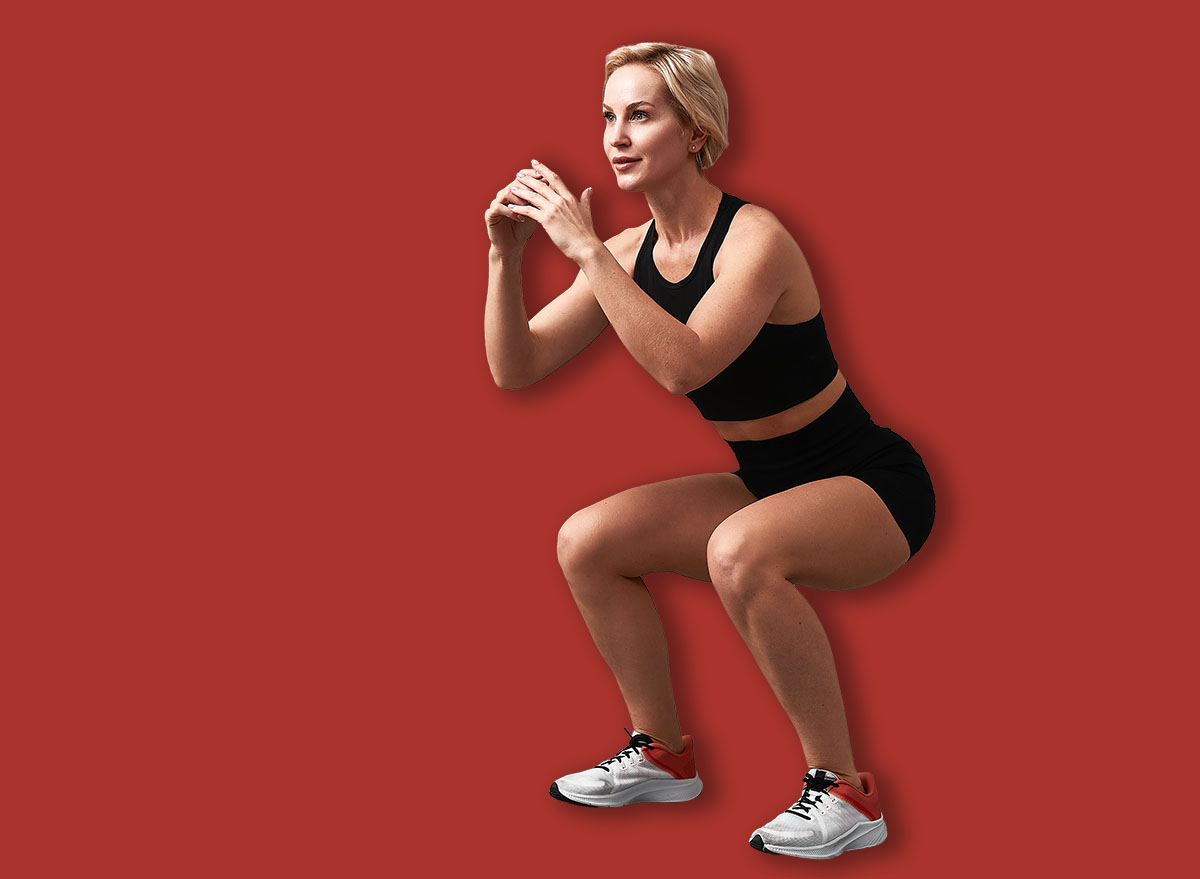
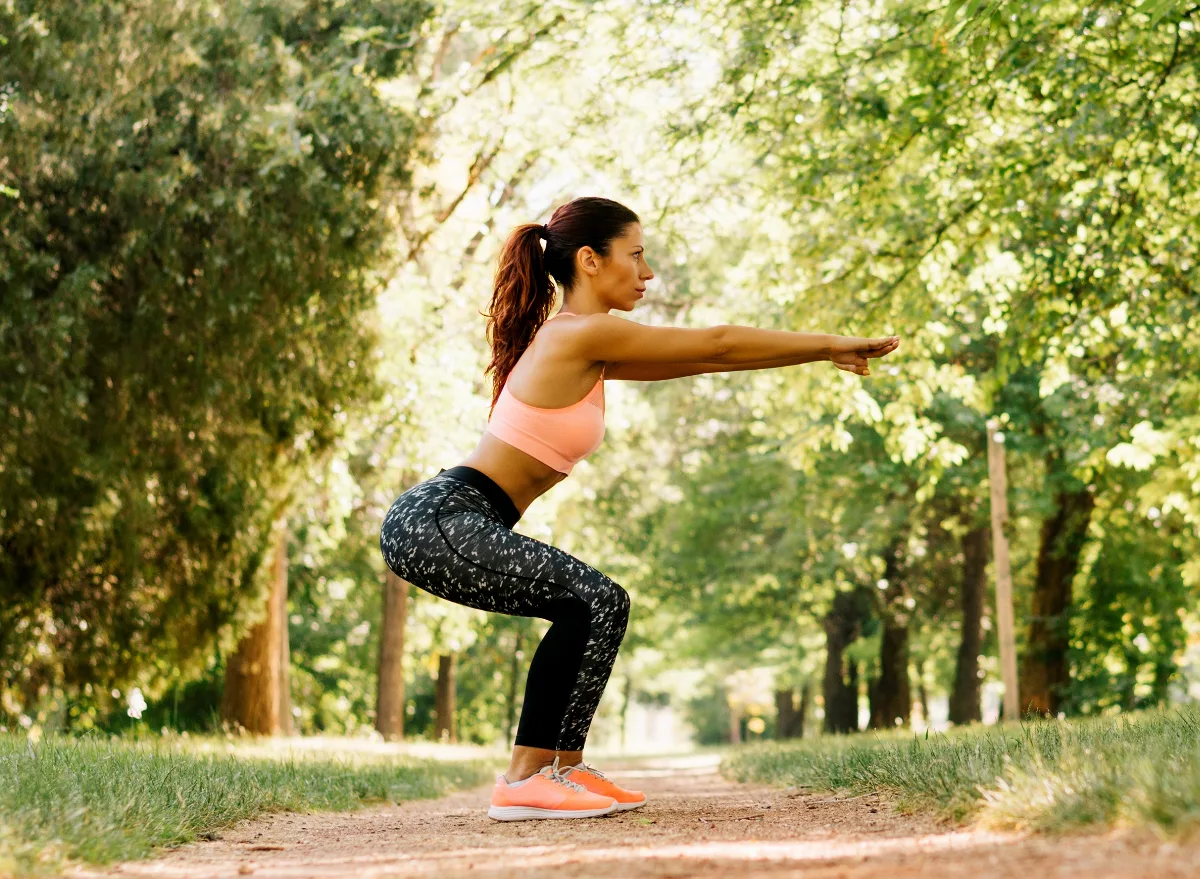
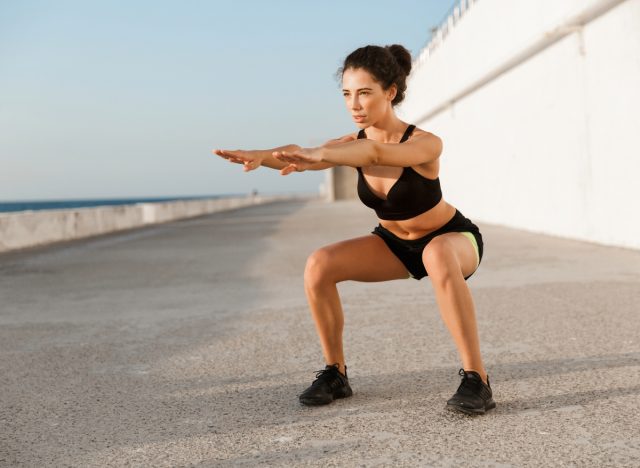
Executing a squat hold effectively requires not only muscular strength but also precise biomechanical alignment to prevent undue stress on joints. The primary objective is to sustain a stable, balanced posture where the hips descend as if sitting into an invisible chair, with the knees tracking in line with the toes and the chest remaining upright.
- Starting Position: Begin with feet positioned approximately shoulder-width apart, toes pointed slightly outward. This stance often facilitates a more natural hip hinge and knee tracking.
- Controlled Descent: Initiate the movement by pushing the hips backward, simultaneously bending the knees. The goal is to lower the body until the thighs are roughly parallel to the floor, or as deep as comfortable while maintaining good form. Imagine reaching for a seat behind you.
- Core Engagement: Throughout the descent and hold, actively engage the abdominal muscles. This stabilizes the torso, prevents the lower back from rounding, and helps maintain an erect posture, distributing the workload evenly across the core and lower body.
- Weight Distribution: Ensure body weight remains balanced through the mid-foot, avoiding excessive pressure on the toes or heels. The knees should track directly over the second and third toes, preventing them from caving inward or bowing outward.
- Holding Phase: Once the desired depth is reached, maintain this static position. Focus on steady, controlled breathing, and consciously keep the muscles of the thighs and glutes under continuous tension. The timer begins at this point.
- Key Form Cues: Avoid rounding the back, letting the knees collapse inward, or allowing the heels to lift off the floor. The gaze should be forward or slightly downward, maintaining a neutral neck position.
The isometric nature of the hold means muscles are contracting without changing length, which effectively builds muscular endurance and static strength, directly translating to improved stability in dynamic movements.
Interpreting Squat Hold Performance for Individuals Over 60
The duration an individual aged 60 or older can maintain a well-executed squat hold offers valuable insights into their lower body’s functional readiness. These benchmarks, while general, provide a useful framework for self-assessment and goal setting.
-
Under 30 Seconds: Foundational Strength Development Needed
- A hold of less than 30 seconds typically indicates that lower body strength and muscular endurance could significantly benefit from dedicated training. Individuals in this category might experience noticeable fatigue during prolonged standing, walking longer distances, or climbing multiple flights of stairs. They may also find everyday tasks like getting up from low seating challenging, highlighting a potential increased risk of balance issues and falls. This score suggests a need to prioritize consistent strength and endurance exercises.
-
30 to 60 Seconds: Adequate for Most Daily Demands
- Achieving a squat hold between 30 and 60 seconds demonstrates a respectable level of lower body capability. People in this range generally possess sufficient strength to navigate most routine daily activities without significant difficulty. While they might still feel some fatigue during extended physical efforts, their legs are generally robust enough to support independent living. This score suggests a good foundation but also room for improvement to enhance overall physical resilience and reduce the likelihood of age-related declines.
-
60 to 90 Seconds: Strong and Resilient
- A hold duration of 60 to 90 seconds signifies excellent lower body strength and endurance. Individuals at this level typically exhibit high confidence and efficiency in their movements, tackling challenging physical tasks with greater ease. Their muscles are well-conditioned, providing superior joint support and stability, which contributes positively to reducing fall risk and maintaining an active lifestyle. This performance indicates a proactive approach to physical health and a robust capacity for sustained physical activity.
-
Over 90 Seconds: Exceptional Lower Body Power and Stamina
- Holding a squat for more than 90 seconds is indicative of truly outstanding lower body strength, stability, and muscular endurance for someone over 60. This level of performance reflects well-developed quadriceps and glutes, coupled with a strong, stabilizing core. Individuals achieving this benchmark often possess a high degree of physical independence, are likely to enjoy various recreational activities, and demonstrate remarkable physical resilience. Their ability to maintain significant force output and joint control, even as fatigue mounts, positions them favorably for long-term health and a vibrant, active senior life.
It’s crucial to remember that these are general guidelines. Individual health status, previous activity levels, and specific goals should always be considered when interpreting results and planning any fitness regimen.
Strategies for Enhancing Lower Body Strength After 60
Improving lower body strength and endurance is an achievable goal at any age, and consistency is key. For those over 60, a strategic and progressive approach to exercise can yield substantial benefits, fostering greater independence and quality of life.
-
Progressive Resistance Training: The principle of progressive overload is fundamental. This means gradually increasing the challenge to your muscles over time.
- Bodyweight Progression: Start with bodyweight squats, focusing on perfect form. As strength improves, increase the duration of squat holds, the number of repetitions in dynamic squats, or the depth of the movement.
- External Resistance: Incorporate light dumbbells, resistance bands, or even household items (like water bottles) to add external load to squats and lunges.
- Varied Squat Holds:
- Wall Sit: A simpler isometric hold where the back is supported by a wall, allowing focus solely on leg endurance.
- Goblet Squat Hold: Holding a light weight (e.g., a kettlebell or dumbbell) against the chest adds anterior load, increasing core engagement and leg demand.
- Box Squat Hold: Squatting down to a box and holding just above it helps control depth and provides a tangible target.
- Banded Squat Hold: Placing a resistance band above the knees and actively pushing against it engages the glute medius, improving hip stability.
- Heels-Elevated Squat Hold: Placing small plates or a rolled towel under the heels can improve squat depth for those with ankle mobility limitations, allowing for better quad engagement.
-
Incorporate Compound Movements: Beyond squats, include other exercises that work multiple lower body muscle groups simultaneously.
- Lunges: Forward, reverse, or lateral lunges enhance balance and unilateral leg strength.
- Step-Ups: Using a sturdy box or stair, step-ups build quad and glute strength.
- Glute Bridges: Excellent for targeting the glutes and hamstrings, improving hip extension.
- Calf Raises: Essential for ankle stability and powerful propulsion during walking.
-
Prioritize Balance and Stability Training:
- Single-leg stands, tandem walks, and heel-to-toe walking can significantly improve proprioception and reduce fall risk, complementing strength gains.
-
Consistency and Frequency: Aim for at least two to three strength training sessions per week, allowing adequate rest between sessions for muscle recovery and growth. Short, consistent efforts are more effective than sporadic, intense workouts.
-
Nutrition for Muscle Health: Ensure sufficient protein intake to support muscle repair and synthesis. A balanced diet rich in fruits, vegetables, and whole grains provides the necessary micronutrients and energy for active living.
-
Listen to Your Body and Seek Professional Guidance: Always pay attention to pain signals. If new to exercise or managing chronic health conditions, consulting a physician before starting a new regimen is crucial. A certified personal trainer specializing in senior fitness can provide tailored programs and ensure proper form, minimizing injury risk and maximizing effectiveness.
In conclusion, the ability to execute and sustain a squat hold with proper form offers a profound and practical metric for evaluating lower body strength and endurance in individuals over 60. This simple assessment tool not only highlights current physical capabilities but also serves as a powerful motivator for engaging in the kind of consistent, targeted training that underpins enduring mobility, independence, and an enriched quality of life throughout the golden years. Investing in the strength of one’s lower body is a strategic step towards a more vibrant and self-reliant future.
About the Author