For countless women navigating the physiological shifts of midlife, concerns about body composition, particularly around the hips and thighs, frequently arise. A common area of focus is the natural indentation known as "hip dips," which, while a normal anatomical feature, can become more prominent or accumulate surrounding adipose tissue with age. Amidst a sea of conflicting information, particularly from social media, understanding effective, science-backed strategies for addressing these concerns is paramount. Drawing upon extensive experience, a seasoned fitness professional with over 35 years in the field and a director at TRAINFITNESS emphasizes a paradigm shift from conventional floor-based routines to more dynamic, standing exercises as a superior method for women over 45 seeking to enhance lower body strength and definition.
These natural contours, scientifically termed trochanteric depressions, are inherent to skeletal structure, marking the point where the top of the femur (thigh bone) meets the pelvis. Their visibility varies significantly among individuals, influenced by factors such as bone structure, muscle mass in the gluteal region (specifically the gluteus medius and minimus), and the distribution of subcutaneous fat. It is crucial to recognize that these are not a flaw or an indicator of fitness level but rather a natural variation in human anatomy. The perception of "hip dip fat" typically refers to the accumulation of adipose tissue in the surrounding areas, which may become more noticeable as individuals mature.
The journey through perimenopause and menopause introduces a cascade of hormonal adjustments that profoundly influence a woman’s body. A significant decline in estrogen levels, a hallmark of this life stage, plays a pivotal role in altering fat storage patterns. Whereas pre-menopausal fat distribution often favored the hips and thighs in a "pear" shape, diminishing estrogen often shifts this towards the abdominal area, hips, and lower body in a more "apple-like" pattern. Furthermore, fat cells in these regions can become metabolically more resistant to breakdown, making targeted fat reduction challenging. Compounding these changes is a natural deceleration of metabolic rate, with studies indicating a decrease of approximately 2-8% per decade after the age of 40. This means the body burns fewer calories at rest, necessitating a more strategic approach to both diet and exercise to maintain or alter body composition.
One of the most persistent misconceptions perpetuated in fitness culture is the idea of "spot reduction"—the belief that one can specifically target fat loss from a particular body area through localized exercises. This notion is fundamentally flawed from a physiological standpoint. The body dictates where it sheds fat first, a process largely governed by genetics and hormonal influences, not by performing endless repetitions of exercises focusing on a single area. Consequently, dedicating extensive effort to isolated movements like side leg lifts or hip abductions, while beneficial for muscle strengthening, will not directly burn the fat layer covering the hip region. Fat loss occurs systemically through a sustained caloric deficit, and the body will draw energy from fat stores across the entire body according to its inherent programming.
Another common pitfall observed in fitness regimens, especially among women over 45, is an over-reliance on cardiovascular exercise as the primary tool for body transformation. While aerobic activities are undeniably vital for cardiovascular health, endurance, and calorie expenditure during the activity itself, their impact on resting metabolism and body sculpting is limited. A critical factor often overlooked is sarcopenia, the age-related loss of muscle mass, which can begin as early as age 30, with an estimated decline of 3-8% per decade. Less muscle tissue directly translates to a slower resting metabolic rate, meaning fewer calories are burned throughout the day, even at rest. This underscores the indispensable role of resistance training, not just for building muscle but for preserving it, thereby maintaining a more active metabolism and promoting a more favorable body composition.
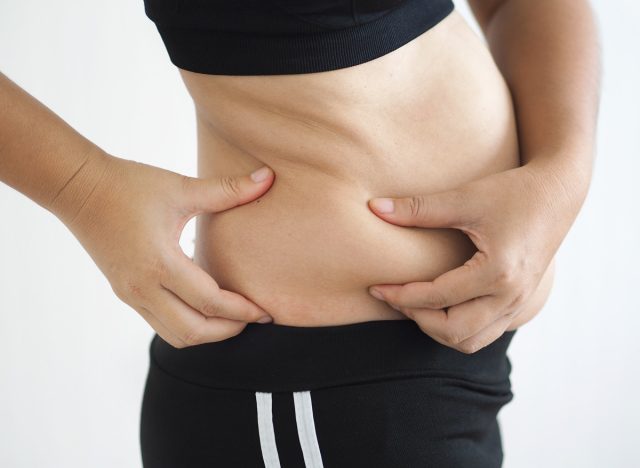
Finally, many traditional hip-focused exercises performed lying down often fall short in delivering sufficient resistance and comprehensive muscle engagement to stimulate meaningful physiological change. While these movements might create a sensation of working the muscles, they frequently lack the intensity required to build significant muscle mass or expend a substantial number of calories. The absence of gravity’s full resistance and the limited recruitment of stabilizing muscles reduce their overall effectiveness compared to exercises performed against gravity in an upright position.
The efficacy of standing exercises for lower body development, particularly for women in midlife, stems from their inherent ability to engage the entire kinetic chain. Unlike isolated floor exercises that often target a single limb, standing movements demand comprehensive body activation. When performing exercises upright, the core musculature is continuously engaged to stabilize the torso, preventing unwanted movement and protecting the spine. Simultaneously, the supporting leg bears and balances the body’s weight, actively recruiting smaller stabilizing muscles around the ankle, knee, and hip. The working leg then moves against the full force of gravity, significantly increasing the muscular challenge. This multi-joint, multi-muscle recruitment translates directly into a higher caloric expenditure during the workout and a greater stimulus for muscle growth, fostering an improved body composition.
Beyond caloric burn and muscle building, standing exercises offer profound benefits for functional fitness. Our daily lives are spent in upright positions—walking, climbing stairs, lifting objects, and maintaining balance. Training in standing postures directly mimics and strengthens these everyday movements, leading to tangible improvements in mobility, coordination, and overall physical confidence. For women navigating age-related changes, enhanced balance and stability are critical for preventing falls and maintaining independence. Moreover, the impact of weight-bearing exercises, a category dominated by standing movements, is crucial for bone health. As bone density naturally declines after 45, exercises that load the skeletal system send vital signals to bones to remain strong, offering a powerful defense against osteoporosis and related fractures.

Standing routines also present distinct advantages for joint health. The repetitive act of getting down to and up from the floor can place undue stress on the knees, hips, and lower back, especially for individuals with pre-existing joint conditions or mobility limitations. Standing exercises circumvent this issue, allowing for intense and effective training without the added strain of floor transitions. Furthermore, standing movements offer superior opportunities for progressive overload. The ability to easily add external resistance (like dumbbells or resistance bands), modify stance width, increase the range of motion, or adjust tempo provides a versatile framework for continuous challenge and adaptation, ensuring that the body consistently receives the stimulus needed for ongoing improvement. Floor exercises, by contrast, often reach a plateau in complexity more quickly.
For an efficient and impactful lower body workout, particularly targeting the hip and thigh region, a circuit-based standing routine can be highly effective. The following exercises, performed consecutively with minimal rest, maximize both muscle engagement and cardiovascular benefits:
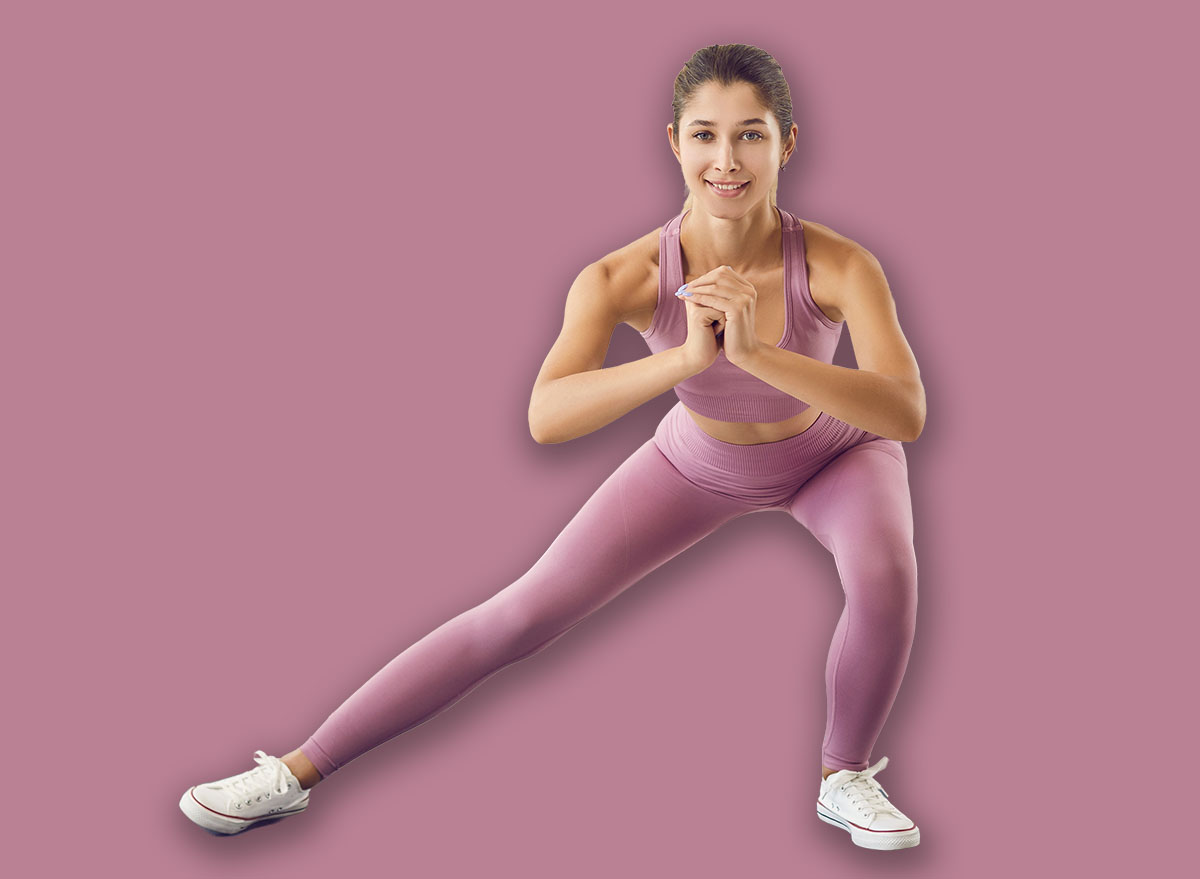
- Side Step Squats: This dynamic movement targets the glutes, outer thighs (abductors), and core. The lateral component specifically activates the muscles responsible for hip stability and power. To perform, stand with feet hip-width apart. Step one foot out to the side, lowering into a squat while keeping the chest lifted and hips back. Return to the starting position and alternate sides. Focus on controlled movement and maintaining core engagement throughout.
- Standing Side Leg Raises with Pulse: This exercise directly isolates the hip abductors, crucial for developing the outer thigh and gluteus medius. Stand tall, holding onto a support if needed for balance. Slowly lift one leg directly out to the side, keeping the toe pointed forward. At the peak of the movement, add a small, controlled "pulse" for added tension before lowering the leg with control. Ensure the movement originates from the hip, not just leaning the torso.
- Curtsy Lunges: Offering a unique angle of attack, curtsy lunges work the glutes, inner thighs (adductors), and outer thighs (abductors) simultaneously, while significantly challenging balance. Begin standing with feet hip-width apart. Step one leg diagonally behind the other, as if performing a curtsy, lowering the hips until both knees are bent at approximately 90 degrees. Push off the back foot to return to standing. This cross-body movement enhances hip mobility and strength.
- Lateral Step Ups: This compound exercise combines strength and cardio, engaging the glutes, quadriceps, hamstrings, and core. It also directly translates to improved functional fitness for navigating stairs and uneven terrain. Using a sturdy step or box, stand beside it. Step sideways onto the box with one foot, driving through the heel to lift the body, then bring the other foot up. Control the descent. Focus on a strong, stable base and powerful, yet controlled, upward movement.
- Standing Hip Circles: This exercise promotes hip joint mobility and strengthens the surrounding musculature, including hip flexors, glutes, abductors, and adductors, all of which tend to stiffen with age. Stand tall, again using support for balance if necessary. Lift one knee towards the chest, then slowly rotate the leg outwards, downwards, and then inwards in a circular motion. Reverse the direction for subsequent repetitions. Emphasize a smooth, controlled range of motion rather than speed.
To structure this routine effectively, perform each exercise for a set duration, such as 45-60 seconds per side (where applicable) or a fixed number of repetitions, transitioning immediately to the next exercise without rest. A total work time of approximately 7 to 10 minutes can be achieved. Begin with a brief warm-up: 30-60 seconds of marching in place, gentle arm circles, and a few controlled hip rotations to increase blood flow and prepare muscles. After completing all five exercises, engage in a short cool-down, such as a 30-60 second walk, to gradually lower the heart rate. For optimal outcomes, aim to incorporate this routine 4-5 times per week, allowing for adequate rest and recovery. This regimen can serve as a standalone workout, an energizing finisher after a walk, or a targeted segment on upper body training days. After approximately four weeks of consistent engagement, consider progressing the routine by adding light ankle weights or small dumbbells, increasing the range of motion, slowing down movements to enhance time under tension, or adding an extra round of the entire circuit.
Regarding expected outcomes, it is vital to set realistic expectations. In the initial two to four weeks, visible changes may be subtle or non-existent, but internal adaptations will be profound. Individuals will likely experience improved balance, increased energy levels, and a noticeable ease in performing the exercises, signaling foundational muscle strengthening and enhanced neuromuscular coordination. After about a month, some may observe a more comfortable fit in clothing around the hips and thighs, a feeling of increased firmness in the area, and greater ease with daily activities like climbing stairs or entering and exiting a vehicle. Posture may also subtly improve as core and gluteal muscles strengthen.
By the two-month mark, the cumulative effects of consistent effort may become externally apparent, with friends or family potentially noticing changes in lower body definition. Hips and thighs will likely appear more toned, and with concurrent mindful nutrition, a reduction in the fat surrounding the hip dips can be anticipated. After three months, significant improvements in muscle tone and strength should be evident. Legs will feel considerably stronger, balance will be markedly enhanced, and the developed musculature around the hips can contribute to a smoother, more defined silhouette, making the natural hip dips less pronounced. It is critical to reiterate that hip dips are a function of bone structure; the goal of such a routine is not to eliminate a natural anatomical feature but to optimize muscle development and reduce adipose tissue for a healthier, more sculpted appearance. Results are highly individualized, but the overarching benefit of increased strength, improved health, and greater functional capacity represents a true victory.
No discussion of body composition change, particularly fat reduction, is complete without underscoring the indispensable role of nutrition. Even the most diligently executed exercise routine cannot counteract the effects of an imbalanced diet. The described 7-minute workout, while effective for muscle stimulation, typically burns only 50-70 calories—equivalent to a small banana. Therefore, to achieve fat loss around the hips or any other body area, a sustained caloric deficit is non-negotiable. This entails consistently consuming slightly fewer calories than the body expends daily. A moderate deficit of 300-500 calories per day is generally recommended for safe and sustainable fat loss, typically translating to a reduction of 0.5-1 pound per week.
For women over 45, protein intake becomes particularly critical. Aiming for approximately 0.8-1 gram of protein per pound of body weight daily supports the maintenance and even growth of muscle mass, counteracting age-related sarcopenia and preserving a higher metabolic rate. Protein also significantly contributes to satiety, helping manage hunger and making a caloric deficit more manageable. Excellent sources include lean meats, fish, eggs, Greek yogurt, cottage cheese, and various legumes. Conversely, minimizing processed foods and added sugars is paramount. These items often provide a high caloric load with minimal nutritional value and fail to promote satiety, frequently leading to overconsumption. A focus on whole, unprocessed foods—abundant vegetables, fruits, whole grains, lean proteins, and healthy fats—provides superior nutrient density, supports stable energy levels, and facilitates fat loss.
Adequate hydration is another often-underestimated component. Thirst signals can sometimes be mistaken for hunger, leading to unnecessary calorie intake. Consuming approximately 2 liters of water daily, or more with increased exercise or warmer climates, supports metabolic processes and satiety. Crucially, avoid extreme caloric restriction, as this can trigger a protective metabolic slowdown, accelerate muscle loss alongside fat, and result in fatigue and irritability, rendering the diet unsustainable in the long term. A consistent, moderate deficit is far more effective than an aggressive, short-lived one. Finally, it is important to remember that fat loss is rarely linear. Fluctuations in weight and body composition are normal. The key to success lies in consistent adherence to both the exercise regimen and nutritional principles over months, focusing on the long-term trend rather than daily or weekly variations. The synergy between purposeful movement and mindful eating is the most potent formula for achieving lasting improvements in health, strength, and body composition in midlife and beyond.
About the Author