A comprehensive investigation spearheaded by researchers at Mass General Brigham has illuminated a potential, albeit preliminary, link between high-dose vitamin D3 supplementation and the reduction of lingering symptoms following a COVID-19 infection, a phenomenon now widely recognized as "long COVID." While the extensive randomized controlled trial, dubbed the VIVID Trial, did not yield evidence that the vitamin demonstrably curbed the acute severity of COVID-19 or reduced hospitalization rates, its findings suggest a promising avenue for further exploration into managing the protracted aftermath of the virus. The detailed outcomes of this significant study have been formally presented in a recent publication within The Journal of Nutrition.
The scientific community has evinced considerable interest in the potential therapeutic applications of vitamin D, particularly in the context of viral infections like COVID-19, owing to its well-established role in immune system modulation. However, existing research on vitamin D’s efficacy against COVID-19 has been characterized by a degree of ambiguity and conflicting results, necessitating rigorous, large-scale trials to provide clearer insights. The VIVID Trial was conceived precisely to address this knowledge gap, systematically examining whether administering substantial quantities of vitamin D3 could positively influence the health trajectories of individuals recently diagnosed with COVID-19 and their close household contacts.
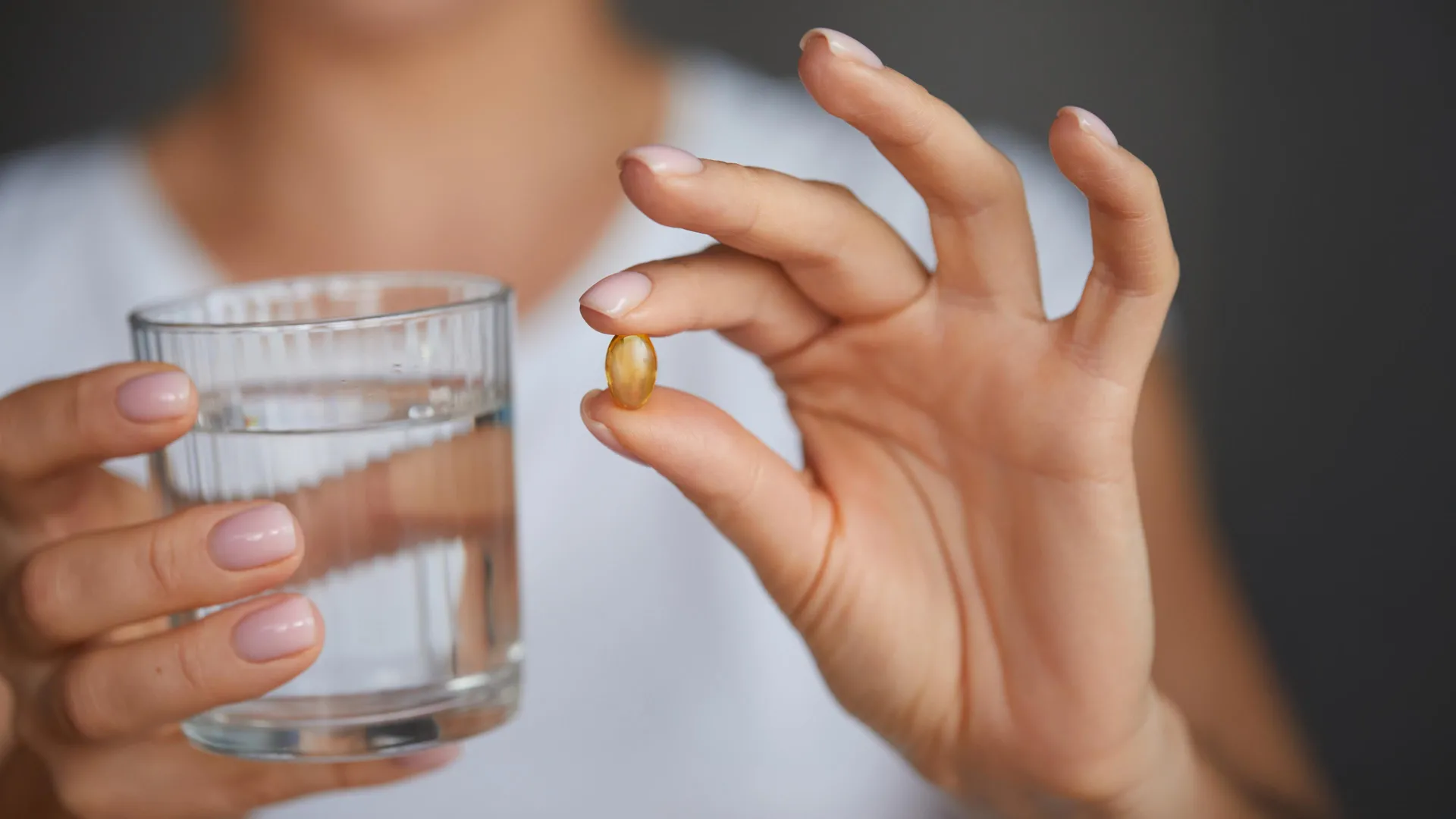
The VIVID Trial’s design encompassed a diverse participant pool, drawing individuals from both the United States and Mongolia. In total, 1,747 adults who had recently received a positive COVID-19 diagnosis, alongside 277 individuals residing with them who served as household contacts, were enrolled. Participants were then randomly allocated to one of two groups: one receiving a daily regimen of vitamin D3, and the other a placebo, for a duration of four weeks. The specific dosage protocol for the vitamin D arm involved an initial high-intensity phase of 9,600 International Units (IU) per day for the first two days, followed by a sustained maintenance dose of 3,200 IU per day for the remainder of the four-week period. The temporal execution of the trial varied slightly by region, with the U.S. cohort participating from December 2020 through September 2022, and the Mongolian cohort from September 2021 to April 2022. A key element of the study’s methodology was the timing of intervention, with participants generally commencing their assigned vitamin D or placebo regimen approximately three days after their confirmed COVID-19 diagnosis.
To ensure the robustness and validity of the study’s findings, meticulous attention was paid to the balanced distribution of potential confounding variables across the treatment and placebo groups. Led by senior author JoAnn Manson, MD, DrPH, from the Department of Medicine at Mass General Brigham, alongside lead authors Davaasambuu Ganmaa and Kaitlyn Cook, the research team employed sophisticated statistical techniques. These included stratified randomization and the application of statistical weighting to equalize critical factors known to influence COVID-19 outcomes. Such factors encompassed participant age, sex, body mass index (BMI), racial and ethnic background, and current COVID-19 vaccination status, thereby minimizing the likelihood that observed differences could be attributed to these inherent characteristics rather than the intervention itself. This rigorous approach was designed to create comparable study arms, allowing for a more accurate assessment of vitamin D’s specific effects.
The primary objectives of the VIVID Trial initially focused on the acute phase of COVID-19. Over the four-week intervention period, the researchers meticulously analyzed data pertaining to healthcare utilization and mortality. The results indicated no statistically significant or clinically meaningful divergence between the vitamin D and placebo groups concerning hospital admissions, outpatient clinic visits (whether in-person or virtual), or emergency department consultations. Furthermore, subjective assessments of symptom severity during the acute infection phase also revealed no substantial disparities between the two groups. Similarly, the study found no evidence to suggest that high-dose vitamin D supplementation offered any protective benefit in preventing household contacts from contracting the virus, indicating it did not significantly impact transmission dynamics within these close-knit environments.
However, a particularly intriguing observation emerged when the researchers delved deeper into the data, specifically examining participants who adhered diligently to their assigned vitamin D regimen. This subgroup analysis revealed a potentially significant signal related to the mitigation of long COVID symptoms. Individuals in this compliant vitamin D group reported a marginally lower incidence of persistent symptoms eight weeks post-infection when contrasted with their counterparts in the placebo group. Specifically, approximately 21% of participants consistently taking vitamin D reported experiencing at least one lingering symptom, compared to about 25% in the placebo group. While this difference approached statistical significance, it warrants further investigation in larger, more targeted studies to confirm its robustness.
Dr. Manson emphasized the profound and often debilitating impact of long COVID, a complex condition that can manifest with a wide array of symptoms including debilitating fatigue, respiratory distress, cognitive impairments often referred to as "brain fog," and other neurological challenges, significantly affecting individuals’ quality of life. "There’s been tremendous interest in whether vitamin D supplements can be of benefit in COVID, and this is one of the largest and most rigorous randomized trials on the subject," stated Dr. Manson. "While we didn’t find that high-dose vitamin D reduced COVID severity or hospitalizations, we observed a promising signal for long COVID that merits additional research." This sentiment underscores the study’s dual findings: a lack of effect on acute illness severity, coupled with a potentially valuable lead regarding long-term recovery. The research team expressed optimism that future, larger-scale investigations could further elucidate whether sustained vitamin D supplementation might indeed play a role in diminishing the risk and severity of long COVID.
The VIVID Trial involved a substantial collaborative effort, with a broad range of authors contributing to its success. Beyond Dr. Manson and Dr. Ganmaa, key contributors from Mass General Brigham included Allison Clar, Michael Rueschman, Aditi Hazra, Howard D. Sesso, Valerie E. Stone, Patricia Copeland, and Georgina Friedenberg. The research was further enriched by the contributions of Kaitlyn Cook, Polyna Khudyakov, Dorjbal Enkhjargal, Tsolmon Bilegtsaikhan, Kenneth H. Mayer, Raji Balasubramanian, Douglas C. Smith, Quanhong Lei, Todd Lee, Emily G. McDonald, Tserenkhuu Enkhtsetseg, Erdenebaatar Sumiya, Yansanjav Narankhuu, Myagmarsuren Erdenetuya, Dalkh Tserendagva, Rikard Landberg, Niclas Roxhed, and Susanne Rautiainen.
Regarding disclosures, Rikard Landberg holds a notable position as a founder and shareholder of Capitainer AB, a company involved in the commercialization of the specific blood collection devices utilized in this study. All other listed authors reported no conflicts of interest that could potentially influence the findings or interpretation of the research. The study’s financial backing was provided through anonymous foundation support and philanthropic contributions from Jon Sabes of Minneapolis, Minnesota. The research team also acknowledged the in-kind support from the Tishcon Corporation, which generously donated the vitamin D and placebo study capsules, as well as support from Takeda and the provision of Capitainer cards. It is noteworthy that the authors did not report securing a specific research grant from any publicly funded, commercial, or non-profit funding agency for this particular investigation.
About the Author