
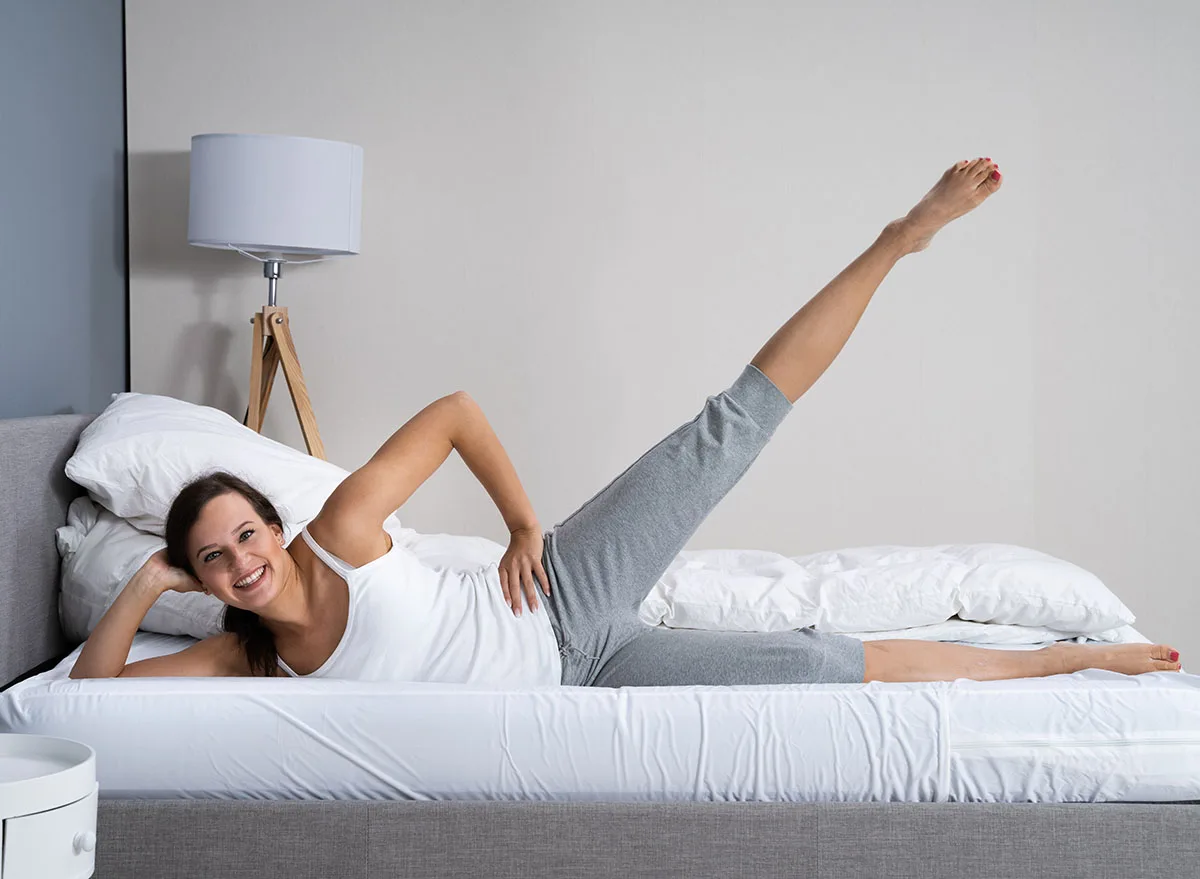
Maintaining robust core strength becomes an increasingly vital component of overall health and functional independence as individuals progress into their later decades. Beyond the superficial aesthetics, a powerful and resilient trunk serves as the bedrock for balance, posture, and mobility, directly influencing the capacity to perform daily activities with ease and confidence. While age-related physiological shifts can present challenges to physical fitness, expert insights reveal that strategic, accessible exercise interventions can significantly counteract these declines, fostering exceptional core resilience well beyond the age of 60.
The Foundational Role of Core Strength in Later Life
The core musculature is not merely a collection of abdominal muscles; it encompasses a complex network of muscles, including the transverse abdominis, obliques, pelvic floor, diaphragm, and various spinal extensors, all working synergistically to stabilize the spine and pelvis. This intricate system acts as the body’s central powerhouse, providing stability for movement in the limbs, facilitating efficient force transfer, and protecting the delicate structures of the spinal column. For older adults, the integrity of this core system takes on magnified importance, directly correlating with the ability to maintain equilibrium, avoid falls, and sustain an upright posture.
Dr. Tom Walters, a distinguished Board-Certified Orthopedic Physical Therapist, Certified Strength and Conditioning Specialist, and acclaimed author of "Rehab Science: How to Overcome Pain and Heal from Injury," underscores the critical nature of this connection. He elaborates on the physiological processes that contribute to a decline in core strength as years accumulate. "The primary drivers behind diminishing core strength with advancing age are sarcopenia, decreased levels of physical activity, and alterations in neuromuscular coordination," Dr. Walters explains. Sarcopenia, a progressive and generalized skeletal muscle disorder, is characterized by an accelerated loss of muscle mass and strength, typically commencing in midlife and becoming more pronounced after age 60. Concurrently, a reduction in habitual movement patterns often accompanies aging, further depriving trunk muscles of the mechanical loading essential for their maintenance and development. This insidious cycle can profoundly impact an individual’s physical capabilities.
From a practical perspective, a weakened or less enduring core musculature can manifest in various detrimental ways. It compromises the body’s natural stability system, making even minor disruptions to balance more challenging to correct. This diminished capacity for postural control significantly elevates the risk of falls, a leading cause of injury and disability among older adults. Furthermore, Dr. Walters points out that "insufficient strength or stamina in the trunk muscles can exacerbate spinal flexion, leading to a noticeable forward-leaning posture, particularly during prolonged periods of standing or walking." This kyphotic posture not only impacts appearance but also strains the spine, restricts lung capacity, and can contribute to chronic pain.
Crucially, these age-related changes are not an immutable destiny. Contemporary research, as cited by Dr. Walters, consistently demonstrates the remarkable plasticity of trunk muscles, indicating their sustained responsiveness to strength-training regimens, even within the demographic of older adults. This scientific evidence offers a powerful message of empowerment, suggesting that proactive engagement in targeted exercises can effectively mitigate and even reverse some aspects of age-related decline.
The Unexpected Advantage of Bed-Based Exercises
While traditional exercise often conjures images of gyms or specialized equipment, an often-overlooked yet profoundly effective avenue for core development lies within the comfort and convenience of one’s own bed. This approach addresses several common barriers that frequently deter older adults from engaging in crucial physical activity.
"Many older individuals find floor-based exercises prohibitive due to existing joint discomfort, limitations in overall mobility, or the sheer difficulty of transitioning down to and subsequently rising from the floor," Dr. Walters elucidates. By shifting the exercise environment to a mattress, these significant hurdles are effectively removed, making essential core work accessible to a much broader population. This accessibility fosters greater consistency, which is paramount for achieving and maintaining physical benefits.
Beyond mere convenience, bed-based exercises offer unique biomechanical advantages. Dr. Walters highlights that "from a biomechanical standpoint, these exercises still impose a significant challenge on the core because they necessitate the trunk’s active stabilization of the spine and pelvis against the force of gravity." The inherent compliance and slight give of a mattress can subtly alter the muscular recruitment patterns, requiring greater stabilization from the intrinsic core muscles to maintain balance and control throughout movements. Even seemingly subtle actions, such as elevating a limb or sustaining a steady trunk while the extremities move, are sufficient to elicit meaningful activation of the abdominal and spinal musculature. This means that a seemingly gentle exercise can still be profoundly effective in building strength and endurance.
Three Pillars of Bedside Core Fortification
Dr. Walters recommends three specific exercises that, when mastered, indicate a superior level of core strength in individuals over 60, offering a practical benchmark for functional fitness. These movements are designed to target different aspects of core stability and can be seamlessly integrated into a daily routine.
-
The Supine Dead Bug Hold: Cultivating Deep Abdominal Control
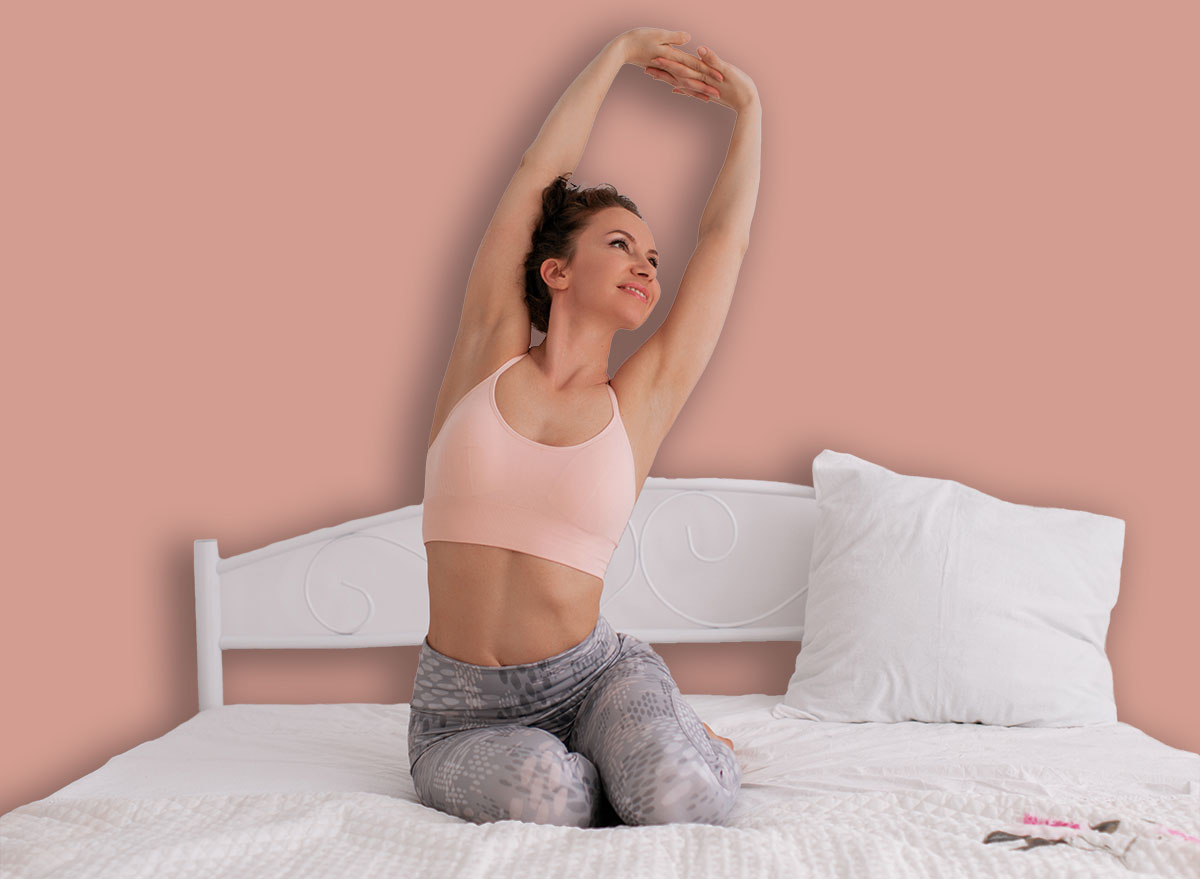
The Supine Dead Bug Hold is an exemplary exercise for isolating and strengthening the deep abdominal muscles, particularly the transverse abdominis, which acts like a natural corset, providing essential spinal stability. To perform this exercise, an individual lies flat on their back on the mattress. The hips and knees are bent, forming approximately a 90-degree angle, with the feet lifted off the bed. The crucial element is to actively press the lower back into the mattress, maintaining this engagement throughout the hold. This posterior pelvic tilt ensures that the deep core muscles are properly engaged and prevents overarching of the lumbar spine.
Dr. Walters emphasizes the multifaceted benefits of this seemingly simple posture: "This exercise robustly engages the deep abdominal muscles, especially the transverse abdominis, effectively training the core to stabilize the trunk while the limbs are in motion. Furthermore, it inherently mimics the precise coordination required for everyday activities such as walking and various other functional movements." The act of holding the limbs aloft necessitates a constant, subtle engagement of the core to prevent the lower back from arching, thereby building isometric strength and proprioceptive awareness. To progress, individuals can slowly extend one arm and the opposite leg simultaneously, maintaining the lower back’s contact with the mattress, then returning to the starting position before switching sides. The "hold" aspect focuses on sustained stability, making it an excellent diagnostic and strengthening tool.
-
The Glute Bridge Isometric: Activating the Posterior Powerhouse
The Glute Bridge Isometric is a powerful exercise for the posterior chain, a critical group of muscles running along the back of the body, including the glutes and spinal extensors. These muscles are fundamental for hip extension, which is vital for walking, climbing stairs, and standing up from a seated position. To execute this movement, the individual lies flat on their back with knees bent and feet flat on the mattress, hip-width apart. From this position, the hips are lifted off the bed until the body forms a straight, diagonal line from the knees to the shoulders. The "isometric" aspect signifies holding this elevated position for a sustained period, rather than performing repetitive repetitions.
"This exercise effectively activates the entire posterior chain, encompassing the powerful gluteal muscles and the spinal extensors, which are vital for maintaining an upright posture," Dr. Walters explains. He further notes that it "significantly challenges the trunk’s ability to stabilize the pelvis, which is fundamental for supporting optimal posture and efficient walking mechanics." By holding the bridge, the glutes and hamstrings work in concert to elevate the hips, while the core muscles engage to prevent the pelvis from tilting or swaying. This simultaneous activation strengthens the synergistic relationship between the lower body and the core, translating directly into improved stability and power for locomotion. Common errors include over-arching the back or letting the hips sag, both of which indicate insufficient core or glute engagement. Focusing on a straight line and squeezing the glutes at the top of the movement helps maximize its effectiveness.
-
The Side-Lying Plank: Enhancing Lateral Trunk Stability
The Side-Lying Plank is an indispensable exercise that often addresses a plane of movement neglected in many core routines: lateral stability. This exercise specifically targets the oblique muscles and other lateral trunk stabilizers, which are crucial for resisting rotational forces and maintaining balance during side-to-side movements. To begin, the individual lies on their side on the mattress with knees bent. The body is supported by one forearm, positioned directly under the shoulder, while the hips are gently lifted off the mattress, forming a relatively straight line from the head through the hips to the knees. The goal is to hold this elevated position, maintaining stability and preventing the hips from dropping or rotating.
Dr. Walters highlights the unique contributions of this exercise: "This movement precisely targets the obliques and the lateral trunk stabilizers, which are paramount for improving side-to-side trunk stability. This particular aspect of strength is incredibly important for maintaining dynamic balance and preventing falls." He also points out that it "specifically addresses a plane of movement that is often overlooked in more traditional core exercises, yet is highly relevant for everyday actions like stepping sideways, getting out of bed, or reaching across the body." A strong set of obliques and lateral stabilizers ensures that the spine remains protected during asymmetrical loads, contributing significantly to functional independence and a reduced risk of injury in older adults. Maintaining a straight line and avoiding any sagging in the hips are key to maximizing the benefits of this challenging yet rewarding exercise.
Integrating and Progressing: A Path to Lasting Strength
Incorporating these bed-based exercises into a regular routine can yield significant dividends for individuals over 60 seeking to bolster their core strength and maintain their independence. While these three holds serve as excellent benchmarks, consistent practice and gradual progression are essential. It is advisable to begin with holds of 15-30 seconds for each exercise, performing 2-3 sets, and gradually increasing the duration as strength improves. Listening to one’s body and avoiding movements that cause pain are paramount.
For those who find these holds challenging initially, modifications exist. For instance, in the Supine Dead Bug, one might start by simply holding the knees bent at 90 degrees without extending limbs. In the Glute Bridge, a smaller hip lift can be a starting point. For the Side-Lying Plank, keeping the knees bent offers a more accessible entry point than extending the legs. As strength develops, more advanced variations, such as extending the legs in the side plank or performing dynamic movements with the dead bug, can be introduced under guidance.
Crucially, while these bed-based exercises offer an invaluable starting point and a low-impact option, they should ideally be viewed as part of a broader, holistic approach to physical activity. Combining these targeted core strengthening movements with other forms of exercise, such as walking, gentle stretching, and balance training, creates a comprehensive program that addresses multiple facets of physical well-being. Before embarking on any new exercise regimen, particularly for older adults or those with pre-existing health conditions, consulting a healthcare professional or a qualified physical therapist is always recommended to ensure safety and appropriateness.
In conclusion, the pursuit of a strong core is a lifelong endeavor, one that carries amplified benefits in later life. The insights from experts like Dr. Tom Walters provide a clear roadmap, demonstrating that through accessible, targeted, and consistent effort, individuals over 60 can not only preserve but significantly enhance their core strength. This commitment to functional fitness empowers them to navigate the world with greater stability, improved posture, and an enduring sense of physical confidence, proving that the path to a robust core is always within reach, even from the comfort of one’s own bed.
About the Author










