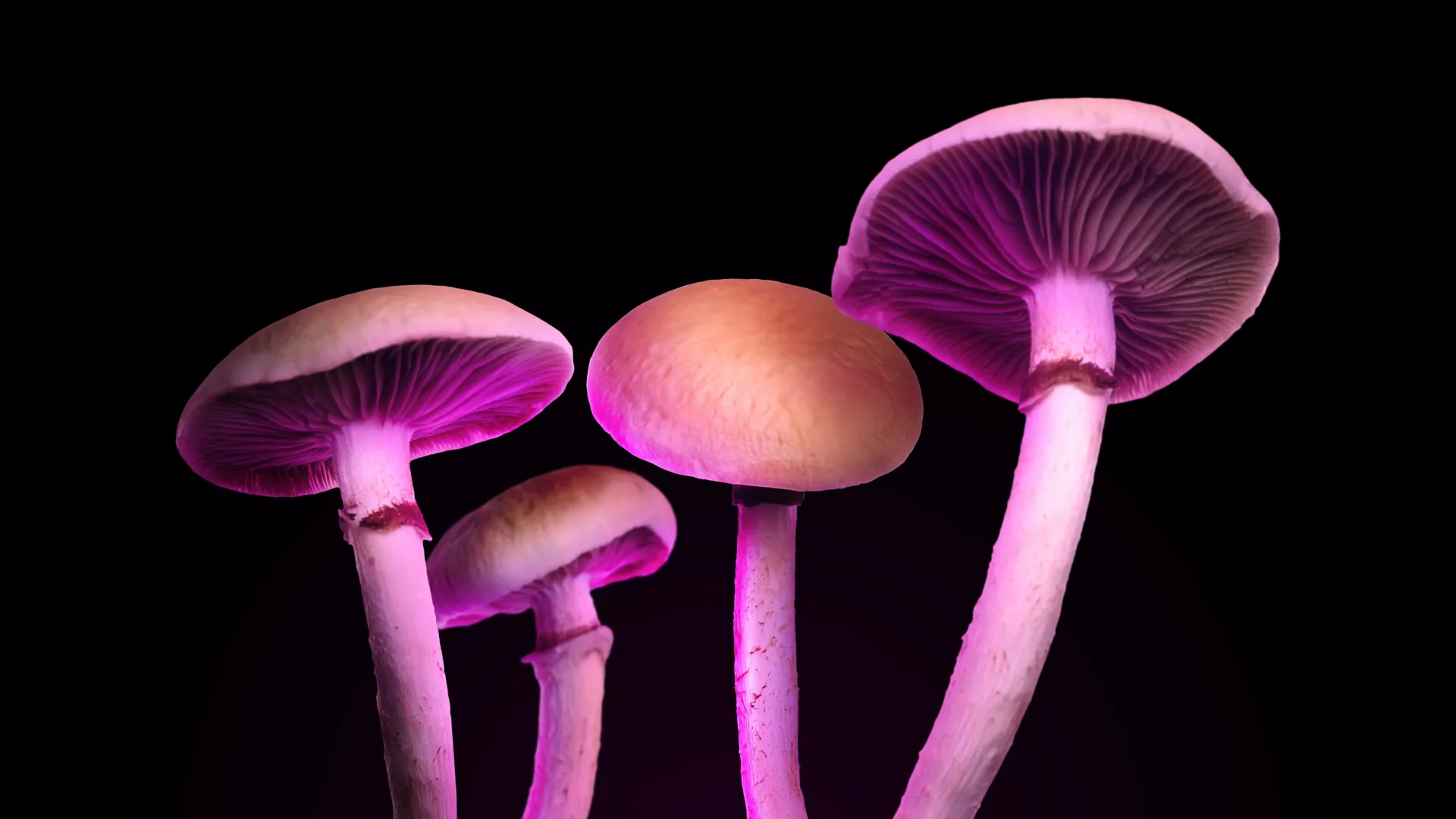
A burgeoning field of neuroscience is increasingly focused on the therapeutic applications of psychedelic compounds, particularly psilocybin, a naturally occurring psychoactive substance found in certain fungi. While preliminary research indicates significant promise for addressing a spectrum of challenging conditions, including major depressive disorder, generalized anxiety, post-traumatic stress disorder, substance use disorders, and even certain neurodegenerative ailments, a significant hurdle remains: the profound hallucinogenic experiences inherent to these substances. This acute, mind-altering effect, while central to the traditional understanding of psychedelics, presents substantial practical and psychological barriers to their widespread integration into conventional medical practice. Patients may be apprehensive, and the necessity for highly controlled, supervised clinical environments limits accessibility and scalability. Addressing this critical limitation, a recent investigation published in the esteemed Journal of Medicinal Chemistry by the American Chemical Society unveils a groundbreaking approach: the development of modified psilocin molecules engineered to retain their beneficial biological activity while significantly attenuating the associated psychedelic phenomena.
Psilocin is the metabolically active compound derived from psilocybin once ingested and processed by the human body. The research team, spearheaded by scientific contributors Andrea Mattarei, Sara De Martin, and Paolo Manfredi, embarked on a mission to chemically alter psilocin in a manner that could dissociate its therapeutic efficacy from its consciousness-altering properties. According to Dr. Mattarei, a corresponding author on the study, "Our observations align with a growing body of scientific evidence suggesting that the beneficial serotonergic activity and the psychedelic effects of these compounds may not be inextricably linked. This opens up a compelling avenue for designing new therapeutic agents that can deliver the desired biological benefits with a reduced hallucinogenic profile, thereby enabling safer, more practical, and potentially more widely accessible treatment paradigms." This perspective marks a pivotal shift in psychedelic research, moving beyond the direct use of naturally occurring compounds towards precision-engineered pharmaceutical solutions.
The rationale behind targeting psilocin’s interaction with the brain’s neurochemical systems stems from its profound influence on serotonin pathways. Serotonin, a crucial neurotransmitter, plays an indispensable role in regulating an array of physiological and psychological processes, including mood, cognition, sleep, appetite, and perception. Disruptions in serotonergic signaling are intimately implicated in the pathophysiology of numerous neuropsychiatric conditions, ranging from the pervasive mood disorders like depression and anxiety to more complex neurodegenerative diseases such as Alzheimer’s. For decades, scientists have recognized the potent influence of psychedelic compounds on these serotonin receptors, particularly the 5-HT2A subtype, which is largely believed to mediate both their therapeutic and hallucinogenic effects. The challenge has been to harness the former without the latter.
The investigative team meticulously designed five novel chemical variants of psilocin, focusing on modifying their pharmacokinetic properties. The core strategy involved engineering these compounds to facilitate a slower and more sustained release of the active molecule into the brain. The hypothesis was that a gradual influx of psilocin, as opposed to the rapid surge induced by pharmaceutical-grade psilocybin, could modulate serotonin receptors in a way that preserves therapeutic activity while mitigating the intensity and duration of the acute psychedelic experience. This nuanced approach represents a sophisticated attempt to fine-tune the pharmacological profile of these potent substances.
The initial phase of the study involved rigorous in vitro evaluation of these five synthesized compounds. Researchers conducted laboratory experiments utilizing human plasma samples and simulated gastrointestinal absorption conditions to mimic the human physiological environment. These crucial preliminary tests were designed to assess the stability of the compounds during the absorption process and to characterize their release kinetics. From this comprehensive screening, one particular candidate, designated as 4e, emerged as the most promising. Compound 4e demonstrated exceptional stability under simulated physiological conditions, indicating its potential for robust bioavailability upon oral administration. More critically, it exhibited a distinctly gradual release profile of psilocin, a characteristic deemed essential for potentially dampening hallucinogenic responses. Concurrently, experiments confirmed that 4e maintained a strong capacity to activate key serotonin receptors at levels comparable to unadulterated psilocin, suggesting its therapeutic potential remained intact.
Following the successful in vitro validation, the research progressed to in vivo studies, comparing the efficacy and effects of 4e against pharmaceutical-grade psilocybin in a murine model. Mice were orally administered equivalent doses of both substances, allowing researchers to track the pharmacokinetics of psilocin in real-time over an extended 48-hour period. The meticulous tracking of psilocin concentrations in both the bloodstream and brain revealed significant differences. In the animal subjects treated with compound 4e, psilocin efficiently traversed the blood-brain barrier, reaching central nervous system targets effectively. Crucially, the levels of psilocin in the brain were lower but demonstrably more sustained and prolonged compared to those observed in mice receiving conventional psilocybin. This sustained presence, rather than a rapid peak, supports the hypothesis that the rate of release is a key determinant of the compound’s experiential effects.
Perhaps the most compelling evidence for the dissociation of therapeutic activity from hallucinogenic effects came from behavioral observations. Researchers meticulously monitored the mice for specific behaviors indicative of psychedelic-like activity. In rodents, the "head twitch response" (HTR) is a widely accepted and reliable biomarker for the acute hallucinogenic effects mediated by 5-HT2A receptor activation. Mice administered with 4e displayed a significantly reduced frequency of head twitches compared to their counterparts treated with pharmaceutical-grade psilocybin. This stark difference occurred despite the fact that 4e robustly interacted with the very serotonin receptors known to mediate these effects. The researchers posited that this critical divergence in behavioral outcomes is primarily attributable to the altered pharmacokinetics of 4e – specifically, the slower and more controlled release of psilocin within the brain, which prevents the rapid, high-peak concentrations believed to trigger intense psychedelic states.
The implications of these findings are profound for the future landscape of neuropsychiatric treatment. This research provides compelling preliminary evidence that it is indeed feasible to engineer stable, psilocin-based compounds capable of effectively reaching the brain and modulating serotonin receptors in a therapeutically beneficial manner, all while significantly diminishing the intense, mind-altering experiences typically associated with classic psychedelics. Such "non-hallucinogenic psychedelics" or "psychedelic-inspired medicines" could revolutionize mental healthcare by offering treatments with potentially fewer side effects, reduced need for intensive clinical supervision, and greater patient acceptability. This could dramatically broaden the patient population eligible for these therapies and alleviate many of the logistical challenges currently impeding their wider adoption.
However, the scientific journey is far from complete. The authors emphasize that these findings represent an early stage of development. Extensive further research is imperative to fully elucidate the precise molecular mechanisms underlying the observed dissociation of effects. A comprehensive understanding of the full biological impact of these novel molecules is also required, encompassing potential long-term effects and safety profiles. Only after rigorous preclinical validation and subsequent meticulously designed human clinical trials can the safety and true therapeutic potential of compounds like 4e be conclusively evaluated for human application. The development of these innovative compounds was supported by funding from MGGM Therapeutics, LLC, in collaboration with NeuroArbor Therapeutics Inc. It is also noted that several of the contributing authors hold inventor status on patents related to psilocin, reflecting the proprietary nature and potential commercial applications of this pioneering work. This research marks a significant stride towards harnessing the therapeutic power of psychedelics in a more controlled, accessible, and patient-friendly format, potentially heralding a new era in the treatment of challenging brain disorders.
About the Author