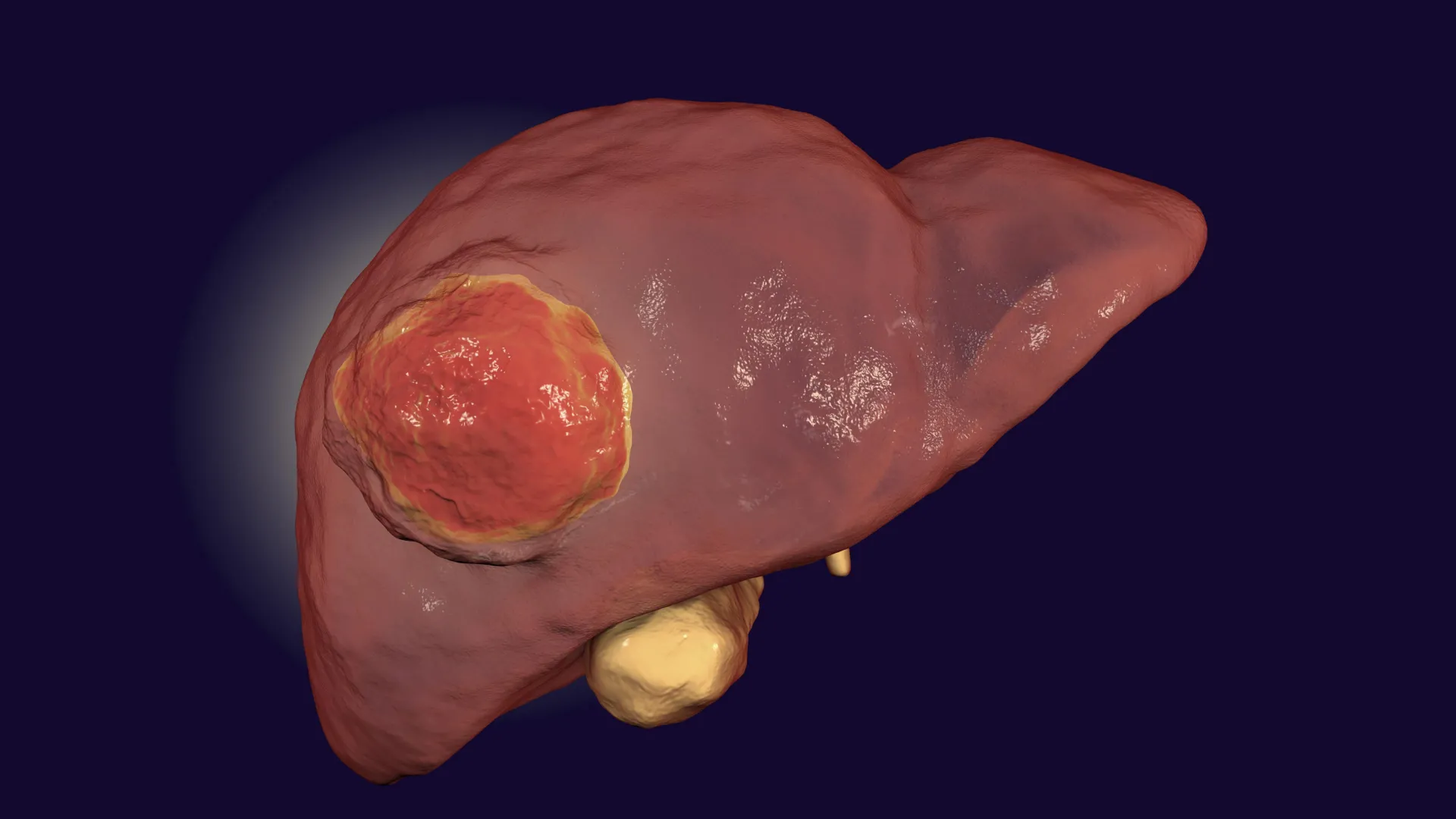
Hepatocellular carcinoma, a formidable and frequently lethal primary liver cancer, continues to pose a significant global health challenge, necessitating the exploration of novel prevention and therapeutic strategies. With a disheartening five-year survival rate hovering around 22% in the United States, and an anticipated 42,240 new diagnoses alongside 30,090 fatalities in 2025, according to projections from the American Cancer Society, the urgency for breakthrough research is undeniable. Compounding this crisis is the escalating prevalence of underlying liver pathologies that predispose individuals to malignancy. A substantial segment of the adult population, approximately one in four in the U.S., contends with fatty liver disease. This condition, alongside chronic viral hepatitis and excessive alcohol consumption, frequently culminates in cirrhosis, a severe scarring of the liver, which dramatically elevates the probability of developing liver cancer. In this context, recent groundbreaking research from Rutgers University offers a compelling new perspective, suggesting that a simple dietary adjustment—specifically, reducing protein intake—could potentially decelerate tumor progression or even mitigate cancer risk in individuals with compromised hepatic function.
The investigation, spearheaded by Rutgers researchers and published in the esteemed journal Science Advances, delves into the intricate metabolic pathways within a compromised liver. The findings illuminate how an organ struggling with its fundamental detoxification responsibilities can inadvertently foster an environment conducive to carcinogenesis. Central to this discovery is the role of ammonia, a compound that becomes toxic at elevated concentrations.
Understanding the liver’s multifaceted role in metabolism is crucial to appreciating these findings. One of its vital functions is the processing of protein. When the body catabolizes dietary proteins, the nitrogenous components are converted into ammonia. Ammonia is inherently harmful, capable of inflicting damage on both neurological and systemic physiological processes. Under normal circumstances, a healthy liver efficiently manages this metabolic waste product through a complex series of biochemical reactions known as the urea cycle. Within this cycle, ammonia is transformed into urea, a far less toxic compound, which is subsequently filtered by the kidneys and excreted from the body via urine. This finely tuned detoxification system is essential for maintaining physiological homeostasis.
However, in individuals afflicted with liver disease or damage, the liver’s capacity to execute the urea cycle effectively is often impaired. This impairment leads to an accumulation of ammonia within the bloodstream and tissues, a condition known as hyperammonemia. Clinicians have long observed that liver cancer patients frequently exhibit deficiencies in the enzymatic machinery responsible for ammonia detoxification. This clinical correlation, noted for decades, presented a critical unanswered question: Was the observed impairment in ammonia metabolism merely a consequence of advanced cancer, or did the resulting ammonia buildup actively contribute to, or even drive, tumor growth? Resolving this long-standing scientific conundrum became the primary objective of the Rutgers team.
To definitively ascertain whether elevated ammonia levels directly fuel oncogenesis, Dr. Wei-Xing Zong, a distinguished professor at the Rutgers Ernest Mario School of Pharmacy and a key member of the Cancer Metabolism and Immunology Program at Rutgers Cancer Institute, along with his collaborators, devised a meticulously controlled experimental paradigm using mouse models. Initially, they induced liver tumors in all animal subjects while ensuring their ammonia processing systems remained fully functional. This provided a baseline for tumor development in the absence of pre-existing ammonia detoxification issues.
Subsequently, the researchers introduced a critical experimental variable. Employing advanced gene-editing techniques, they selectively inactivated specific enzymes integral to the ammonia processing pathway in a subset of the mice. A control group of mice maintained their normal, intact ammonia-handling capabilities. The scientists then rigorously compared the trajectory of tumor growth and overall survival rates between these two distinct cohorts. The results were remarkably unequivocal. The mice whose livers were genetically engineered to be incapable of properly processing ammonia exhibited a stark and concerning metabolic profile. These animals accumulated substantially higher concentrations of the toxic metabolite. Furthermore, they developed significantly larger tumor burdens and succumbed to their disease at a markedly accelerated pace compared to their counterparts whose ammonia detoxification pathways remained uncompromised.
Further in-depth biochemical analysis by the research team unveiled the precise fate of this excess ammonia. They discovered that rather than being harmlessly converted into urea, the accumulating ammonia was being actively incorporated into fundamental molecular building blocks essential for cellular proliferation. Specifically, the team identified that ammonia was diverted into the synthesis of amino acids and nucleotides—molecules that are the very foundation upon which cancer cells construct new proteins and replicate their DNA, thereby facilitating their unchecked growth and multiplication. Dr. Zong succinctly articulated this critical metabolic shift, stating that the ammonia "goes into amino acids and nucleotides, both of which tumor cells depend on for growth." This revelation firmly established a direct mechanistic link, demonstrating that hyperammonemia is not merely a byproduct of liver cancer but a potent driver of its progression.
Having elucidated this crucial metabolic pathway, the research team then embarked on exploring a practical, potentially actionable strategy to mitigate ammonia buildup. Their next phase of experimentation focused on whether a dietary intervention—specifically, a reduction in protein intake—could effectively limit the availability of nitrogen, the precursor to ammonia. The outcomes of this dietary modulation were equally compelling. Mice subjected to a low-protein dietary regimen exhibited dramatically slower rates of tumor expansion and demonstrated significantly extended survival times when compared to animals consuming standard quantities of protein. This finding offers a tangible, non-pharmacological approach to potentially modulate the tumor microenvironment.
It is imperative to contextualize these findings within the broader landscape of human nutrition and health. For individuals possessing healthy, fully functional livers, a high protein intake generally does not present a concern. Their robust hepatic systems are adept at efficiently converting ammonia into urea, preventing toxic accumulation. However, the implications of this study resonate profoundly for those living with pre-existing liver damage, chronic liver diseases, or conditions that compromise hepatic function. For these vulnerable populations, the findings suggest that careful management of dietary protein could represent a valuable adjunctive strategy in reducing liver cancer risk or slowing disease progression.
Despite the promising nature of these preclinical findings, experts universally underscore the critical importance of medical consultation before implementing any significant dietary modifications. Particularly for cancer patients, nutritional guidance must be highly individualized and carefully supervised by healthcare professionals. Standard oncological care often includes recommendations for higher protein intake to help patients preserve muscle mass and maintain physical strength, which are vital for tolerating demanding treatments like chemotherapy and radiation. Altering this balance without expert oversight could lead to unintended adverse effects, such as sarcopenia or malnutrition, which can further compromise patient outcomes.
Dr. Zong emphasizes that the optimal approach to dietary protein management will undoubtedly be contingent upon an individual’s unique health status, the specific nature and severity of their liver condition, and their overall liver function. For patients whose bodies demonstrably struggle with the efficient elimination of ammonia, a carefully calibrated reduction in protein consumption could indeed offer a therapeutic benefit by lowering circulating ammonia levels. "Reducing the protein consumption may be the easiest way to get ammonia levels down," Dr. Zong noted, highlighting the straightforwardness of this potential intervention.
The Rutgers study marks a significant stride in our understanding of liver cancer metabolism, shifting the paradigm to view ammonia not just as a marker of disease but as an active participant in tumor growth. While these results are derived from preclinical mouse models, they lay a robust foundation for future human clinical trials. Such research could eventually lead to personalized dietary guidelines for individuals at high risk of liver cancer or those already battling the disease, offering a new, accessible dimension to an otherwise complex therapeutic landscape. The long-term vision is to integrate these metabolic insights into comprehensive care plans, ultimately improving the prognosis and quality of life for patients affected by this challenging malignancy.
About the Author