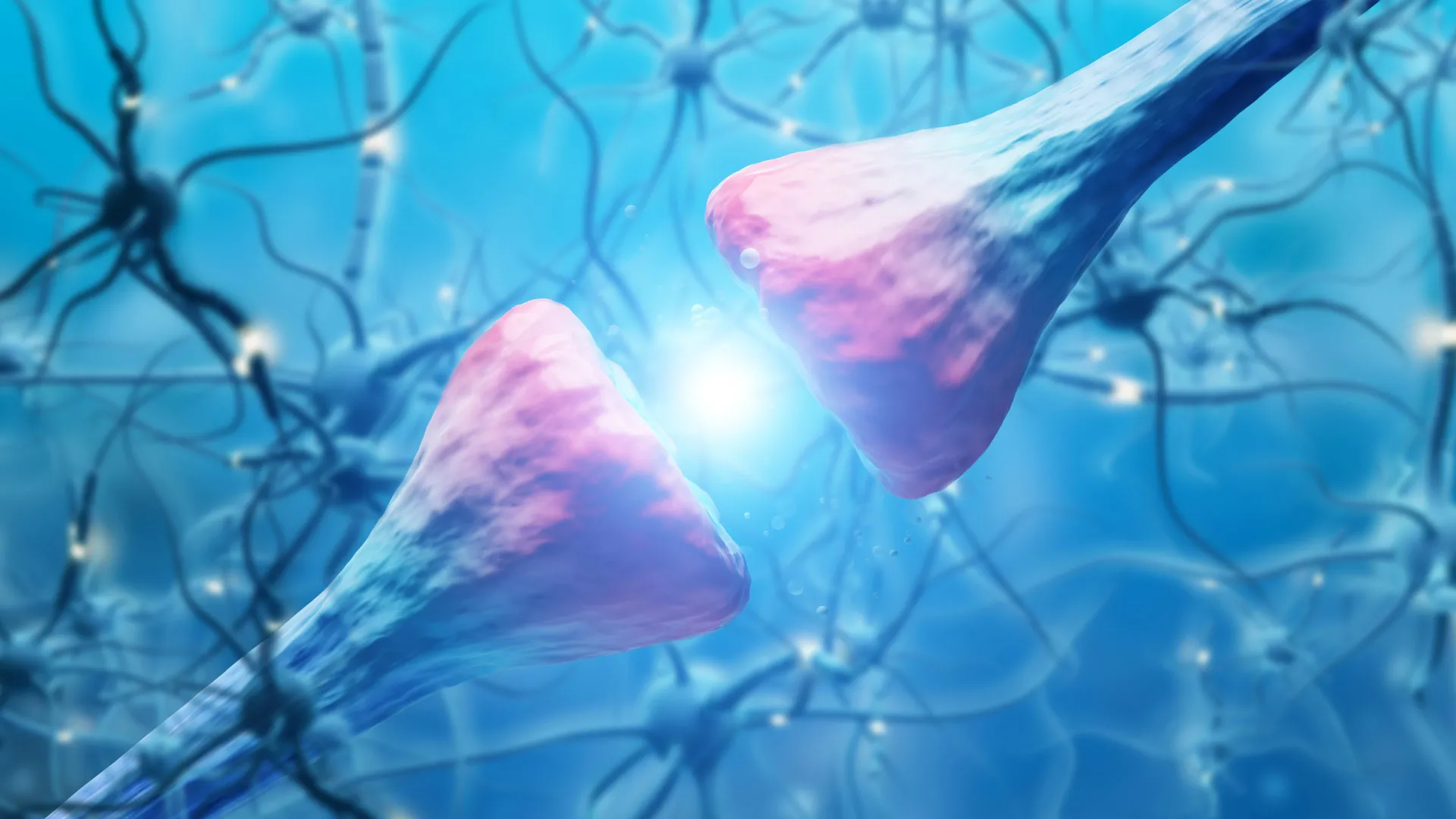
The persistent urge to resume cocaine use, a phenomenon frequently observed in individuals attempting to overcome addiction, is now understood to stem from profound and enduring alterations within the brain’s intricate circuitry. New scientific findings reveal that exposure to cocaine induces biological modifications that significantly heighten the susceptibility to relapse, making the desire for the drug exceptionally potent and difficult to surmount, moving beyond a simple deficit of willpower.
At the heart of this discovery are researchers from Michigan State University, who have elucidated how cocaine fundamentally reshapes the functional landscape of the hippocampus, a brain region critically involved in the consolidation of memories and the processes of learning. This groundbreaking investigation, which received crucial financial backing from the National Institutes of Health and was subsequently published in the esteemed journal Science Advances, offers a compelling explanation for the formidable challenges in treating cocaine addiction and simultaneously illuminates promising avenues for the development of novel therapeutic interventions.
Senior author A.J. Robison, a distinguished professor of neuroscience and physiology, articulated a vital perspective on the nature of addiction, likening it to chronic diseases such as cancer. He emphasized the imperative need to advance treatment methodologies and provide comprehensive support for those grappling with addiction, drawing a parallel to the ongoing global efforts to find cures for oncological diseases.
The pervasive nature of cocaine addiction is underscored by its impact on a substantial segment of the population in the United States, with at least one million individuals affected. Despite this widespread prevalence, the pharmaceutical landscape currently lacks any medication specifically approved by the Food and Drug Administration (FDA) for the direct treatment of cocaine addiction. While the cessation of cocaine use typically does not precipitate the severe physical withdrawal syndromes associated with opioid dependence, the psychological and behavioral hurdles to quitting remain exceptionally formidable.
The underlying cause for this persistent difficulty lies in the drug’s profound influence on neurochemical pathways. Cocaine acts by dramatically increasing the levels of dopamine, a neurotransmitter intrinsically linked to pleasure, reward, and motivation, within the brain’s reward centers. This artificial surge establishes a potent positive reinforcement loop, leading the brain to erroneously perceive cocaine consumption as a beneficial activity rather than a detrimental one. Consequently, even after periods of abstinence, the propensity for relapse remains alarmingly high, with statistics indicating that approximately 24% of individuals resume weekly cocaine use, and an additional 18% re-engage in treatment programs within a year.
Central to understanding this enduring compulsion, Andrew Eagle, the study’s principal investigator and a former postdoctoral researcher in Dr. Robison’s laboratory, identified a pivotal molecular player: a protein known as DeltaFosB. Through the application of sophisticated CRISPR-based gene-editing technologies, Eagle meticulously examined the influence of DeltaFosB on specific neural circuits in mice that had been exposed to cocaine.
These meticulously designed experiments in animal models revealed that DeltaFosB functions as a critical genetic regulator, akin to a molecular switch. It possesses the capacity to activate or suppress the expression of genes within the neural pathway that connects the brain’s reward circuitry to the hippocampus, which serves as the brain’s central repository for memory formation. With sustained exposure to cocaine, this protein progressively accumulates within this interconnected circuit. As its concentration rises, DeltaFosB instigates significant alterations in neuronal function and fundamentally modifies the circuit’s responsiveness to the drug’s presence.
Eagle underscored the critical nature of this protein’s role, stating unequivocally that DeltaFosB is not merely correlated with these neurobiological changes but is, in fact, indispensable for their occurrence. He elaborated that in the absence of this protein, cocaine fails to elicit the same profound shifts in brain activity or the same intense drive to seek out the substance.
Further investigations by the research team delved into additional genes that are modulated by DeltaFosB following prolonged cocaine exposure. Among these identified genes is calreticulin, a protein integral to the intricate mechanisms governing neuronal communication. The study’s findings demonstrated that calreticulin enhances the activity within brain pathways that are instrumental in perpetuating the compulsive pursuit of cocaine, thereby accelerating the neurobiological processes that underpin addiction.
While the current research was conducted using mouse models, the implications of these findings are highly likely to extend to human physiology. This is largely attributed to the conservation of many fundamental genes and neural circuit architectures across mammalian species, including humans. Dr. Robison’s team is actively engaged in a collaborative endeavor with scientists at the University of Texas Medical Branch in Galveston, Texas, with the overarching objective of developing novel compounds designed to specifically target DeltaFosB. This ambitious project, bolstered by funding from the National Institute on Drug Abuse, is focused on the precise design and rigorous testing of molecules capable of modulating how DeltaFosB interacts with DNA.
Dr. Robison expressed cautious optimism regarding the potential therapeutic applications of this research, positing that the identification of a precisely acting compound could represent a significant breakthrough in the treatment of cocaine addiction. He acknowledged that such advancements are likely years in the future but firmly established it as the ultimate long-term objective of their ongoing scientific pursuits.
Looking ahead, the next frontier of this research will encompass an exploration of the intricate ways in which hormonal fluctuations influence these critical brain circuits. The research team also intends to investigate whether the neurobiological effects of cocaine manifest differently in male and female brains. A deeper understanding of these potential sex-based differences in addiction vulnerability could provide invaluable insights into why addiction risks can vary between genders and may ultimately pave the way for the development of more personalized and effective treatment strategies.
About the Author