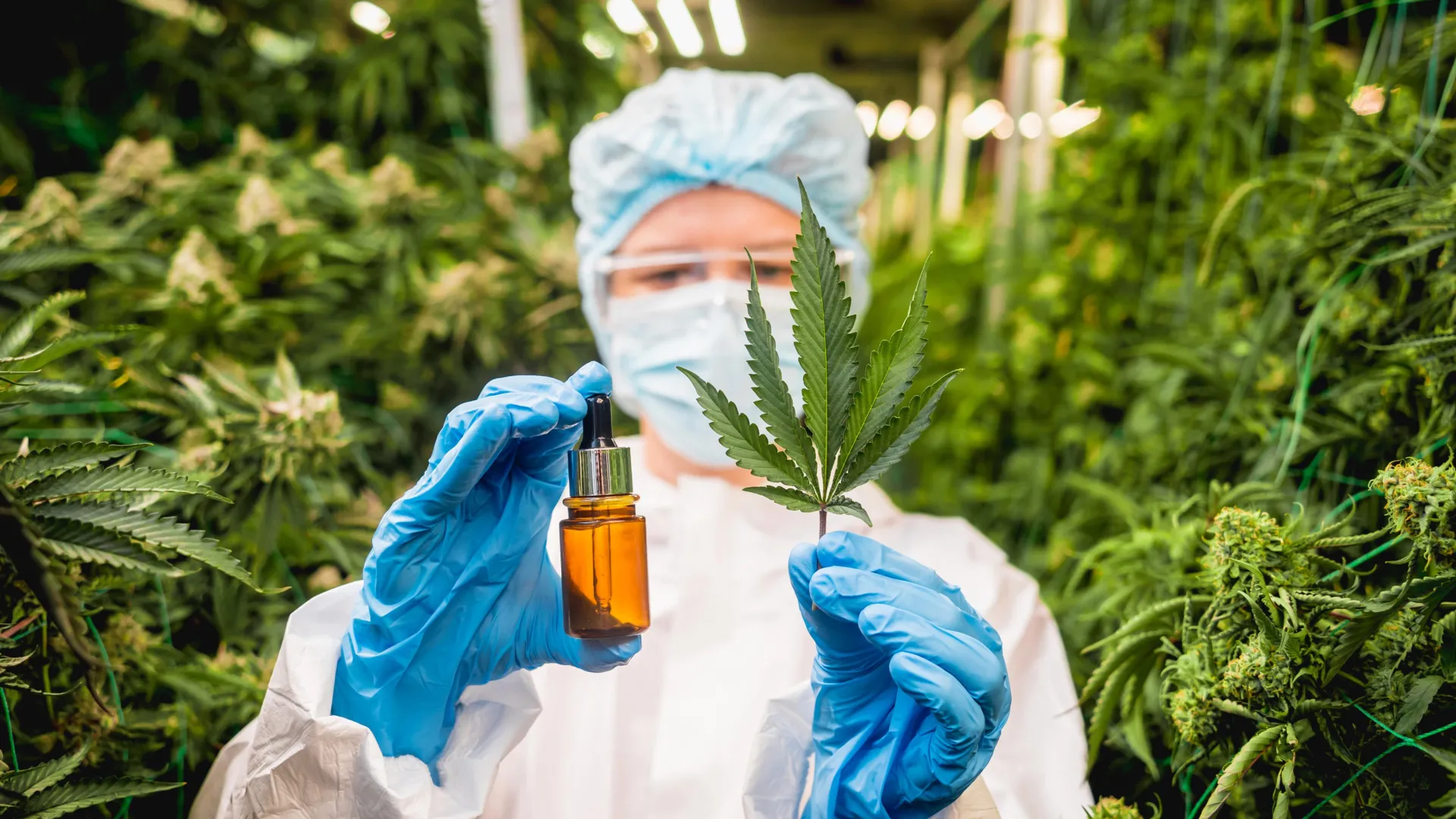
A significant scientific breakthrough originating from the Hebrew University of Jerusalem has illuminated the potential of two non-psychoactive compounds derived from the cannabis plant, cannabidiol (CBD) and cannabigerol (CBG), in addressing metabolic dysfunction-associated steatotic liver disease (MASLD). This pioneering investigation suggests these cannabinoids possess a unique capacity to not only reduce hepatic fat accumulation but also to fundamentally remodel the metabolic processes within liver cells, offering a promising, plant-based therapeutic strategy for a global health challenge. The research, spearheaded by Professor Joseph Tam, Dr. Liad Hinden, and PhD student Radka Košťárová, along with their dedicated team at the School of Pharmacy within the Faculty of Medicine, points towards a new frontier in the management of liver health by targeting the organ’s energy utilization and cellular waste disposal systems.
Metabolic dysfunction-associated steatotic liver disease, previously known as non-alcoholic fatty liver disease (NAFLD), represents the most prevalent chronic liver disorder globally, affecting an estimated one-third of the adult population. Its rising incidence is inextricably linked to the burgeoning epidemics of obesity, type 2 diabetes, insulin resistance, and hypertension. MASLD is characterized by excessive fat accumulation in the liver, which, if left unmanaged, can progress to more severe forms such as metabolic dysfunction-associated steatohepatitis (MASH), marked by inflammation and cellular damage. MASH carries a significant risk of advancing to fibrosis, cirrhosis, and ultimately liver failure or hepatocellular carcinoma, underscoring the critical need for effective interventions. Despite its widespread impact, current therapeutic options for MASLD are remarkably limited, primarily revolving around lifestyle modifications like dietary changes and increased physical activity. While essential, the long-term adherence to these changes often proves challenging for patients, leaving a substantial unmet medical need for pharmacological treatments. This clinical void has propelled researchers worldwide to explore novel pathways and compounds that could offer genuine therapeutic benefit.
The Hebrew University team’s investigation into CBD and CBG goes beyond merely observing a reduction in liver fat. Their sophisticated analysis revealed that these cannabinoids instigate a profound "metabolic remodeling" within liver cells. This intricate cellular reprogramming appears to enhance the internal operational efficiency of hepatocytes, the primary liver cells, by influencing two critical functions: energy management and the elimination of cellular waste. The non-intoxicating nature of both CBD and CBG is particularly significant, as it mitigates concerns regarding psychoactive side effects, making them more attractive candidates for long-term therapeutic application compared to their psychoactive counterpart, THC.
One of the study’s pivotal discoveries centered on the liver’s energy reserve mechanisms. The researchers observed that both CBD and CBG significantly elevated the levels of phosphocreatine. Phosphocreatine functions as a crucial cellular energy buffer, akin to a rapid-response energy reservoir, allowing cells to quickly regenerate adenosine triphosphate (ATP) – the fundamental energy currency – under conditions of high demand or stress. While this system is well-known in tissues with high energy turnover, such as muscle, the liver typically does not heavily rely on it for its metabolic functions. The finding that these cannabinoids boost phosphocreatine levels in liver cells is therefore particularly noteworthy, suggesting a novel mechanism by which they can bolster the liver’s resilience against metabolic insults, such as those induced by a high-fat diet. By ensuring a more robust and readily available energy supply, liver cells may be better equipped to maintain their structural integrity and functional output, even when confronted with an overload of nutrients or other metabolic stressors.
Complementing their impact on energy metabolism, CBD and CBG were also found to reactivate cathepsins, a family of proteolytic enzymes vital for cellular health. These enzymes reside within lysosomes, which are often referred to as the cell’s "recycling centers" or "waste disposal units." Lysosomes are responsible for breaking down various cellular debris, including damaged organelles, proteins, and lipids, into their constituent components for recycling or excretion. In the context of MASLD, lysosomal function and cathepsin activity can become impaired, leading to the intracellular accumulation of harmful substances. By restoring the activity of these crucial enzymes, CBD and CBG enable liver cells to more efficiently process and eliminate deleterious metabolic byproducts, including specific lipid molecules that contribute significantly to liver pathology. The study documented a substantial reduction in damaging lipid species, such as triglycerides and ceramides. While triglycerides represent a general form of fat storage, ceramides are particularly insidious; they are bioactive lipids strongly implicated in inducing insulin resistance, promoting inflammation, and even triggering apoptosis (programmed cell death) within the liver. The effective clearance of these harmful lipids through enhanced lysosomal activity represents a direct mechanism for mitigating the progression of MASLD and its associated complications.
Intriguingly, while both CBD and CBG exhibited beneficial effects on liver health, the research uncovered subtle yet distinct differences in their metabolic impacts. Both compounds demonstrated efficacy in stabilizing blood sugar levels and improving the body’s overall glucose processing capabilities. However, CBG emerged with a stronger profile in several key metabolic markers. Specifically, CBG led to more significant reductions in total body fat mass and showed a more pronounced improvement in insulin sensitivity compared to CBD. Furthermore, CBG displayed a superior ability to lower total cholesterol and levels of "bad" low-density lipoprotein (LDL) cholesterol. These differential effects suggest that while both cannabinoids share common therapeutic pathways, they may also interact with distinct molecular targets or modulate different signaling cascades within the complex metabolic network, hinting at the possibility of tailored cannabinoid therapies in the future.
Professor Joseph Tam underscored the significance of these findings, stating, "Our discoveries pinpoint a novel mechanism through which CBD and CBG augment both hepatic energy and lysosomal functionality. This dual metabolic remodeling capability contributes to an enhanced handling of liver lipids and positions these compounds as highly promising therapeutic agents for MASLD."
Despite the compelling nature of these preclinical findings, the researchers prudently emphasize that substantial further investigation is imperative before these insights can be translated into human clinical treatments. Subsequent studies will need to meticulously explore aspects such as optimal dosing, long-term safety profiles, potential drug interactions, and, crucially, efficacy in human subjects. The journey from bench to bedside is often arduous, requiring rigorous clinical trials to validate findings and establish clear therapeutic guidelines.
Nevertheless, this study marks a pivotal moment in metabolic disease research, highlighting a novel direction for therapeutic development. By intricately targeting fundamental cellular processes like energy storage and waste elimination, plant-derived compounds such as CBD and CBG open new vistas for developing innovative treatments for MASLD and its constellation of related metabolic disorders. As the scientific community continues to unravel the complex pharmacology of cannabinoids, the potential for harnessing these natural compounds to address some of the most pressing global health challenges grows ever more tangible. The prospect of a non-intoxicating, plant-based therapy that can address the underlying cellular dysfunctions of fatty liver disease offers a beacon of hope for millions worldwide.
About the Author