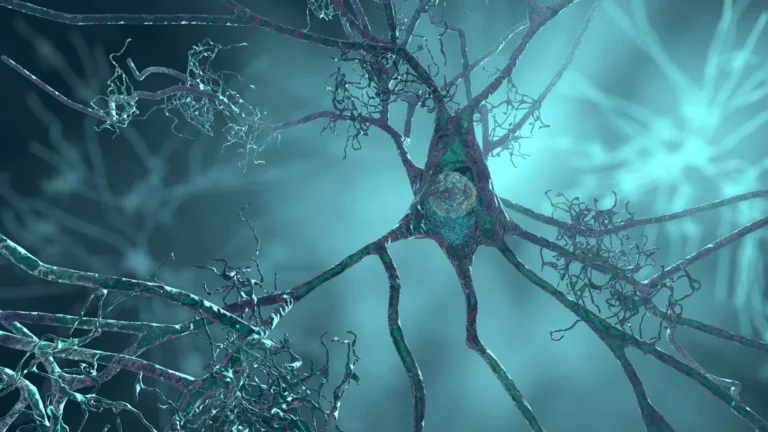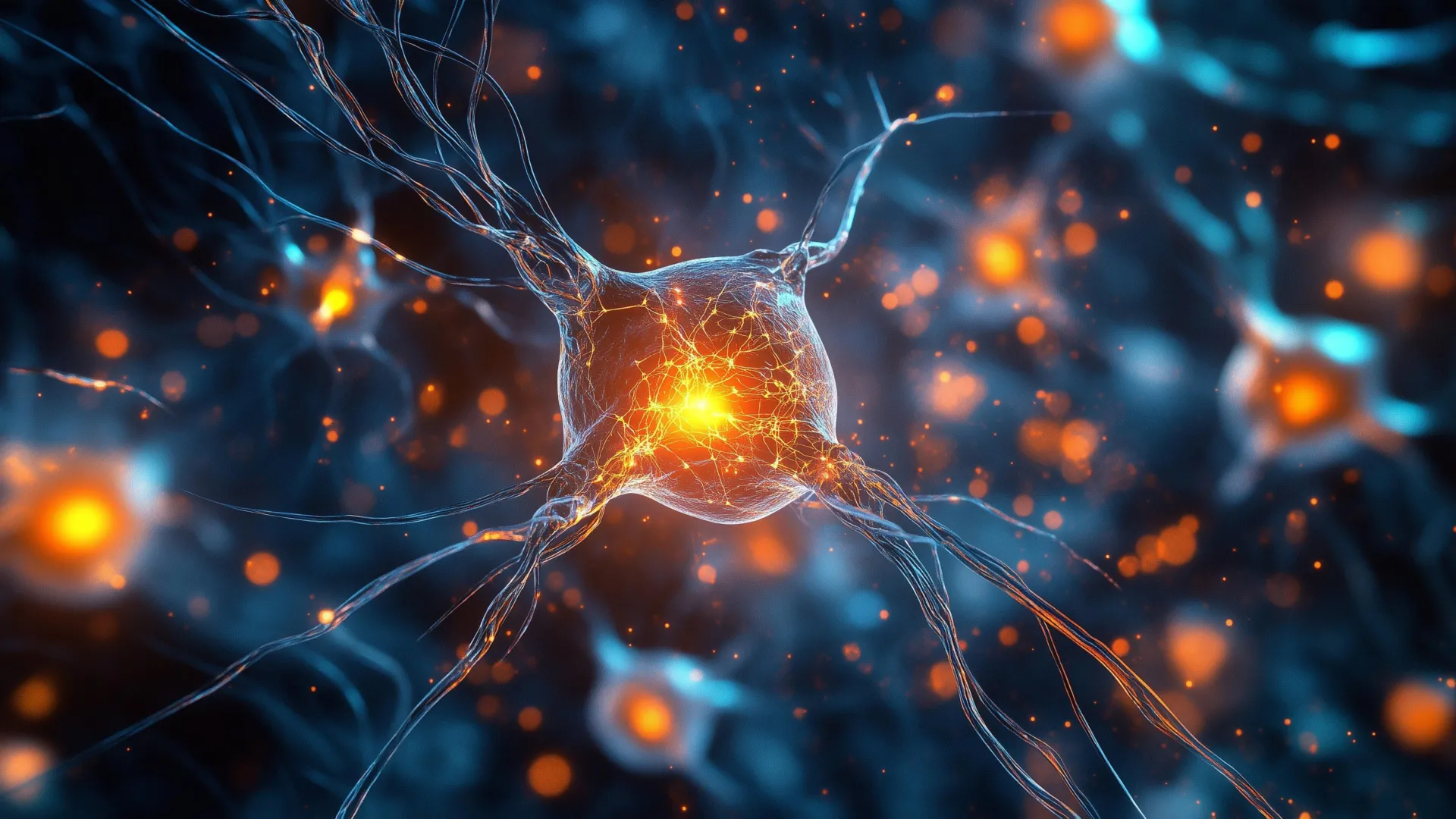
Parkinson’s disease, a chronic and progressive neurological affliction, impacts the lives of over a million individuals across the United States, with approximately 90,000 new diagnoses occurring annually, presenting a significant public health challenge. While current medical interventions and therapeutic strategies are adept at alleviating the symptomatic manifestations of the disorder, they have not yet demonstrated the capacity to halt or reverse its underlying pathological progression. The fundamental pathology of Parkinson’s disease is intrinsically tied to a discernible depletion of dopamine within the brain. This crucial neurotransmitter, dopamine, serves as a vital chemical messenger instrumental in the intricate regulation of motor control. Beyond its motor functions, dopamine also plays a pivotal role in cognitive processes such as memory formation and consolidation, as well as the modulation of mood and other essential physiological and psychological operations. As the specialized neurons responsible for dopamine synthesis and transmission progressively degenerate and cease to function, the brain’s inherent ability to orchestrate smooth and coordinated movements becomes severely compromised. This cascade of neurodegeneration culminates in the characteristic motor deficits associated with Parkinson’s, including involuntary tremors, generalized muscle rigidity, and a marked reduction in the speed and fluidity of voluntary movements.
In response to this critical unmet medical need, a team of researchers at Keck Medicine of USC is at the forefront of investigating an innovative therapeutic paradigm designed to directly confront and rectify the deficiency in dopamine. This groundbreaking endeavor involves the implantation of meticulously engineered stem cells directly into the brain of participants in an early-stage clinical investigation. These specialized cellular constructs are bioengineered with the explicit purpose of substituting for damaged neurons and, critically, to autonomously generate dopamine within the brain’s affected regions. Dr. Brian Lee, a distinguished neurosurgeon affiliated with Keck Medicine and serving as the principal investigator for this pioneering study, articulated the transformative potential of this approach, stating that "should the brain regain its capacity to synthesize dopamine at physiological levels, there is a distinct possibility of decelerating the progression of Parkinson’s disease and facilitating the restoration of motor function."
The innovative treatment regimen leverages a sophisticated type of laboratory-derived stem cell known as induced pluripotent stem cells (iPSCs). These iPSCs represent a significant advancement over earlier stem cell technologies. Unlike embryonic stem cells, which are derived from early-stage embryos, iPSCs are generated through a process of cellular reprogramming. This involves taking somatic cells, such as ordinary skin or blood cells, from adult individuals and reverting them to a highly versatile, undifferentiated state. In this pluripotent condition, iPSCs possess the remarkable plasticity to differentiate into a wide spectrum of specialized cell types found throughout the human body, offering a powerful tool for regenerative medicine. Dr. Xenos Mason, a neurologist with Keck Medicine who specializes in Parkinson’s disease and other movement disorders and is a co-principal investigator on the study, expressed confidence in the potential of these reprogrammed cells. He commented, "We are optimistic that these iPSCs can reliably mature into functional dopamine-producing neurons, thereby presenting the most promising avenue for re-establishing the brain’s endogenous dopamine production."
The surgical procedure for delivering these therapeutic cells necessitates the creation of a precise, small cranial opening to gain access to the target area within the brain. Utilizing advanced magnetic resonance imaging (MRI) for unparalleled navigational accuracy, the neurosurgeon meticulously implants the stem cell suspension into the basal ganglia. This subcortical brain structure is a critical component of the motor system, playing a central role in the planning, execution, and sequencing of voluntary movements. Following the surgical intervention, participants in the trial undergo a rigorous period of close observation and monitoring, typically spanning 12 to 15 months. This extended follow-up period is designed to meticulously track any changes in their Parkinson’s-related symptoms and to identify and assess any potential adverse events. These may include the development of dyskinesia, characterized by involuntary and often erratic bodily movements, or the occurrence of surgical site infections. The research team intends to continue monitoring the long-term health and functional status of these patients for a duration of up to five years. Dr. Lee further elaborated on the overarching objectives of the research, stating, "Our ultimate aim is to develop and refine a technique that can effectively repair the motor deficits experienced by patients and significantly enhance their overall quality of life."
Keck Medicine of USC is one of three esteemed medical institutions in the United States participating in this vital multisite clinical trial. The comprehensive study is designed to enroll a total of 12 individuals diagnosed with moderate to moderately severe Parkinson’s disease, providing a focused cohort for initial safety and efficacy evaluations. The development and production of this novel stem cell therapy, designated as RNDP-001, is undertaken by Kenai Therapeutics, a forward-thinking biotechnology firm dedicated to advancing novel therapeutic strategies for debilitating neurological disorders. In recognition of the potential significance and urgency of this research, the U.S. Food & Drug Administration (FDA) has bestowed fast-track designation upon the clinical trial, officially known as Phase 1 REPLACE. This designation is a procedural mechanism intended to expedite the development, testing, and regulatory review processes for promising new treatments for serious conditions, thereby accelerating their potential availability to patients. It is noteworthy that Dr. Mason has previously received an honorarium payment from Kenai Therapeutics, a disclosure that underscores transparency within the research and development landscape.
About the Author