The relentless pursuit of more effective and less toxic cancer treatments has long been a paramount objective in medical science. Conventional chemotherapies, while often successful in curbing tumor growth, frequently inflict collateral damage on healthy, rapidly dividing cells throughout the body, leading to a spectrum of severe and debilitating side effects. This non-specificity underscores a critical challenge in oncology: developing therapeutic agents that precisely target malignant cells while sparing vital normal tissues. Recent groundbreaking research, spearheaded by an international collaboration between the Universities of Geneva (UNIGE) and Marburg, has illuminated a promising new avenue, leveraging a unique "mirror-image" form of a common amino acid to selectively disrupt the metabolism of specific cancer types. Their findings, published in the esteemed journal Nature Metabolism, suggest a potential paradigm shift towards more targeted and patient-friendly interventions.
At the heart of this discovery lies cysteine, a sulfur-containing amino acid fundamental to numerous biological processes. Amino acids are the molecular building blocks that link together in intricate sequences to form proteins, the workhorses of every living organism. There are 20 standard amino acids that compose the vast array of proteins essential for life, from structural components to enzymes that catalyze biochemical reactions. A fascinating characteristic of most amino acids is their existence in two distinct forms, known as stereoisomers, specifically L (levorotatory) and D (dextrorotatory). These two forms are non-superimposable mirror images of each other, much like a person’s left and right hands. Although they possess identical chemical formulas, their three-dimensional spatial arrangements differ significantly, a property known as chirality.
For reasons rooted deep in evolutionary history, virtually all proteins found in human biology, and indeed in most life forms, are constructed exclusively from the L-forms of amino acids. The D-forms are rarely incorporated into proteins and, when encountered, often serve specialized roles or are processed differently. This stark biochemical preference forms the basis of the novel therapeutic strategy identified by the research team, led by Honorary Professor Jean-Claude Martinou from the UNIGE Faculty of Science. Their investigations delved into how various amino acids influence the proliferation of cancer cells in laboratory settings.
The pivotal revelation emerged when scientists observed that the D-version of cysteine, referred to as D-Cys, exhibited a profound capacity to inhibit the growth of certain cancer cell lines in in vitro experiments. Crucially, this inhibitory effect was highly selective; healthy cells remained largely unaffected by the presence of D-Cys. This differential response between cancerous and non-cancerous cells immediately signaled a potential for targeted therapy. Dr. Joséphine Zangari, a PhD student in Professor Martinou’s laboratory and the study’s lead author, elucidated the underlying mechanism for this selectivity: "This divergence between malignant and healthy cells is readily explained: D-Cys gains entry into cells through a specialized transporter protein that is predominantly expressed on the surface of particular cancer cells." She further elaborated, "Indeed, we observed that if we induced healthy cells to express this same transporter on their surface, those cells subsequently ceased proliferating when exposed to D-Cys." This critical insight pinpoints a specific vulnerability in certain cancer cells that can be exploited for therapeutic gain.
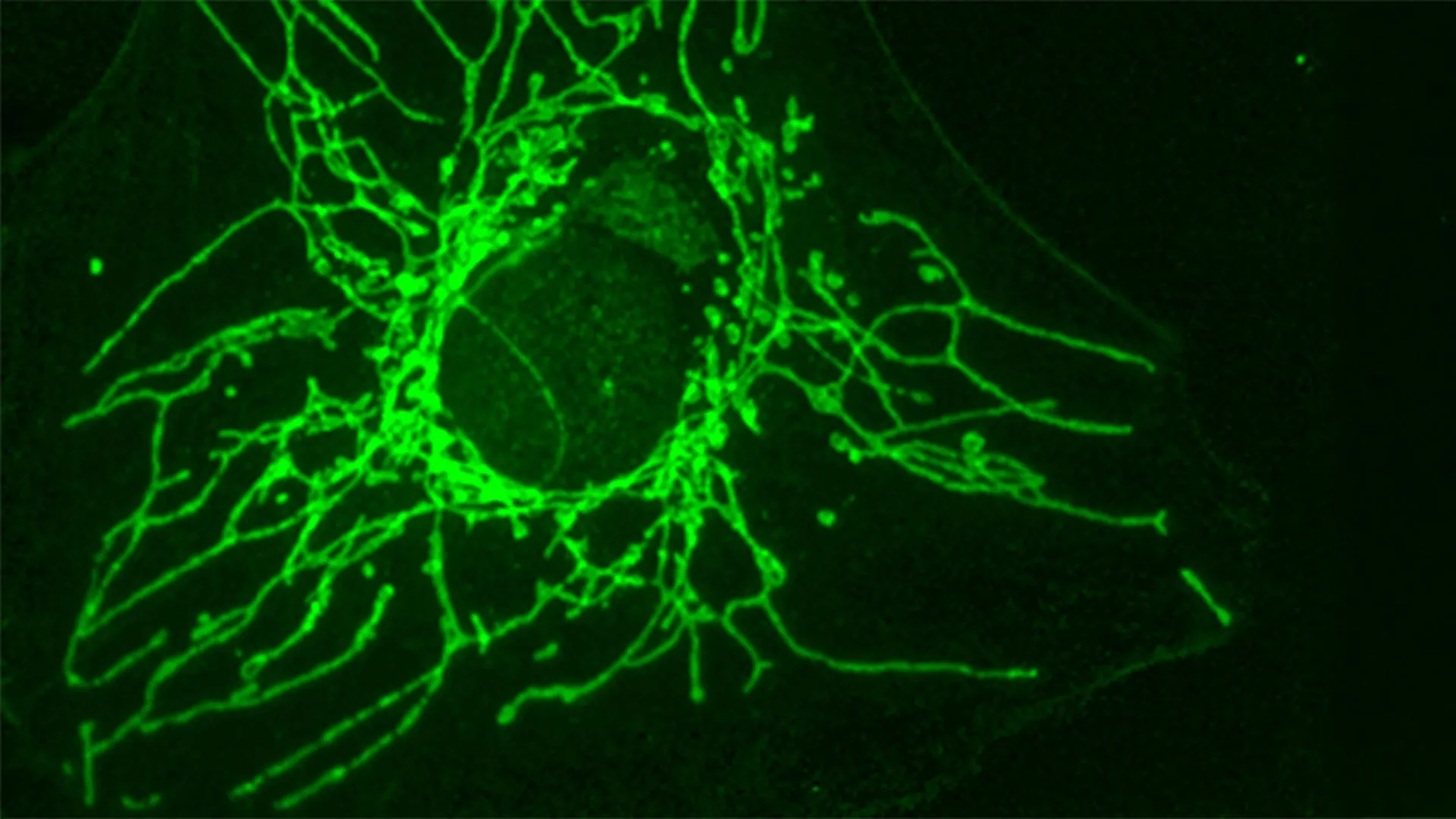
To unravel the precise molecular mechanisms by which D-Cys exerts its detrimental effects on cancer cells, the researchers collaborated with Professor Roland Lill and his team at the University of Marburg. Their joint efforts uncovered that D-Cys directly interferes with an indispensable enzyme named NFS1. This enzyme resides within the mitochondria, often dubbed the "powerhouses" of the cell due to their central role in energy production. NFS1 is vital for the synthesis of iron-sulfur clusters, intricate small structures that are absolutely essential cofactors for a multitude of fundamental cellular processes. These processes include cellular respiration, the intricate biochemical pathways that generate ATP (the cell’s primary energy currency); the production of DNA and RNA, which are the blueprints and messengers of genetic information; and the maintenance of genomic integrity, ensuring accurate replication and repair of the cell’s genetic material.
When D-Cys blocks the activity of NFS1, the cascading consequences for cancer cells are severe and multifaceted. The disruption of iron-sulfur cluster production leads to a significant reduction in cellular respiration, effectively starving the cells of the energy they require for rapid growth. Concurrently, the impaired synthesis and repair of DNA result in an accumulation of genetic damage, triggering cellular checkpoints that halt the cell cycle. Unable to repair the damage or meet their metabolic demands, the affected cancer cells are prevented from continuing to grow and divide, effectively arresting their proliferative capacity. This multi-pronged attack on fundamental cellular functions makes D-Cys a potent metabolic disruptor for susceptible cancer cells.
Moving beyond in vitro observations, the scientific team sought to evaluate the therapeutic potential of D-Cys in a living organism. They administered the compound to mice harboring aggressive mammary tumors, a type of cancer notoriously challenging to treat with existing therapies. The results from these in vivo studies proved highly encouraging. The administration of D-Cys led to a significant deceleration in tumor growth within the experimental animals. Crucially, the mice did not exhibit any major adverse side effects, suggesting a favorable safety profile for the compound at the tested doses. "This represents a highly positive indication – we now understand that it is feasible to capitalize on this specific cellular characteristic to target certain types of cancer cells," stated Jean-Claude Martinou. He cautioned, however, that "further investigation is still required to ascertain whether D-Cys can be administered at therapeutically effective concentrations in humans without inducing harm."
The implications of this research are substantial. If subsequent preclinical and clinical trials in human subjects corroborate the safety and efficacy observed in mice, D-cysteine could emerge as a relatively straightforward and highly selective therapeutic option for cancers that exhibit elevated levels of the specific transporter responsible for its cellular uptake. This targeted approach holds promise not only for directly shrinking existing tumors but also for potentially inhibiting metastasis, the critical and often fatal process by which cancer cells spread from the primary tumor to distant sites in the body. The ability to selectively disrupt cancer cell metabolism without broadly impacting healthy tissues aligns perfectly with the contemporary trend in oncology towards precision medicine, aiming to tailor treatments to the unique molecular characteristics of an individual’s tumor.
This work also contributes to the burgeoning field of cancer metabolism research, which recognizes that cancer cells frequently rewire their metabolic pathways to support their unchecked proliferation and survival. By identifying and exploiting these metabolic vulnerabilities, scientists are opening new fronts in the battle against cancer. The specific targeting of NFS1 and iron-sulfur cluster synthesis offers a novel mechanism of action that could bypass resistance mechanisms developed against existing drugs. The chiral distinction, a subtle yet profound difference in molecular architecture, has thus been revealed as a powerful tool for designing next-generation cancer therapies that are both potent and precisely aimed. While much work remains, the discovery of D-cysteine’s selective anti-cancer activity offers a beacon of hope for patients facing difficult-to-treat malignancies, pushing the boundaries of what is possible in targeted oncology.
About the Author