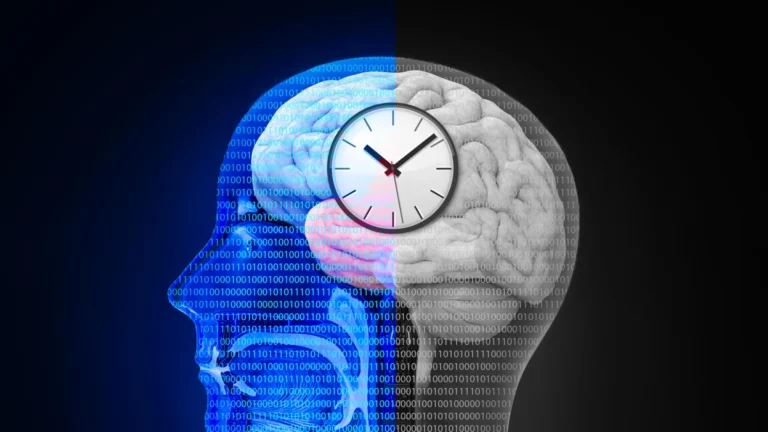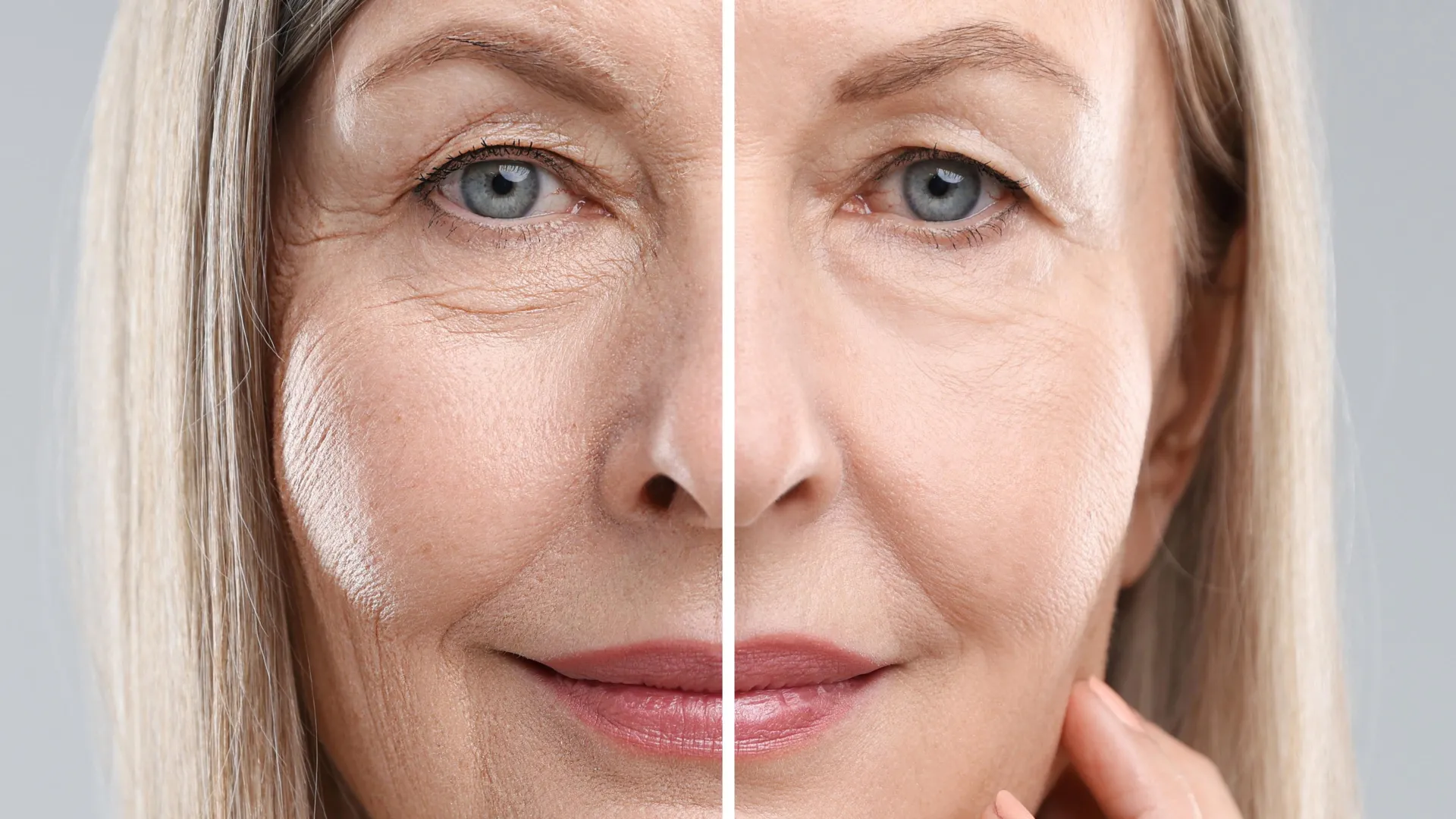
A recent investigation spearheaded by researchers at NYU’s School of Global Public Health has illuminated a potentially significant connection between an individual’s emotional response to the aging process and the tangible rate at which their body ages at a cellular level, with initial findings suggesting this link is particularly pronounced among women. This groundbreaking study posits that the subjective experience of dread and apprehension surrounding the prospect of growing older may not merely be a mental burden but could actively contribute to observable markers of biological aging, thereby translating into tangible health ramifications.
The scientific community has long acknowledged the intricate interplay between mental well-being and physical health, recognizing that chronic psychological distress can leave an indelible imprint on the body’s biological clock. Previous research has delved into how factors such as persistent anxiety and depression can influence the aging trajectory through epigenetic modifications – subtle but crucial alterations in how our genes are expressed without changing the underlying DNA sequence itself. These epigenetic shifts can effectively dictate whether genes are switched on or off, impacting cellular function and, consequently, the aging process. However, until this recent study, the specific correlation between a fear of aging and the biological mechanisms of aging itself had not been a primary focus of scientific inquiry.
Dr. Mariana Rodrigues, a doctoral candidate at NYU’s School of Global Public Health and the lead author of the study published in the esteemed journal Psychoneuroendocrinology, articulated the study’s core finding: "Our research suggests that subjective experiences may be driving objective measures of aging." She further emphasized the profound implications of this discovery, stating, "Aging-related anxiety is not merely a psychological concern, but may leave a mark on the body with real health consequences." This statement underscores a paradigm shift in understanding aging, moving beyond purely biological determinants to incorporate the powerful influence of psychological states.
While concerns about aging are a common human experience, encompassing fears of declining health, diminished physical capabilities, and the loss of autonomy, women may find themselves particularly susceptible to heightened anxiety regarding this natural life stage. Societal pressures that place a premium on youthfulness and specific aesthetic ideals, coupled with concerns about reproductive capacity, can contribute to increased stress levels, particularly during midlife. Furthermore, women often navigate a complex web of responsibilities, including the caregiving of aging parents. Witnessing the physical and cognitive decline of older family members can trigger deeply personal worries about their own future health trajectory, intensifying their anxieties about aging.
The methodology employed in this study involved a rigorous analysis of data gathered from 726 women who were participants in the comprehensive Midlife in the United States (MIDUS) study. These women provided self-reported accounts of their anxieties, detailing the extent to which they worried about factors such as a decline in attractiveness, the onset of health problems, or becoming too old to conceive children. This qualitative data was then juxtaposed with objective biological markers.
To quantify the biological aging process, researchers utilized two well-established epigenetic clocks, sophisticated tools that measure biological age based on patterns of DNA methylation. One of these clocks, known as DunedinPACE, specifically measures the current speed of biological aging, effectively assessing how quickly the body is deteriorating at a cellular level. The second clock, GrimAge2, provides an estimation of accumulated biological damage over time, offering a snapshot of the cumulative wear and tear on the body.
The findings revealed a compelling association: women who expressed higher levels of apprehension about growing older exhibited indicators of accelerated epigenetic aging as measured by the DunedinPACE clock. Prior research has consistently linked accelerated epigenetic aging to a greater propensity for physical decline and an increased risk of developing various age-related diseases. This suggests that the psychological distress associated with aging anxiety may be actively hastening the body’s cellular deterioration.
Interestingly, not all concerns carried the same weight in this association. Worries directly related to deteriorating health demonstrated the most robust link to faster biological aging. In contrast, anxieties concerning physical appearance and reproductive capabilities did not show a statistically significant correlation with epigenetic aging. The researchers theorize that concerns about health may be more enduring and persistent throughout life, whereas worries about beauty and fertility might naturally diminish in prominence as individuals age and their life priorities evolve.
This research serves as a powerful testament to the profound and often underestimated connection between mental and physical health across the entire human lifespan. Despite the frequent tendency to address these domains as separate entities, the study underscores their intrinsic unity. Adolfo Cuevas, an associate professor of social and behavioral sciences at NYU’s School of Global Public Health and the senior author of the study, highlighted this point: "Our research identifies aging anxiety as a measurable and modifiable psychological determinant that seems to be shaping aging biology."
However, the researchers are careful to acknowledge the limitations of their cross-sectional study, which captures data at a single point in time. This design inherently prevents the establishment of definitive cause-and-effect relationships and does not entirely rule out the influence of confounding factors. For instance, certain coping mechanisms that individuals might employ when experiencing anxiety, such as smoking or excessive alcohol consumption, could potentially mediate the observed link. When the research team factored these health behaviors into their analysis, the association between aging anxiety and epigenetic aging weakened considerably, ultimately ceasing to be statistically significant. This suggests that unhealthy behaviors adopted as coping strategies might play a crucial role in bridging the gap between psychological apprehension and biological aging.
Consequently, further longitudinal research is imperative to fully elucidate the mechanisms by which anxiety about aging impacts long-term biological aging trajectories and to develop effective interventions for individuals grappling with these pervasive fears. The study’s coauthor, Jemar R. Bather of NYU School of Global Public Health, contributed to this comprehensive investigation. The research received vital support from the National Institute of Diabetes and Digestive and Kidney Diseases (grants R01DK137246 and R01DK137805).
In conclusion, as Dr. Rodrigues aptly noted, "Aging is a universal experience." This sentiment calls for a broader societal conversation. As a collective, through our prevailing social norms, the structures we build, and the interpersonal relationships we cultivate, we must proactively address the multifaceted challenges associated with aging, fostering an environment that supports healthy aging for all. This research opens a new avenue for understanding and potentially mitigating the biological consequences of our emotional responses to the inevitable process of aging.
About the Author