Malaria, an ancient scourge and persistent global health crisis, continues to claim hundreds of thousands of lives annually, predominantly affecting children under five in sub-Saharan Africa. Caused by Plasmodium parasites, this complex disease defies eradication efforts due to the parasite’s intricate life cycle spanning human and mosquito hosts, its remarkable adaptability, and the growing specter of drug resistance. However, a significant scientific advancement offers renewed hope in this protracted battle, with researchers identifying a crucial protein indispensable for the parasite’s survival and transmission. This discovery not only deepens our understanding of Plasmodium biology but also presents a compelling, species-specific target for next-generation antimalarial therapies.
A collaborative international research effort, involving institutions such as the University of Nottingham, the National Institute of Immunology (NII) in India, the University of Groningen in the Netherlands, and the Francis Crick Institute, has pinpointed a specific molecule, Aurora-related kinase 1 (ARK1), as an Achilles’ heel for the malaria parasite. Their findings, detailed in the prestigious journal Nature Communications, illuminate ARK1’s pivotal role in orchestrating the parasite’s distinctive growth and division mechanisms, essential for its propagation within both its human and insect vectors.
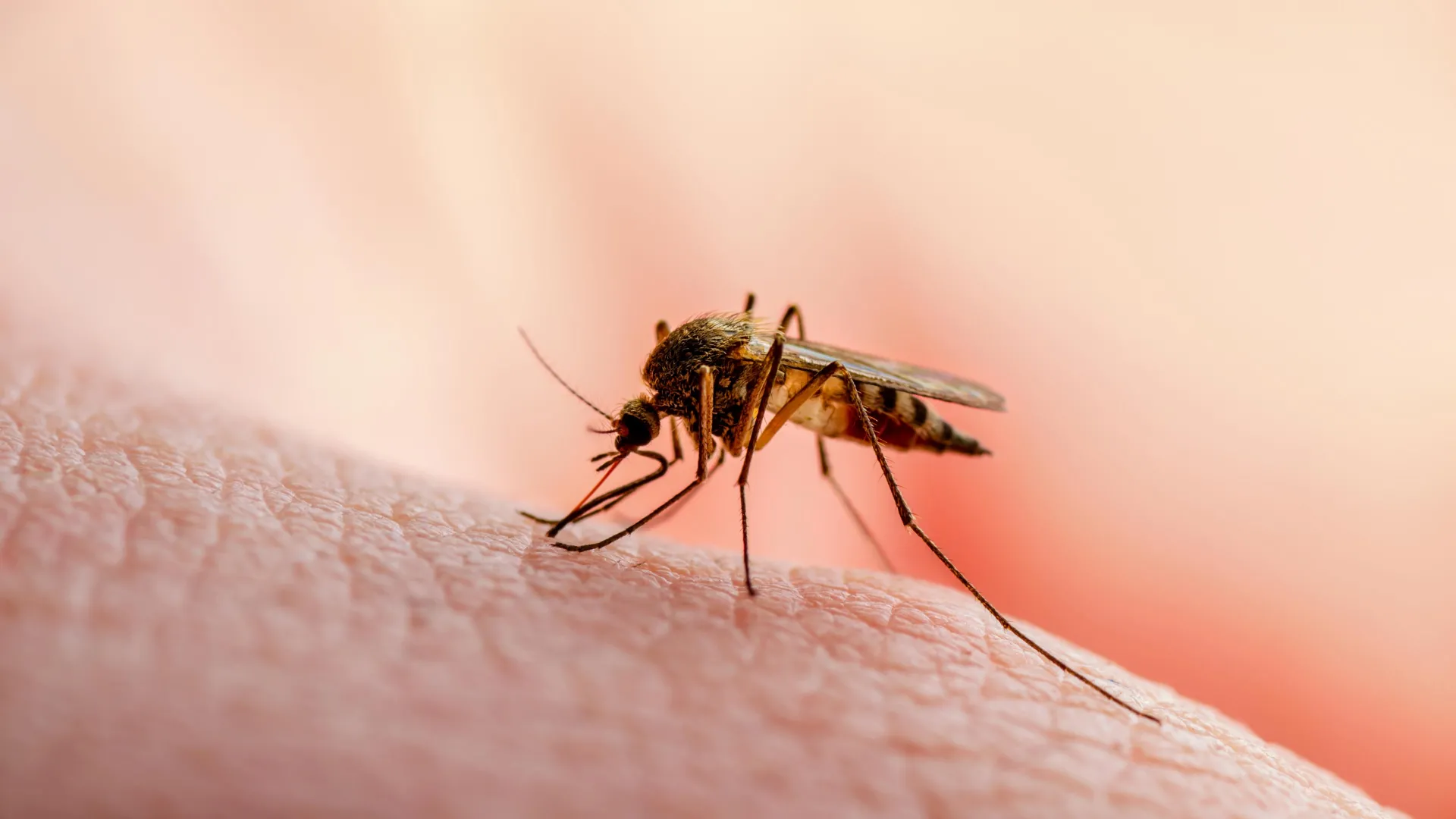
To fully appreciate the gravity of this revelation, one must first grasp the sheer ingenuity and complexity of the Plasmodium life cycle. Upon infection, the parasite initially invades human liver cells, where it undergoes an asymptomatic phase of rapid multiplication. It then bursts forth to infect red blood cells, leading to the symptomatic phase characterized by fever, chills, and organ damage. A subset of these red blood cell parasites differentiates into gametocytes, which, when ingested by an Anopheles mosquito during a blood meal, continue their development within the insect. Sexual reproduction occurs in the mosquito gut, followed by further multiplication and migration to the salivary glands, ready to infect a new human host. Each stage, particularly the various rounds of cell division, is crucial for the parasite’s perpetuation and the disease’s spread.
The malaria parasite exhibits a highly unusual and elaborate method of cellular division, starkly differing from the conventional mitosis observed in human cells. While human cells typically undergo a single round of DNA replication followed by a single division into two daughter cells, Plasmodium parasites employ a process known as schizogony or sporogony, involving multiple rounds of nuclear division without concurrent cytokinesis, resulting in a multinucleated cell that later buds off numerous progeny. This atypical cellular machinery is critical for the parasite’s rapid proliferation within both human liver cells and red blood cells, as well as during its development within the mosquito.
The newly identified protein, ARK1, functions as a master regulator within this specialized division process. Kinases, a broad class of enzymes, are fundamental to cellular signaling, acting as molecular switches that control a myriad of cellular functions by adding phosphate groups to other proteins. Aurora kinases, in particular, are well-known for their indispensable roles in regulating cell cycle progression, especially during mitosis, where they are critical for chromosome segregation and cytokinesis. The Plasmodium ARK1, an Aurora-related kinase, was found to be instrumental in assembling and organizing the spindle apparatus—the intricate protein structure responsible for accurately separating genetic material into newly forming cells. Without a properly constructed spindle, the integrity of cell division is compromised, leading to cellular dysfunction and ultimately, death.
Experimental investigations rigorously confirmed ARK1’s indispensable nature. When scientists systematically inhibited or genetically disabled ARK1 in laboratory settings, the consequences for the parasite were immediate and catastrophic. The parasites failed to construct functional spindles, rendering them incapable of proper division. This deficiency halted their developmental trajectory across all stages of the life cycle. Specifically, they could not fully mature or multiply within human blood cells, nor could they progress through their required transformations within the mosquito vector. This inability to complete their life cycle effectively severed the chain of transmission, preventing the disease from spreading further. The researchers observed that the entire developmental process of the parasite simply collapsed without this vital protein.
This discovery holds profound implications for the development of new antimalarial drugs, particularly due to a critical biological divergence. A key advantage of targeting ARK1 lies in the significant structural and functional differences between the Plasmodium parasite’s ARK1 complex and the equivalent Aurora kinase proteins found in human cells. This evolutionary divergence is a highly desirable characteristic for drug developers, as it suggests the potential to design highly specific compounds that selectively inhibit the parasite’s protein without interacting with or harming human cellular machinery. Professor Tewari, a leading figure in the research, underscored this point, noting that this distinction is "a huge advantage" because it means drugs can be engineered to specifically "target the parasite’s ARK1, turning the lights out on malaria without harming the patient." This specificity is paramount in drug development, aiming to minimize off-target effects and adverse reactions in patients, a common challenge with many existing broad-spectrum antimicrobial agents.
The global challenge of malaria demands a multifaceted approach, and new drug targets are desperately needed, especially as parasites increasingly develop resistance to current antimalarial compounds. The identification of ARK1 provides a novel pathway for intervention, potentially leading to a new class of antimalarial drugs. Such drugs could target the parasite at multiple stages of its life cycle, offering a powerful tool to not only treat symptomatic infections but also to block transmission, thereby contributing significantly to disease control and eventual eradication efforts. The fact that disrupting ARK1 impacts both human and mosquito stages of the parasite’s development underscores its potential as a broad-spectrum intervention.
The intricate nature of the Plasmodium life cycle and its interaction with two distinct hosts necessitates extensive collaboration across diverse research groups and geographical locations. Annu Nagar and Dr. Pushkar Sharma from the Biotechnology Research and Innovation Council (BRIC)-NII in New Delhi emphasized the collaborative spirit behind this breakthrough, stating that the parasite’s distinct division processes in human and mosquito hosts made it "well and truly a team effort." This global synergy allowed researchers to simultaneously appreciate ARK1’s critical function in both hosts, unveiling previously unknown facets of parasite biology. Dr. Ryuji Yanase, a lead author from the University of Nottingham’s School of Life Sciences, captured the profound significance of this molecular finding, drawing a symbolic parallel: "The name ‘Aurora’ refers to the Roman goddess of dawn, and we believe this protein truly heralds a new beginning in our understanding of malaria cell biology." This sentiment encapsulates the optimism surrounding the potential for this discovery to usher in a new era of antimalarial strategies.
Looking ahead, the next crucial steps involve translating this fundamental biological insight into tangible therapeutic agents. This will entail extensive drug screening campaigns to identify compounds that can effectively and selectively inhibit Plasmodium ARK1. Promising candidates will then undergo rigorous preclinical testing to assess their efficacy, safety, and pharmacokinetic properties. While the path from discovery to a clinically approved drug is long and arduous, this research provides a clear molecular roadmap. By elucidating the precise mechanisms through which ARK1 operates within the parasite’s unusual cellular machinery, scientists are now better equipped to design targeted interventions that can disrupt the parasite’s ability to proliferate and spread. This breakthrough represents a beacon of hope, offering a renewed sense of purpose and a tangible new direction in the relentless global pursuit of malaria eradication.
About the Author