The human core, often misconstrued as merely the visible abdominal muscles, represents a complex network of muscles encompassing the back, sides, and front of the torso, extending from the diaphragm to the pelvic floor. This muscular corset is the true powerhouse of the body, acting as the central nexus for all movement, stability, and postural control. As individuals progress through their later years, maintaining and enhancing core strength becomes not just beneficial, but absolutely foundational for preserving independence, improving balance, preventing falls, and alleviating common discomforts such as lower back pain. While the physiological changes associated with aging, such as sarcopenia (age-related muscle loss) and decreased joint flexibility, can make traditional, high-impact core exercises challenging or even intimidating, the inherent adaptability of our musculature ensures that strength can be built and restored at any age with the right approach.
For many older adults, conventional core exercises performed on the floor, like planks or crunches, might pose barriers due to joint discomfort, difficulty getting up and down, or insufficient support. This is where the concept of supported core training emerges as a particularly effective and accessible strategy. By utilizing a stable, forgiving surface such as a bed, individuals can engage their core musculature without the added strain of gravity or the instability of an unsupported position. This environment fosters a deeper connection to the targeted muscles, allowing for greater control over movement patterns and promoting consistent engagement—a critical factor in any successful fitness regimen. Research underscores the efficacy of such accessible, low-impact exercise modalities in improving functional strength and quality of life for sedentary older individuals, making them a compelling option for those seeking to bolster their physical resilience.
A focused, brief daily commitment can yield significant dividends in core development. Consider a carefully curated routine designed to activate the entire abdominal region, emphasizing control, breath integration, and precise execution rather than speed or sheer force. Such a regimen, requiring just seven minutes of dedicated effort, can progressively build internal strength, enhance spinal support, and cultivate a sense of improved bodily confidence in daily activities. The convenience of performing these movements from the comfort of one’s own bed removes common excuses and encourages adherence, transforming what might seem like a daunting task into an integral part of a healthy daily rhythm. This specific program integrates four distinct exercises, each chosen for its ability to target different facets of core function within a joint-protective setting.
The routine is structured as a circuit, consisting of four exercises performed consecutively for 30 seconds each, with minimal rest between movements. Upon completing all four exercises, a brief recovery period can be taken before repeating the entire sequence for a total of three rounds. The emphasis throughout should be on deliberate, controlled motion and maintaining consistent core engagement, bracing the midsection as if anticipating a gentle push.
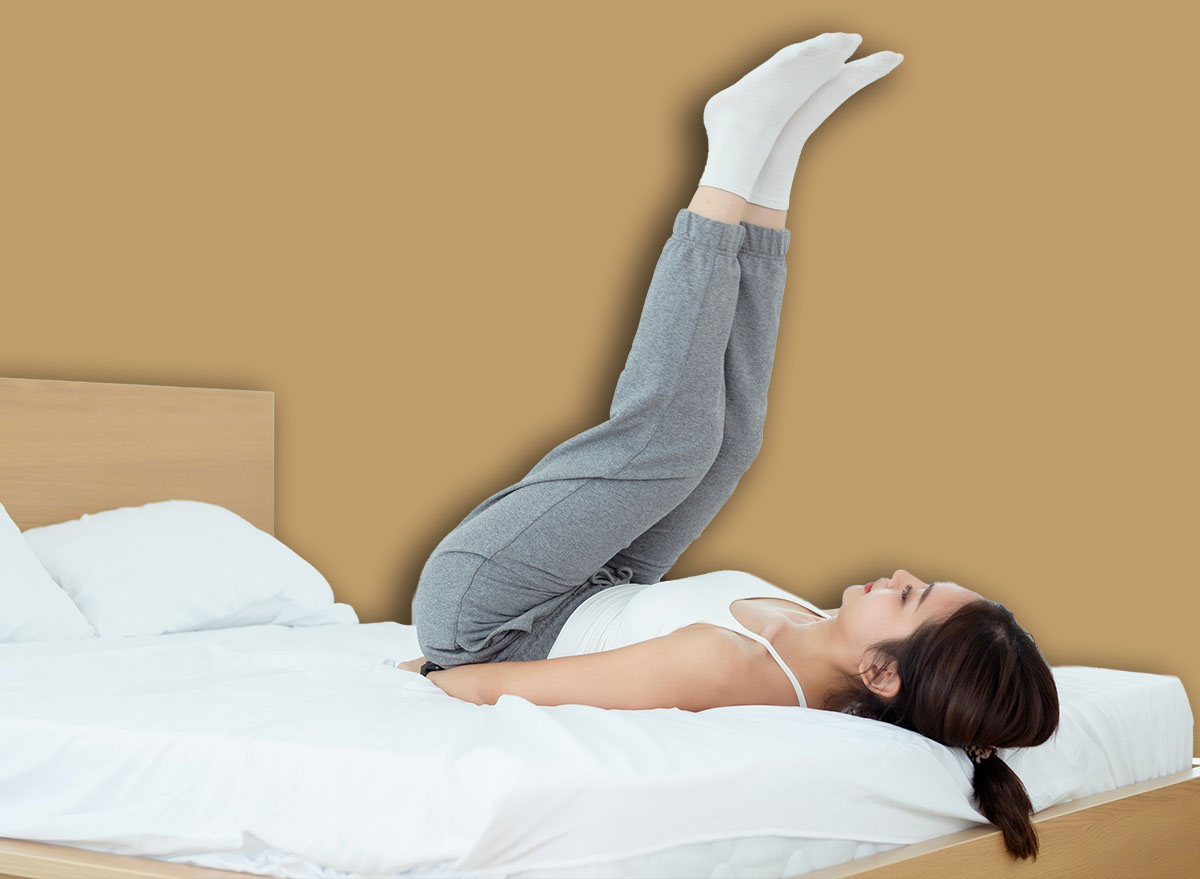
The first exercise, the Dead Bug, is a cornerstone for developing deep core stability. Often hailed by fitness professionals, this movement teaches the core to resist unwanted spinal motion while the limbs are in flux—a fundamental skill for everyday tasks like reaching, walking, or lifting. To execute, lie supine on the bed with knees bent and feet flat, arms extended towards the ceiling. Gently press the lower back into the mattress, engaging the deep abdominal muscles. From this position, slowly extend one arm overhead while simultaneously straightening the opposite leg towards the foot of the bed, ensuring the lower back remains stable and does not arch. Return to the starting position with control and alternate sides. This exercise is particularly effective at activating the transversus abdominis, the deepest abdominal muscle, which acts like a natural back brace. Variations include performing the movement with bent knees only or focusing on an even slower tempo to maximize muscle time under tension.
Following the Dead Bug, the Reverse Crunch targets the often-neglected lower portion of the abdominal wall. As we age, many individuals experience a weakening in this area, which can contribute to postural imbalances. Lying on your back with knees bent and feet flat, bring your knees towards your chest, lifting the hips slightly off the bed. The key is to initiate the movement by tilting the pelvis upward, using the lower abdominals, rather than swinging the legs or straining the neck. Return the feet to the bed slowly and deliberately, maintaining control. This exercise provides a clear, palpable contraction in the lower abs without the neck strain often associated with traditional crunches, making it ideal for consistent practice. Modifications can include keeping the knees bent throughout the entire range of motion or incorporating a brief pause at the peak of the contraction.
Next, the Russian Twist introduces a rotational element, engaging the oblique muscles—those on the sides of your torso. Strong obliques are vital for dynamic movements, offering stability during walking, turning, and maintaining balance. Begin by sitting on the bed with knees bent and feet flat, leaning back slightly to engage the core. Clasp your hands together or keep them gently at your chest. Rotate your torso from side to side, tapping your hands lightly on the bed beside your hips. The focus should be on controlled rotation originating from the core, not simply swinging the arms. As foundational core strength improves, more advanced individuals might lift their feet slightly off the bed for an increased challenge, or even hold a light weight. This exercise significantly contributes to overall trunk control and fosters better coordination.
Finally, the Supine Knee Tuck offers a comprehensive challenge to the entire abdominal wall while simultaneously reinforcing coordinated movement between the hips and core. Remaining in a supine position, with legs extended and arms resting by your sides, draw both knees towards your chest, simultaneously engaging your abdominals to lift your hips slightly. The movement should be fluid and controlled, feeling the deep abdominal muscles contract as you bring your knees in. Slowly extend your legs back to the starting position, ensuring the core remains engaged to prevent the lower back from arching excessively. This exercise builds core endurance and refines the ability of the midsection to remain stable through a broader range of motion, providing a strong stimulus within a short timeframe. For progression, consider performing single-leg knee tucks or incorporating a sustained hold at the top of the movement.
Beyond the specific exercises, true core resilience is cultivated through a holistic approach that integrates supportive daily habits. Consistent, quality effort in short bursts, coupled with mindful lifestyle choices, yields the most profound and lasting improvements, particularly for individuals over 55.

Nourishing Your Core: The Role of Diet and Hydration
Muscle repair and growth are inextricably linked to nutrition. Adequate protein intake is crucial for muscle synthesis, helping to counteract age-related muscle loss. Incorporate lean proteins such as chicken, fish, eggs, and plant-based sources like lentils and beans into your diet. Hydration is equally vital; water plays a critical role in muscle function, joint lubrication, and overall metabolic health. Aim for consistent water intake throughout the day to support tissue elasticity and nutrient transport. Furthermore, consuming a diet rich in anti-inflammatory foods—fruits, vegetables, whole grains, and healthy fats—can help reduce systemic inflammation, which can otherwise impede muscle recovery and contribute to discomfort.
Mindful Movement and Postural Awareness
The core is active in nearly every movement we make. Cultivating awareness of your posture throughout the day, whether sitting, standing, or lifting objects, can significantly reinforce core strength. Engage your core gently when performing daily tasks; imagine drawing your navel towards your spine. Avoid prolonged periods of inactivity; even short breaks to stand, stretch, or walk can stimulate core muscles and improve circulation. Simple acts like maintaining a neutral spine while seated or engaging your abdominals when reaching for something can transform everyday activities into opportunities for core engagement.
The Power of Breathwork
Often overlooked, proper diaphragmatic breathing is intimately connected to core stability. The diaphragm, a primary respiratory muscle, works in concert with the deep core muscles (transversus abdominis, pelvic floor, and multifidus) to create intra-abdominal pressure, which stabilizes the spine. Practicing deep, belly breaths—where your abdomen rises and falls rather than just your chest—can significantly enhance core function, reduce stress, and improve overall bodily awareness. Incorporate a few minutes of conscious diaphragmatic breathing into your daily routine.
Prioritizing Rest and Recovery
Muscles grow stronger during periods of rest, not just during exercise. Adequate sleep is paramount for muscle repair, hormonal balance, and energy restoration. Aim for 7-9 hours of quality sleep per night. Additionally, incorporating gentle stretching or mobility exercises on non-training days can improve flexibility, reduce stiffness, and prepare the body for subsequent workouts.
By consistently integrating this seven-minute supported core routine with these foundational daily habits, older adults can expect to experience a tangible improvement in their midsection strength, leading to better posture, enhanced balance, greater ease in daily movements, and a significantly improved quality of life. The journey to a stronger, more stable core is a continuous one, but with patience and persistent, mindful effort, the benefits are profound and enduring.
About the Author