A recent scientific investigation has cast new light on the intricate relationship between dietary patterns and extreme longevity, particularly for individuals in their ninth decade of life and beyond. Published in The American Journal of Clinical Nutrition, the research indicates that for adults aged 80 and older, a common dietary practice of abstaining from meat might correlate with a reduced likelihood of achieving a centenarian lifespan. This finding introduces a nuanced perspective into the broader discourse on healthy aging, suggesting that nutritional requirements may evolve significantly in the advanced stages of life.
The study, which meticulously tracked over 5,000 participants from China’s extensive Longitudinal Healthy Longevity Survey (CLHLS) between 1998 and 2018, observed a compelling trend. Those among the cohort who consistently excluded meat from their diets appeared less prone to reaching the age of 100 when compared to their counterparts who consumed meat. This outcome prompts a re-evaluation of general dietary recommendations, highlighting the potential for age-specific nutritional considerations that diverge from guidelines typically advocated for younger adult populations. The CLHLS itself is a monumental project, recognized globally for its comprehensive data on the health, functional abilities, and lifestyle factors of the oldest-old population in China, providing an invaluable resource for gerontological research. Its longitudinal design, spanning two decades, offers robust insights into the long-term impact of various factors on aging.
Initial reactions to such a finding might lean towards surprise, given the widespread emphasis on plant-forward diets for their well-documented benefits in mitigating chronic disease risks earlier in life. However, expert analysis suggests that this observation, while seemingly counter-intuitive at first glance, aligns with a deeper understanding of geriatric nutrition. As explained by registered dietitian Erin Palinski-Wade, the apparent anomaly dissipates upon closer examination of the study’s specific parameters. Crucially, the research indicated that this reduced probability of reaching 100 among non-meat eaters was predominantly observed in individuals who were also underweight. Furthermore, the correlation vanished entirely among those who, despite abstaining from meat, incorporated other animal products like eggs, dairy, or fish into their eating regimens. This distinction underscores the paramount importance of ensuring adequate protein and micronutrient intake, especially when confronting the physiological challenges inherent in extreme old age.

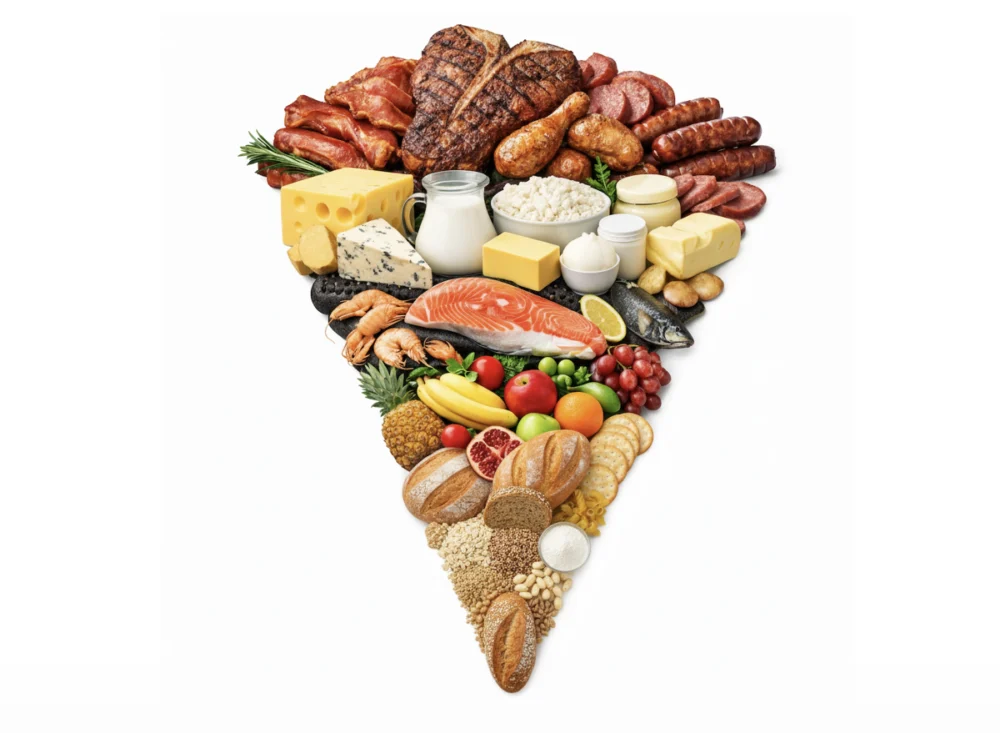
The evolving understanding of nutritional needs in older adults is also reflected in recent governmental dietary guidance. In a significant shift in January 2026, the U.S. Department of Health and Human Services introduced an updated, inverted food pyramid. This revised model prominently positioned high-quality, nutrient-dense protein sources, encompassing both animal and plant origins, alongside healthy fats at its apex. This strategic placement, which the department characterized as concluding the "war on protein," signals a renewed recognition of protein’s critical role across all life stages, particularly for maintaining health and vitality in later years. The updated guidelines specifically advocate for the prioritization of foods such as ground beef, steak, chicken, and fish, paired with healthy fats derived from whole foods like eggs, seafood, full-fat dairy, nuts, seeds, olives, and avocados.
This re-emphasis on protein and healthy fats directly supports the notion that diverse dietary sources are essential for comprehensive nutritional support, especially as individuals age. For the elderly, protein becomes increasingly vital for combating sarcopenia, the age-related loss of muscle mass and strength, which can significantly impair mobility, independence, and overall quality of life. Adequate protein intake is also crucial for maintaining bone density, supporting immune function, and facilitating wound healing—all common concerns in advanced age. The physiological changes associated with aging, such as reduced appetite, altered digestion, and decreased efficiency in protein synthesis, often necessitate a higher relative intake of protein compared to younger adults to meet these heightened demands.
The specific inclusion of fatty fish like salmon and mackerel in the updated governmental recommendations is particularly noteworthy. These fish are not only excellent sources of complete protein but are also rich in omega-3 fatty acids, specifically eicosapentaenoic acid (EPA) and docosahexaenoic acid (DHA). As detailed by institutions like the Mayo Clinic, these essential fatty acids play a crucial role in cardiovascular health by helping to lower triglyceride levels, reduce systemic inflammation, and prevent the accumulation of arterial plaque. Beyond cardiac benefits, omega-3s are increasingly recognized for their potential contributions to cognitive function and overall brain health, factors that become progressively important in the pursuit of healthy longevity.
Dairy products and eggs also emerge as significant components in a comprehensive diet for older adults. Dairy offers a potent combination of protein, calcium, and vitamin D, nutrients indispensable for preserving bone health and mitigating the risk of osteoporosis, a prevalent condition among the elderly. Eggs, meanwhile, are a nutritional powerhouse, providing high-quality protein, essential vitamins (including B12, crucial for nerve function and often deficient in older populations), and minerals, alongside choline, which is important for brain health. The study’s observation that non-meat eaters who included these items did not exhibit the same reduced longevity reinforces their value in a balanced senior diet.
It is imperative to underscore that these findings do not diminish the inherent value and numerous health benefits offered by a diet rich in plants and vegetables. Fruits, vegetables, legumes, and whole grains are abundant in fiber, vitamins, minerals, and antioxidants, all of which are fundamental for overall health and disease prevention. Rather, the research and the updated dietary guidelines advocate for a holistic approach to nutrition, one that acknowledges the unique metabolic and physiological shifts that accompany advanced aging. The key takeaway is the importance of dietary variety and the avoidance of unnecessarily eliminating major food groups, particularly for the very elderly. Strict dietary regimens, such as veganism, while potentially beneficial for some individuals, may present significant challenges for older adults if not meticulously planned and supplemented to ensure adequate intake of all essential macronutrients and micronutrients. Without careful consideration, such diets could inadvertently lead to deficiencies that undermine health and longevity in a vulnerable population.
In summary, for adults in their eighties and beyond, maintaining a healthy body weight and diligently meeting protein and micronutrient requirements should be a primary nutritional focus. This imperative holds even greater weight for individuals experiencing unintended weight loss or muscle atrophy. Expert guidance suggests that ensuring sufficient intake might necessitate the strategic inclusion or increased consumption of diverse protein sources, including fish, eggs, and dairy, alongside well-formulated, fortified plant proteins and appropriate dietary supplements. The global population is aging rapidly, with the number of centenarians projected to grow significantly in the coming decades. Understanding the specific nutritional strategies that support not just life extension, but healthy life extension, becomes increasingly critical. This latest research contributes meaningfully to that understanding, advocating for a pragmatic, adaptable, and nutrient-focused approach to dietary planning for the oldest members of our society, one that evolves to meet the distinct physiological demands of extreme longevity.
About the Author