Researchers at the National University of Singapore’s Yong Loo Lin School of Medicine have pinpointed a crucial protein that appears capable of rekindling the brain’s inherent capacity for generating new cells, a function that typically wanes with advancing age. The scientific community is abuzz with the implications of this discovery, detailed in a recent publication in the esteemed journal Science Advances. The focal point of their investigation is a specific type of protein known as a transcription factor, designated as cyclin D-binding myb-like transcription factor 1, or DMTF1. Transcription factors are fundamental molecular machinery within cells, acting as master switches that dictate which genes are activated or silenced, thereby controlling cellular identity and function.
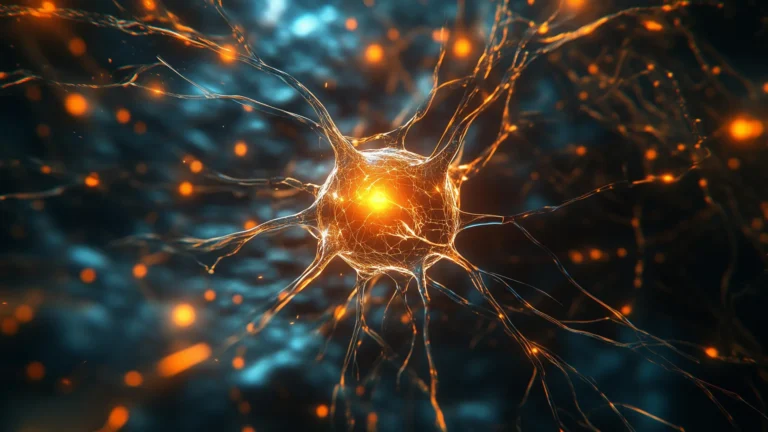
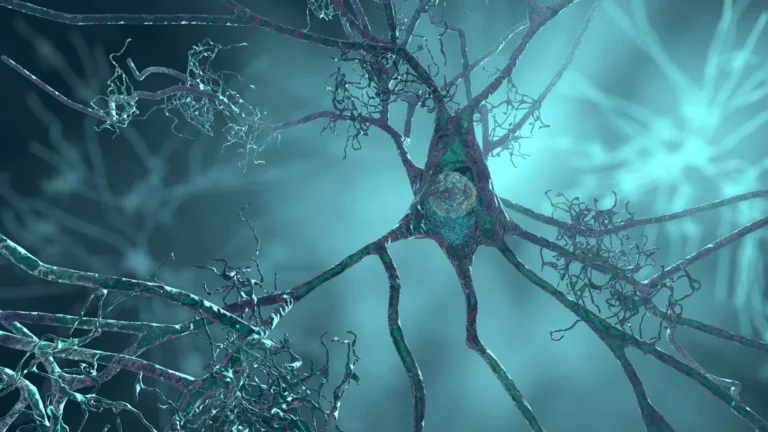
At the heart of cognitive processes such as learning and memory lies the remarkable ability of neural stem cells to differentiate and give rise to new neurons. These progenitor cells are the architects of neural plasticity and renewal. However, as the biological clock ticks forward, these vital stem cells undergo a gradual attrition of their regenerative potential, a phenomenon intrinsically linked to the observable decline in cognitive faculties often experienced in later life. Understanding the molecular underpinnings of this age-related stem cell senescence is therefore a paramount objective for gerontological research.
The groundbreaking study was spearheaded by Assistant Professor Ong Sek Tong Derrick, with Dr. Liang Yajing serving as the lead author, both affiliated with the Department of Physiology and the Healthy Longevity Translational Research Programme at NUS Medicine. The investigative team embarked on a mission to unravel the complex biological transformations that compromise the vitality of neural stem cells over time. Their ultimate ambition was to identify specific molecular targets that could be leveraged for the development of novel therapeutic interventions aimed at mitigating the effects of neurological aging.
To elucidate the precise role of DMTF1 in this process, the scientists meticulously examined neural stem cells sourced from both human donors and from laboratory-created models engineered to simulate the conditions of premature aging. Employing sophisticated techniques such as genome binding analysis and transcriptome profiling, they meticulously mapped the intricate ways in which DMTF1 influences gene expression patterns within these cells. A particular area of focus was the protein’s interaction with stem cells that exhibit signs of telomere dysfunction. Telomeres, often described as the protective caps at the ends of chromosomes, are known to shorten progressively with each cellular division, serving as a widely accepted biological marker of cellular aging.
The research team’s rigorous analysis yielded a significant observation: DMTF1 levels were found to be markedly diminished in neural stem cells classified as "aged." In a pivotal experiment, when the expression of DMTF1 was artificially restored to these senescent cells, they exhibited a remarkable resurgence in their regenerative capabilities, effectively regaining their capacity to proliferate and differentiate. This compelling finding strongly suggests that DMTF1 holds considerable promise as a therapeutic target for interventions designed to rejuvenate the compromised function of neural stem cells in the aging brain.
Delving deeper into the mechanistic underpinnings of DMTF1’s restorative effects, further investigation revealed that the protein orchestrates the activity of specific "helper" genes, namely Arid2 and Ss18. These genes play a critical role in modulating the structure of DNA, promoting a more relaxed configuration that allows genes associated with cellular growth and proliferation to become accessible and active. In the absence of these essential helper genes, neural stem cells are severely hampered in their ability to self-renew and maintain their population.
Assistant Professor Ong articulated the significance of these findings, stating, "Impaired neural stem cell regeneration has long been associated with neurological aging. Inadequate neural stem cell regeneration inhibits the formation of new cells needed to support learning and memory functions. While studies have found that defective neural stem cell regeneration can be partially restored, its underlying mechanisms remain poorly understood." He emphasized that a profound understanding of the mechanisms governing neural stem cell regeneration provides a more robust foundation for deciphering the complexities of age-related cognitive decline.
The implications of this research extend to the potential development of future therapeutic strategies aimed at decelerating the aging process of the brain. The findings strongly indicate that interventions designed to augment DMTF1 levels or enhance its intrinsic activity could offer a viable pathway to reversing or at least delaying the functional decline of neural stem cells that accompanies aging.
While the current body of evidence is predominantly derived from in vitro experiments, the research team is already charting a course for future investigations. Their next steps involve examining whether artificially boosting DMTF1 can lead to an increase in the number of neural stem cells and, crucially, improve learning and memory performance in models experiencing both natural aging and conditions characterized by telomere shortening. A critical consideration in these future studies will be to ensure that such interventions do not inadvertently elevate the risk of brain tumor formation. Looking further ahead, the long-term aspiration of the research group is to identify specific small molecules that possess the capacity to safely stimulate DMTF1 activity, thereby offering a targeted approach to rejuvenating aging neural stem cells.
Dr. Liang echoed this sentiment, remarking, "Our findings suggest that DMTF1 can contribute to neural stem cell multiplication in neurological aging. While our study is in its infancy, the findings provide a framework for understanding how aging-associated molecular changes affect neural stem cell behavior, and may ultimately guide the development of successful therapeutics." This research represents a significant stride in unraveling the intricate tapestry of brain aging and offers a beacon of hope for future interventions aimed at preserving cognitive vitality throughout the lifespan. The identification of DMTF1 as a key regulator in this process opens new avenues for therapeutic exploration, promising a more nuanced and targeted approach to combating age-related neurological decline. The study underscores the intricate molecular dialogue that governs cellular health and function, highlighting the potential of harnessing endogenous cellular mechanisms for the promotion of longevity and well-being.
About the Author