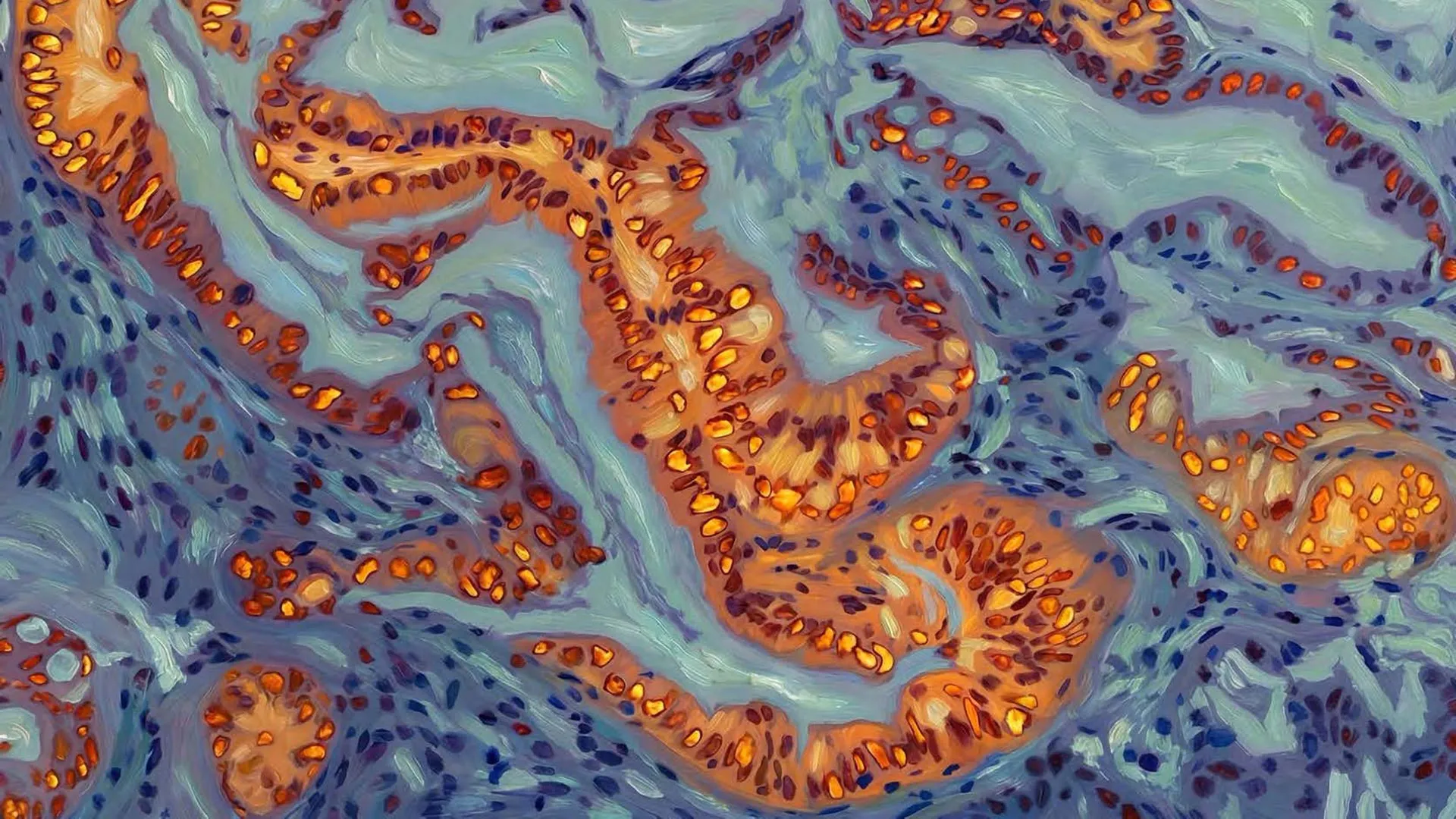
Researchers at Duke-NUS Medical School have illuminated a fundamental biological control point that dictates whether pancreatic cancer cells succumb to or defy conventional chemotherapy treatments. This groundbreaking discovery points toward a potential strategy to re-sensitize notoriously stubborn tumors, making them more amenable to existing therapeutic agents. The intricate molecular process, detailed in a recent publication in the Journal of Clinical Investigation, offers a deeper understanding of why pancreatic cancer remains such a formidable adversary and suggests novel avenues for enhancing patient outcomes by strategically combining different therapeutic approaches.
Pancreatic cancer stands as one of the most lethal malignancies globally, presenting a significant public health challenge. In Singapore, while not the most frequently diagnosed, it tragically ranks as the fourth leading cause of cancer-related mortality. A primary reason for its grim prognosis lies in the often-late presentation of symptoms, coupled with the limited efficacy of current treatment modalities. For many patients, chemotherapy represents the primary, and often only, recourse, yet its benefits are typically marginal, offering little more than a modest extension of life or symptomatic relief. The inherent difficulty in treating this disease stems from the complex biology of the cancer itself, which has been further elucidated by scientific inquiry over the past decade. This research has identified distinct molecular subtypes of pancreatic cancer, broadly categorized as classical and basal. Tumors classified as classical exhibit a more organized cellular architecture and are generally more responsive to therapeutic interventions. In stark contrast, basal subtype tumors are characterized by a chaotic cellular structure, a more aggressive growth pattern, and a pronounced resistance to chemotherapy.
Crucially, the cellular landscape of pancreatic cancer is not static; it is a dynamic environment where cells possess a remarkable degree of flexibility. This phenomenon, known as cancer cell plasticity, allows tumor cells to transition between these subtypes. A tumor initially exhibiting characteristics of the more treatable classical subtype can, over time, acquire traits of the aggressive basal subtype, thereby developing resistance to therapies that were once effective. This inherent adaptability is a major hurdle in developing consistently successful treatment regimens.
The recent work by the Duke-NUS team centers on the pivotal role of a gene known as GATA6. This gene acts as a crucial regulator, instrumental in maintaining pancreatic cancer cells within the more ordered and less aggressive classical state. When GATA6 is expressed at high levels, it promotes a more structured tumor growth pattern, significantly increasing the likelihood of a positive response to chemotherapy. Conversely, a decline in GATA6 levels triggers a loss of this cellular organization, leading to increased tumor aggression and a marked reduction in sensitivity to standard chemotherapeutic drugs. Professor David Virshup, the lead author of the study and a prominent figure in Duke-NUS’s Programme in Cancer & Stem Cell Biology, articulated the significance of this finding: "We have understood for some time that pancreatic cancer cells possess the ability to shift between these two distinct states. However, the precise molecular machinery driving this transition remained elusive. Our identification of the pathway that actively suppresses GATA6 provides a much clearer understanding of how tumors acquire resistance, and more importantly, offers a potential mechanism to reverse that process."
The investigation traced the origins of this critical cellular switch to a cascade of intracellular signaling events, initiated by the KRAS gene. Mutations in KRAS are virtually ubiquitous in pancreatic cancers, acting as a perpetual driver of tumor development by constantly transmitting growth signals. These signals are then relayed through a critical intermediary protein, ERK. The hyperactivation of the ERK signaling pathway plays a direct role in protecting another protein that actively hinders the production of GATA6. Consequently, as GATA6 levels diminish, pancreatic cancer cells lose their structural integrity, morphing into the more aggressive basal subtype and consequently becoming substantially less susceptible to the effects of chemotherapy. Through rigorous genetic screening, detailed molecular analyses of cancer cells, and experimental drug interventions, the research team conclusively demonstrated that inhibiting the KRAS-ERK pathway effectively dismantles this suppressive mechanism. This blockade allows GATA6 levels to rebound, prompting cancer cells to revert to their more organized, classical state and regain their sensitivity to chemotherapy.
Further investigations revealed that elevated GATA6 levels, independent of other interventions, intrinsically enhance the responsiveness of pancreatic cancer cells to therapeutic agents. When drugs designed to inhibit the KRAS-ERK pathway were administered concurrently with standard chemotherapy, a synergistic effect was observed, resulting in significantly amplified anti-cancer activity compared to either treatment alone. This enhanced therapeutic benefit, however, was contingent upon the presence of GATA6, underscoring its central importance in determining which patients might derive the greatest advantage from such combination therapies. These findings provide a robust scientific rationale for the observed phenomenon where patients with higher GATA6 expression often exhibit better responses to specific chemotherapy regimens. Moreover, this work lays a critical foundation for ongoing clinical trials that are actively exploring novel therapeutic strategies targeting the KRAS and related signaling pathways. Professor Lok Sheemei, Duke-NUS’s Interim Vice-Dean for Research, emphasized the clinical relevance: "Pancreatic cancer continues to pose one of the most formidable challenges in oncology. Our findings offer a mechanistic explanation for the poor response of many tumors to chemotherapy and present a rational strategy for integrating targeted therapies with established drug treatments."
The implications of this discovery may extend far beyond the realm of pancreatic cancer. A multitude of other cancers are similarly driven by KRAS mutations, and these malignancies often exhibit comparable shifts in cellular behavior and therapeutic responsiveness. A comprehensive understanding of the mechanisms governing cancer cell transitions between different states could unlock new therapeutic strategies for combating treatment resistance across a broader spectrum of cancer types. Professor Patrick Tan, Dean and Provost’s Chair in Cancer and Stem Cell Biology at Duke-NUS, commented on the broader impact: "This research exemplifies how fundamental scientific exploration can yield actionable insights into the complex problem of treatment resistance. By deciphering the mechanisms by which cancer cells alter their state, we are equipped with a more strategic framework for designing effective combination treatments." Duke-NUS Medical School, renowned internationally for its excellence in medical education and pioneering biomedical research, consistently bridges fundamental scientific breakthroughs with practical applications, aiming to improve health outcomes both within Singapore and on a global scale.
About the Author