The pursuit of graceful aging often brings with it a focus on maintaining physical capabilities, with hip health frequently emerging as a central concern. Many individuals over the age of sixty who experience a sensation of stiffness or limited movement in their hips instinctively reach for stretching routines, believing that increased flexibility is the primary antidote. However, contemporary understanding in exercise science, particularly concerning age-related physiological changes, increasingly points towards a more profound underlying issue: muscular weakness rather than mere inflexibility. As the human body matures, a natural decline in muscle mass and strength, known as sarcopenia, can significantly impact crucial muscle groups such as the glutes and various hip stabilizers. When these foundational muscles diminish in power and endurance, surrounding musculature often overcompensates, tightening in an effort to provide the necessary stability. This compensatory tension then manifests as the very stiffness and restricted mobility that people mistakenly attribute solely to a lack of elasticity. The true deficit, in many cases, lies in inadequate joint stability and compromised force production, making targeted strength development a far more effective intervention than passive lengthening.
A robust body of scientific evidence supports this shift in perspective. A comprehensive meta-analysis published in 2023, synthesizing findings from multiple studies, unequivocally identified resistance training as the most potent strategy for enhancing hip function among older adults. This research underscores a critical paradigm shift for those seeking to preserve or reclaim their agility and ease of movement in later life. The benefits of fortifying the gluteal muscles, in particular, extend far beyond just feeling less stiff. Stronger glutes have been empirically linked to significant improvements across several vital metrics for senior well-being. Studies have demonstrated their capacity to boost walking speed, a key indicator of overall physical health and independence. Furthermore, enhanced gluteal strength contributes substantially to better balance, a crucial factor in preventing falls, which represent a leading cause of injury and disability among the elderly. By building a solid foundation of muscular strength, individuals can not only alleviate discomfort but also proactively safeguard their long-term mobility and autonomy.
James Bickerstaff, a certified personal trainer at OriGym, emphasizes this critical distinction. "Cultivating strength in the gluteal region, the outer hips, and the intricate network of stabilizing muscles provides far more enduring benefits for long-term mobility than solely engaging in passive flexibility work," Bickerstaff explains. He further elaborates on the cascade of positive effects, noting, "Robust hip strength offers crucial support to the lower back, refines gait mechanics, and effectively mitigates compensatory strain that might otherwise be placed upon the knees." This expert perspective reinforces the idea that true, lasting hip health is less about achieving extreme ranges of motion through stretching and more about ensuring the musculature surrounding the hip joint is strong enough to perform its essential roles of support, movement, and protection.
The aging process inherently brings certain physiological transformations that make strength training particularly pertinent. Beyond sarcopenia, bone density can decrease, and connective tissues may become less resilient. Engaging in resistance exercises not only combats muscle loss but also stimulates bone growth, contributing to skeletal integrity. Furthermore, strengthening the muscles around the hip creates a natural brace, reducing the load on cartilage and ligaments, thereby potentially slowing the progression of degenerative joint conditions. Unlike stretching, which primarily focuses on lengthening muscle fibers, strength training builds their capacity to generate force, absorb impact, and maintain postural alignment. This active engagement translates directly into improved functional performance in everyday tasks, from rising from a seated position to navigating uneven terrain, thereby profoundly impacting an individual’s quality of life and confidence.
For individuals over 60, incorporating specific, targeted exercises into a daily routine can be transformative. These movements are carefully selected not only for their efficacy in building hip strength but also for their functional relevance, mirroring activities encountered in daily life. Consistency and correct form are paramount, and consulting with a healthcare professional or a certified trainer before embarking on any new exercise regimen is always advisable to ensure safety and personalization.
Here are five foundational exercises, championed by experts like James Bickerstaff, that prioritize strength restoration over passive flexibility for superior hip health:
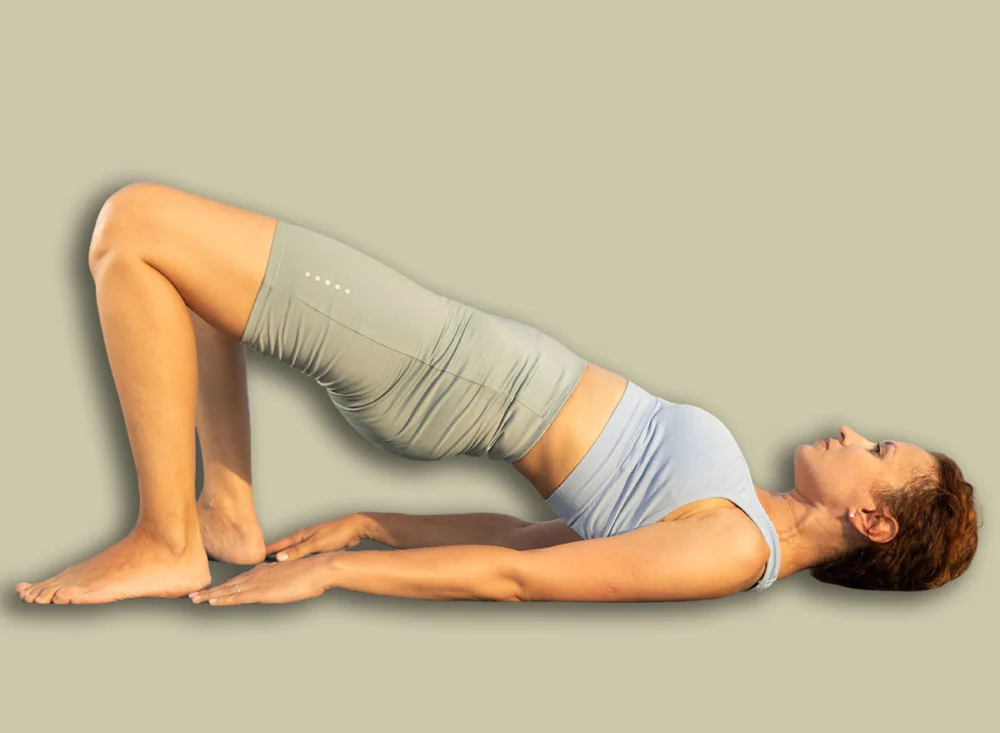
1. Glute Bridges: This foundational exercise specifically targets the gluteus maximus, a large and powerful muscle often weakened by prolonged periods of sitting and reduced physical activity common in older age. The glutes are instrumental in hip extension, crucial for propulsion during walking, and play a vital role in stabilizing the pelvis and protecting the lumbar spine. Performing glute bridges safely helps to re-establish this essential hip extension strength, improving posture and reducing lower back discomfort. By activating these key posterior chain muscles, individuals build a stronger base for all upright activities.
2. Sit-to-Stands: Far more than a simple movement, the act of transitioning from a seated to a standing position is a fundamental marker of functional independence for older adults. This exercise engages a complex interplay of muscles, including the glutes, quadriceps, and various hip flexors and extensors, while simultaneously challenging balance and coordination. Regularly practicing sit-to-stands not only strengthens the entire lower body but directly translates to increased confidence and autonomy in daily routines, such as getting out of a chair, sofa, or even a car. It is a highly practical movement that directly reinforces the strength needed for independent living.
3. Step-ups: Mimicking the common everyday action of climbing stairs or stepping onto a curb, step-ups are an exceptionally effective dynamic exercise for bolstering hip strength and power. This unilateral movement—meaning one leg works independently at a time—enhances leg strength, improves dynamic balance, and develops the explosive power necessary for overcoming obstacles. Unlike static stretching, step-ups engage the muscles through a full range of motion under load, building both strength and muscular endurance. This functional approach to strengthening directly improves an individual’s capacity to navigate varying environments with greater ease and reduced risk of stumbling.
4. Standing Hip Abductions: The strength of the outer hip muscles, primarily the gluteus medius and minimus, is absolutely critical for maintaining pelvic stability during locomotion. These muscles prevent the pelvis from tilting excessively when walking, ensuring a smooth and efficient gait. Weakness in these lateral hip stabilizers is a common contributor to balance issues and an increased risk of falls, particularly sideways falls. Standing hip abductions specifically target these muscles, building the necessary strength to stabilize the pelvis and improve walking mechanics in ways that stretching alone cannot achieve.
5. Clamshells: This exercise specifically activates the deep hip rotators and abductors, muscles often difficult to engage with broader movements or simple stretches. These often-overlooked deep stabilizers are paramount for precise pelvic control and play a significant role in mitigating undue stress on both the knees and the lower back. By strengthening these intrinsic hip muscles, individuals can improve the overall stability of the hip joint, correct muscular imbalances, and reduce the likelihood of pain or injury in adjacent areas of the body. Clamshells offer a targeted approach to fortifying the core of hip stability.
In conclusion, while flexibility certainly holds its place in a comprehensive wellness strategy, the prevailing evidence strongly advocates for a prioritized focus on strength training, particularly for the hip complex, among adults over 60. By understanding that stiffness often signals weakness, and by proactively engaging in targeted resistance exercises, individuals can achieve far more than just temporary relief from discomfort. They can cultivate lasting improvements in mobility, enhance their balance, significantly reduce their risk of falls, and ultimately secure a more vibrant, independent, and fulfilling later life. The journey toward optimal hip health in aging is not merely about stretching limits, but about building enduring strength.
About the Author