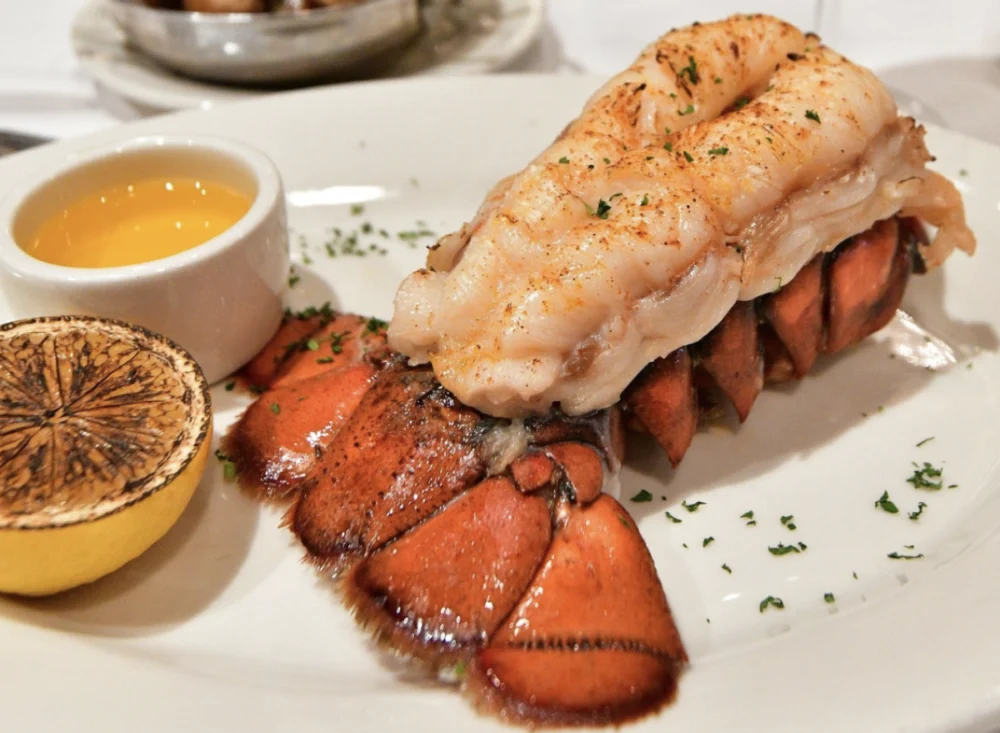
The culinary landscape is witnessing a notable shift, where once-exclusive dining experiences are becoming increasingly attainable for the average consumer. Lobster, long regarded as a quintessential luxury item synonymous with high-end dining and celebratory occasions, is now featuring prominently on the menus of several national restaurant chains at surprisingly accessible price points. This trend challenges traditional perceptions of premium seafood, offering diners the opportunity to savor tender, succulent lobster tails without the exorbitant cost typically associated with such an indulgence. This phenomenon reflects a broader democratization of fine dining, driven by evolving consumer preferences, strategic menu engineering, and the robust purchasing power of large restaurant groups.
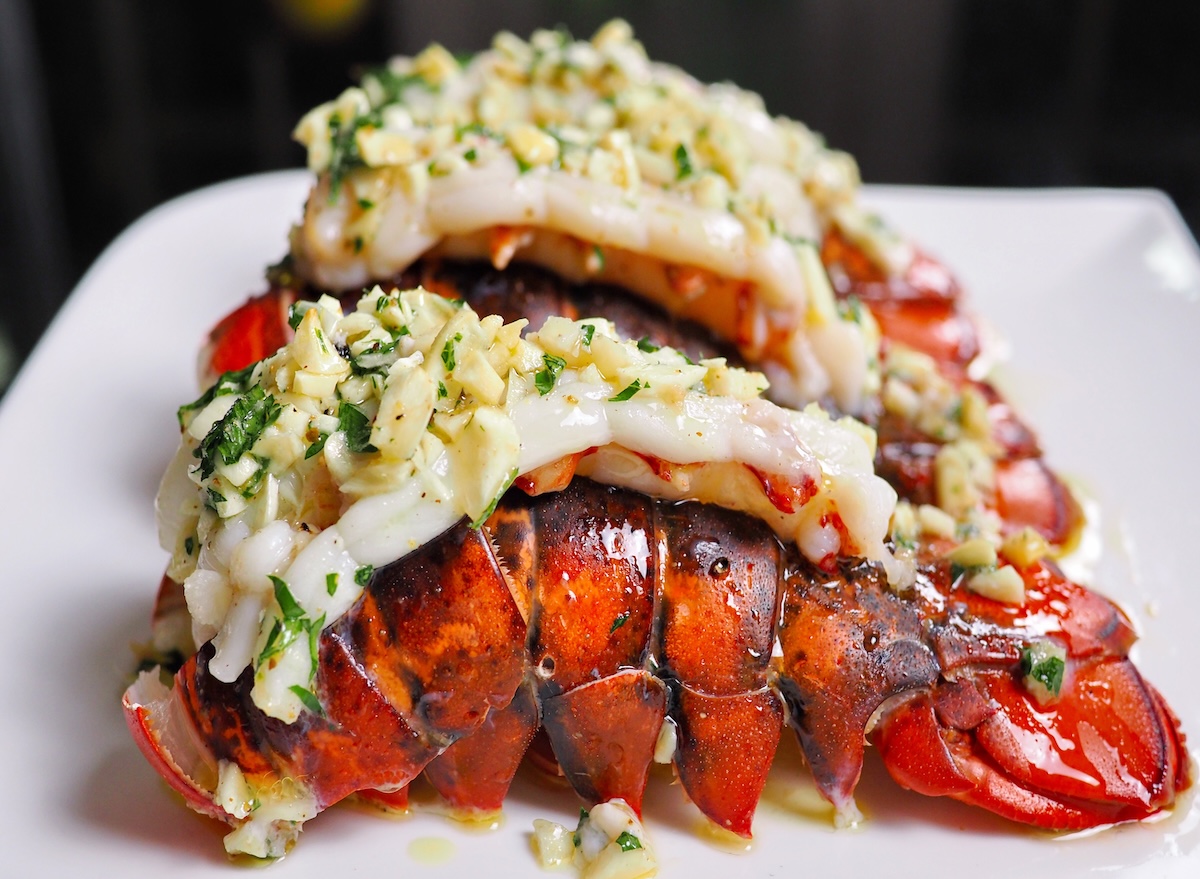
Historically, lobster’s status as a delicacy was cemented by its relative scarcity, the labor-intensive process of harvesting, and complex distribution networks that kept prices high. It was a dish reserved for special occasions or the affluent, a symbol of opulence on white tablecloths. However, contemporary market dynamics and innovative approaches by major restaurant players are gradually dismantling these barriers. By leveraging efficient supply chains, volume purchasing, and carefully curated menu placements, these establishments are successfully bridging the gap between aspirational dining and everyday affordability. This means that a delectable lobster tail, whether as a standalone offering or a luxurious complement to another dish, is now within reach for many, often priced below $30.
Several factors contribute to this newfound accessibility. Large restaurant chains benefit significantly from economies of scale. Their ability to purchase immense quantities of seafood directly from suppliers or through specialized distributors allows them to negotiate more favorable prices than independent establishments. Furthermore, advancements in freezing and transportation technologies ensure that fresh-caught lobster can be processed and delivered efficiently to locations across the country, maintaining quality while minimizing waste and cost. Many chains also strategically position lobster tails as an "add-on" item to a primary entrée, such as steak, rather than a full standalone meal. This approach allows them to offer a smaller, more manageable portion at a lower price point, enhancing the perceived value of the overall dining experience without committing to the higher cost of a larger, full-sized lobster dish. It encourages diners to upgrade their meal, boosting the average check size for the restaurant while providing a taste of luxury for the customer.
The competitive nature of the casual dining and steakhouse segments also plays a crucial role. In a crowded market, restaurants constantly seek unique selling propositions to attract and retain customers. Offering premium items like lobster at an attractive price can serve as a powerful differentiator, drawing in patrons who might otherwise view such dishes as unattainable. This strategy also aligns with a growing consumer desire for value without compromising on quality or experience. Diners are increasingly savvy, seeking out establishments that deliver both culinary satisfaction and financial prudence.
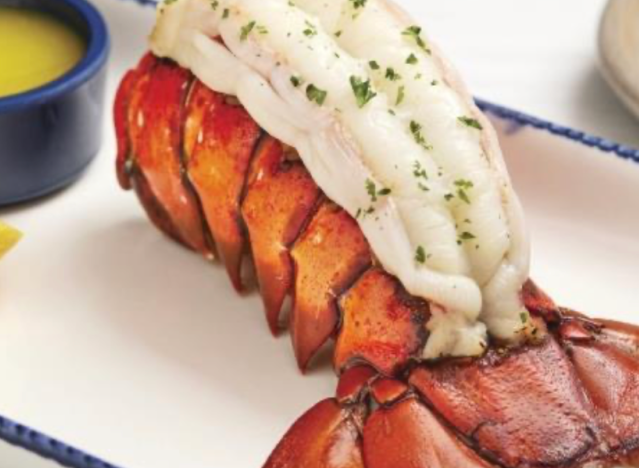
Among the prominent names leading this charge is Red Lobster, a brand synonymous with seafood for American families for decades. Known for its commitment to making seafood broadly available, Red Lobster has consistently featured lobster prominently on its menu. The chain’s annual "Lobsterfest" event, for instance, has become a cultural touchstone, celebrating the crustacean in various preparations and often introducing new, innovative dishes. For those seeking an individual taste of this classic seafood, Red Lobster offers a Classic Maine Lobster Tail for $18.99. This allows patrons to enjoy the quintessential preparation, served simply with lemon and melted butter, highlighting the natural sweetness and tender texture of the lobster. Beyond the single tail, the menu extends to creative options like the Lobster Flatbread, which combines Maine and langostino lobster with mozzarella, parmesan, fresh tomatoes, and sweet basil for a lighter, flavorful bite. While some larger combinations, such as the Surf & Turf Maine Lobster Tail & 7 oz. Sirloin, exceed the $30 threshold at $36.99, the availability of an individual tail at a budget-friendly price underscores Red Lobster’s enduring mission to offer premium seafood experiences to a wide audience. The restaurant’s legacy is built on providing accessible seafood, and its current offerings continue to uphold that tradition, ensuring that the allure of lobster remains within reach for casual diners.
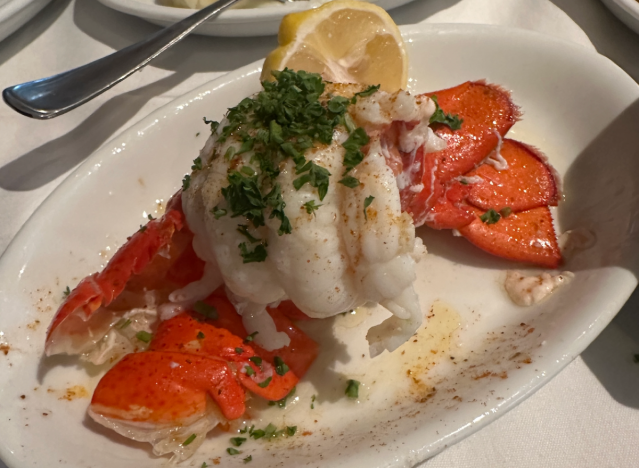
Another surprising contender in the affordable lobster arena is Fogo de Chão, a Brazilian steakhouse celebrated for its churrasco experience, where an endless parade of various cuts of fire-roasted meats are carved tableside. While primarily a destination for meat lovers, Fogo de Chão recognizes the appeal of complementing its robust protein offerings with a delicate seafood option. Their Butter-Bathed™ Lobster Tail, priced at $20, offers a tender and flavorful addition to the traditional churrasco meal. This particular preparation emphasizes the richness and succulence of the lobster, making it a compelling upgrade for diners looking to diversify their plate beyond the array of meats. Furthermore, Fogo de Chão introduces a savory Lobster Mac & Cheese, crafted with their signature Butter-Bathed™ lobster, a rich cheese sauce, and a panko crust. This side dish transforms a familiar comfort food into an elevated experience, showcasing how lobster can be integrated into different culinary contexts while maintaining its luxurious appeal. The strategy here is not to make lobster the main event but to offer it as an enhancement, allowing guests to customize their lavish dining journey with a touch of oceanic elegance at a reasonable supplementary cost.
Even high-end establishments like Morton’s The Steakhouse, typically known for its premium cuts of beef and sophisticated ambiance, are embracing the trend of making lobster more accessible. Morton’s, a name synonymous with upscale steakhouse dining, features a Cold-Water Lobster Tail on its menu for $27. This offering primarily functions as a luxurious accompaniment to their signature steaks. The inclusion of a "cold-water" lobster tail is significant, as these are often prized for their superior flavor and texture compared to warm-water varieties. By positioning it as an add-on, Morton’s allows diners to elevate their steak experience with a touch of seafood indulgence without committing to the higher price point of a full lobster entrée that might be found at other luxury seafood restaurants. The chain has even highlighted this offering on social media, emphasizing its appeal as an attractive option for diners. Customer testimonials frequently praise the quality of the lobster, underscoring that even at a more modest price, the esteemed steakhouse maintains its high standards. This approach by Morton’s demonstrates a strategic move to broaden its appeal, allowing more patrons to experience a taste of its premium offerings without breaking the bank, perhaps encouraging future visits for more elaborate dining.
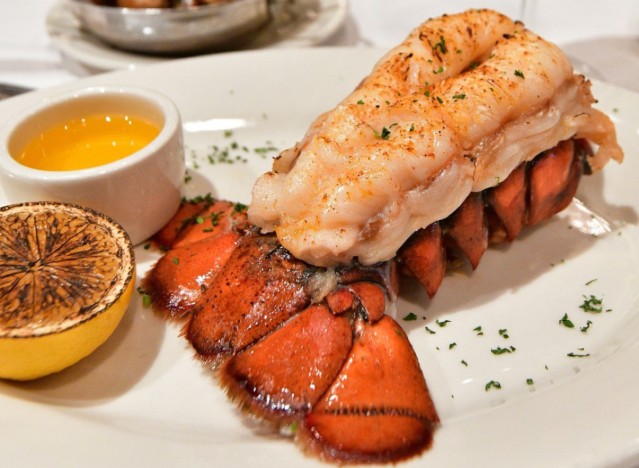
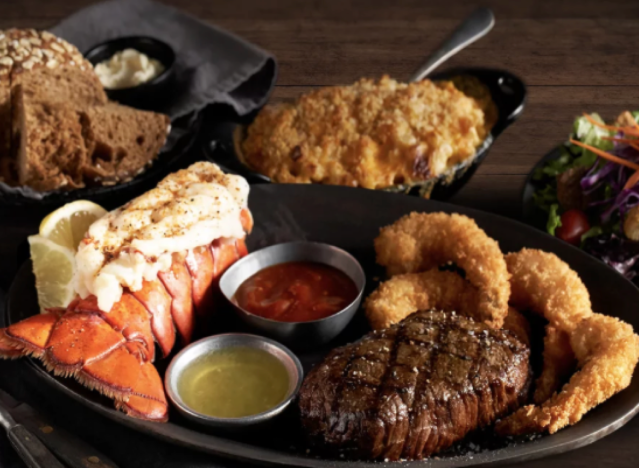
Black Angus Steakhouse presents another compelling option for budget-conscious lobster enthusiasts. This Western-themed steakhouse chain is renowned for its hearty portions and value-driven meals, making it a natural fit for offering an affordable lobster experience. Their Steak & Lobster Trio, priced at $29.99, represents exceptional value by combining multiple protein sources into a single, satisfying meal. This trio includes a 6 oz top Sirloin, a 4 oz Lobster Tail, and four Crispy Fried Shrimp, accompanied by a choice of two classic side dishes. This comprehensive offering is designed to appeal to diners seeking a diverse and fulfilling meal that features both land and sea. The inclusion of a lobster tail within such a robust combination at under $30 is a testament to Black Angus’s commitment to providing generous portions and perceived luxury at an accessible price point. Feedback from diners often highlights the impressive value, noting the quality of the lobster alongside the steak and shrimp, making it a popular choice for those looking for a complete and satisfying meal without an extravagant expense.
Finally, Smith & Wollensky, another venerable name in the upscale steakhouse segment, also offers surprising accessibility to lobster lovers. Known for its classic American steakhouse experience, this chain provides several lobster options that cater to different preferences and budgets. A Maine Lobster Tail can be added to any steak for $21, presenting a similar value proposition to Morton’s by allowing diners to personalize their meal with a premium seafood component. This flexibility empowers guests to tailor their dining experience, adding a touch of elegance without the necessity of ordering a full, high-priced seafood entrée. Beyond the add-on, Smith & Wollensky also features a popular Lobster Roll and a more elaborate Surf & Turf for Two, which includes an 18 oz. filet mignon paired with twin Maine lobster tails, served with garlic butter and chimichurri. While the Surf & Turf for Two would exceed the $30 individual price point, the availability of the single Maine Lobster Tail add-on at $21 demonstrates the chain’s recognition of the demand for accessible luxury. Patrons frequently commend the quality and taste of their lobster offerings, reinforcing the idea that premium experiences can indeed be delivered at varied price points.
The increasing availability of affordable lobster tails at national restaurant chains signifies more than just a menu offering; it represents a significant evolution in the dining industry. It reflects a growing understanding that luxury can be democratized through smart sourcing, strategic pricing, and innovative menu design. For consumers, this trend means that indulging in the rich flavor and delicate texture of lobster no longer requires a significant financial outlay or a visit to an exclusive establishment. Instead, it has become an accessible pleasure, an everyday luxury that can elevate a casual meal into a memorable culinary experience. As these chains continue to refine their offerings and adapt to consumer demand, the future of dining promises even more opportunities for patrons to enjoy premium ingredients without the premium price tag, reshaping our perceptions of what constitutes an affordable indulgence.
About the Author