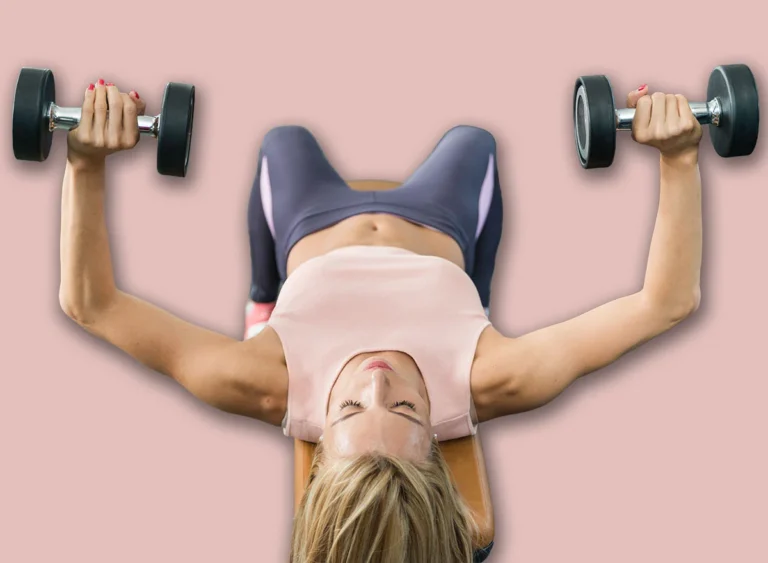
As individuals navigate the landscape of aging, maintaining physical vitality and a healthy body composition becomes an increasingly deliberate endeavor. For those over the age of 55, the pursuit of fitness often shifts from purely aesthetic goals to a holistic focus on functional strength, metabolic resilience, and disease prevention. While general physical activity and group fitness classes offer numerous benefits, a growing body of expert opinion and scientific research suggests that a more specialized regimen, particularly one centered on resistance training, is critical for addressing specific physiological changes associated with later life, such as the accumulation of abdominal fat and the decline in muscle mass. This targeted approach is not merely about appearance; it underpins crucial aspects of long-term health and independence.
The human body undergoes significant transformations with age, a process exacerbated by sedentary lifestyles. One of the most notable changes is sarcopenia, the progressive and generalized loss of skeletal muscle mass and strength. This decline typically accelerates after the fifth decade, leading to a reduced basal metabolic rate (BMR), making it easier to gain fat and harder to lose it. Compounding this, fat distribution often shifts, with a greater propensity for visceral fat accumulation around internal organs in the abdominal cavity. Visceral fat is not merely an aesthetic concern; it is metabolically active and linked to an increased risk of chronic conditions such as type 2 diabetes, cardiovascular disease, and certain cancers. Therefore, any effective fitness strategy for this demographic must directly counter these age-related physiological shifts.
Conventional wisdom often steers individuals towards cardiovascular exercises for fat loss. However, while aerobic activity is undeniably important for heart health and calorie expenditure, it frequently falls short in providing the specific anabolic stimulus required to build and preserve muscle mass, particularly in older adults. Group exercise settings, while fostering community and motivation, may also lack the individualized progressive overload necessary to truly challenge muscles for growth and strength gains. Without this specific stimulus, the body’s metabolic machinery, largely driven by muscle tissue, remains less efficient. Scientific investigations consistently highlight the profound impact of maintaining muscle mass in midlife and beyond, underscoring its pivotal role in sustaining metabolic health, enhancing recovery processes, and optimizing overall physical function. The judicious selection of exercises, therefore, emerges as a more impactful factor than simply the duration spent in a gym.
This understanding forms the bedrock of recommendations from certified personal trainers who specialize in healthy aging. James Bickerstaff, a certified personal trainer at OriGym, emphasizes a morning routine composed of five distinct movements. These exercises are not random selections but rather strategically chosen compound movements that integrate strength, stability, and a degree of intensity to foster an internal environment conducive to strengthening the core and reducing fat around the waistline. Unlike the often-misleading notion of "spot reduction," which purports that one can lose fat from a specific body part by exercising it, the objective here is to increase overall muscle mass. This increase in lean tissue naturally elevates resting energy expenditure, leading to a gradual, systemic reduction in body fat, including that stored in the abdominal region. Moreover, developing the underlying core musculature creates a firmer, more defined midsection.
Let us delve into the five exercises Bickerstaff recommends, exploring their unique benefits and how they contribute to a comprehensive strategy for older adults:
1. Dumbbell Deadlifts
The deadlift, in its various forms, stands as a foundational movement for building full-body strength and functional capacity. For older adults, the dumbbell deadlift offers a highly accessible yet profoundly effective way to engage multiple large muscle groups simultaneously, specifically targeting the glutes, hamstrings, and the entire posterior chain (muscles along the back of the body). Strengthening these areas is paramount for improving posture, which can indirectly influence the appearance of the midsection by promoting a more upright stance. Beyond aesthetics, robust posterior chain strength is crucial for everyday activities like lifting objects, walking, and maintaining balance, thereby significantly reducing the risk of falls. From a metabolic perspective, working such large muscle groups elicits a substantial calorie burn during and after the workout, contributing to overall fat loss. When performed correctly, with a strong emphasis on core bracing, the deadlift also intensely activates the deep abdominal muscles, enhancing core stability and definition. Modifications, such as using lighter dumbbells or performing Romanian deadlifts (RDLs) with less knee bend, can make this exercise suitable for various fitness levels.
2. Incline Push-Ups
While the traditional push-up can be challenging, the incline push-up offers a scalable solution that effectively builds upper body strength while engaging the core. This compound movement primarily strengthens the chest (pectorals), shoulders (deltoids), and triceps. Maintaining upper body strength is vital for performing daily tasks such as pushing open doors, reaching overhead, or getting up from a seated position. A key benefit often overlooked is the profound core engagement required to maintain a rigid, plank-like position throughout the movement. By actively bracing the anterior core muscles—the muscles at the front of the abdomen—during the press, individuals can contribute to pulling the abdominal wall inward, enhancing its tone and supporting better posture. The adjustability of the incline (using a wall, sturdy table, or bench) allows for progressive overload as strength improves, making it adaptable for nearly everyone.
3. Box Steps (Step-Ups)
Box steps, or step-ups, are an exceptional unilateral exercise, meaning they work one leg at a time. This is particularly beneficial for older adults as it helps address muscular imbalances between the left and right sides of the body and significantly enhances balance and coordination—critical components for fall prevention. The movement itself strengthens the quadriceps, glutes, and hamstrings, improving lower body power and endurance. Moreover, the rhythmic nature of stepping up and down elevates the heart rate, providing a cardiovascular benefit alongside strength development. Functionally, step-ups mimic everyday movements like climbing stairs or stepping onto a curb, directly translating to improved independence and mobility. Starting with a low, stable platform and gradually increasing height or adding light dumbbells can provide effective progression.
4. Mountain Climbers
Mountain climbers are a dynamic, full-body exercise that simultaneously targets core strength and cardiovascular fitness. Performed in a plank position, this movement requires the abdominal muscles to stabilize the spine vigorously with each knee drive towards the chest. This intense engagement strengthens the entire core musculature, including the rectus abdominis, obliques, and transverse abdominis, while also improving muscular endurance. The continuous, rapid leg movement also provides a significant cardiovascular challenge, boosting heart rate and calorie expenditure. For older adults, mountain climbers offer a way to incorporate higher intensity bursts, which can be beneficial for metabolic health, provided proper form is maintained. Modifications, such as performing them at a slower pace or with hands elevated on a bench, can make them accessible while still delivering benefits.
5. Kettlebell Swings
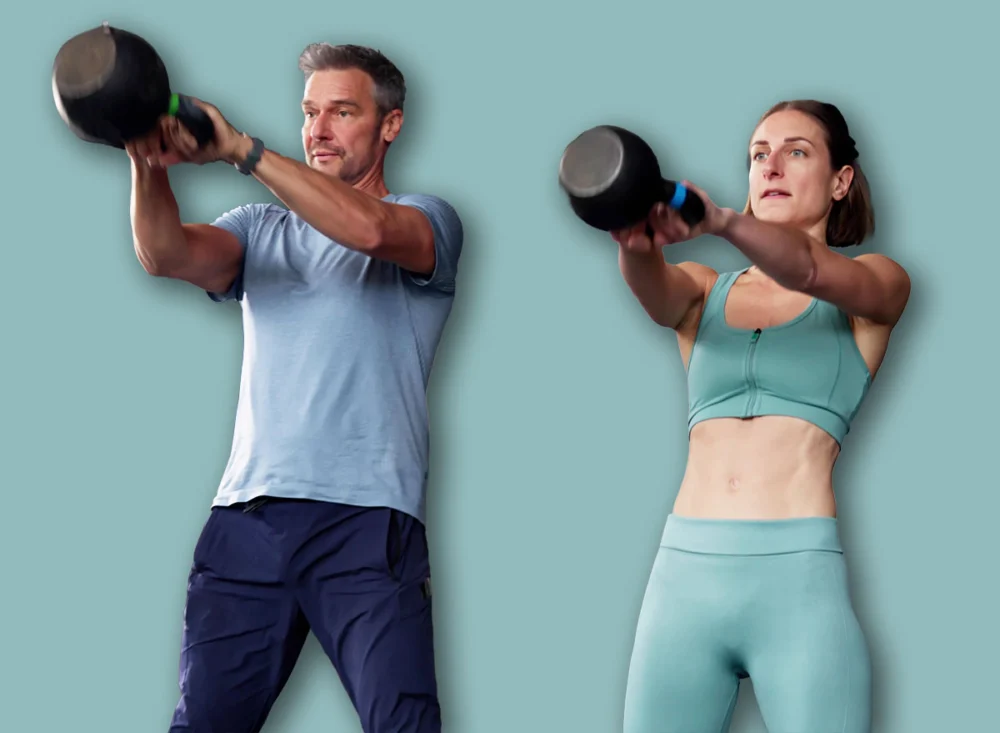
Kettlebell swings are an explosive, ballistic exercise that masterfully blends strength training with cardiovascular conditioning. This movement is a powerful tool for developing the posterior chain, particularly the glutes and hamstrings, through a dynamic hip-hinge action. The explosive nature of the swing helps to cultivate power, a quality often diminished with age but crucial for functional activities like quickly standing up from a chair or avoiding a fall. The rapid, continuous motion elevates the heart rate significantly, providing a potent metabolic stimulus that contributes to overall fat loss and improved cardiovascular endurance. Because it engages the entire body, from the grip to the core to the powerful hip drive, kettlebell swings are highly efficient. However, due to its explosive nature, proper form and a gradual progression with weight are essential to prevent injury and maximize benefits.
Implementing these five exercises consistently, approximately two to three days per week, can initiate a cascade of positive physiological changes. This routine helps create the hormonal and muscular environment necessary to improve body composition, specifically by increasing muscle tone and reducing visceral fat around the abdomen. Beyond the visible changes, the benefits extend to enhanced metabolic health, improved functional independence, greater balance, and a reduced risk of falls, all contributing to a higher quality of life in the golden years. As with any new exercise program, individuals over 55 should consult with a healthcare professional to ensure these movements are appropriate for their specific health status and fitness level. By prioritizing thoughtful, resistance-based exercise, older adults can actively sculpt a healthier, stronger future.
About the Author