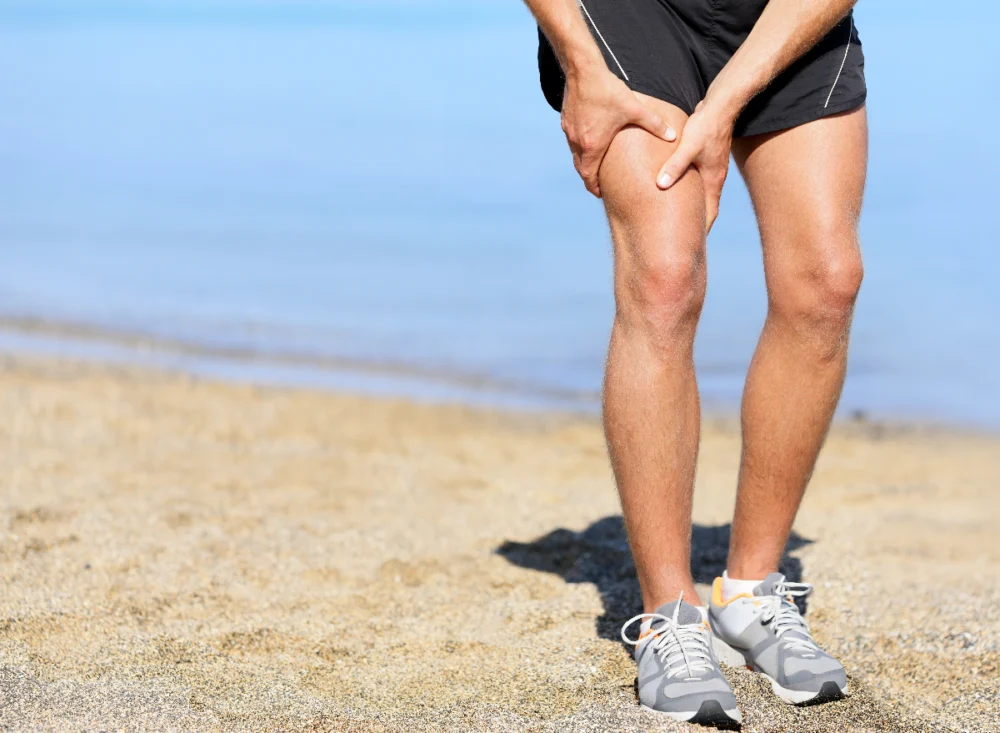
As individuals progress through their later decades, the preservation of physical mobility emerges as a paramount factor influencing independence and overall quality of life. Maintaining a robust range of motion and muscular suppleness is not merely about performing athletic feats; it directly underpins the ability to navigate daily activities with ease, mitigate injury risks, and sustain an active, self-reliant lifestyle. While many associate aging with an inevitable decline in physical capabilities, experts emphasize that proactive attention to flexibility can significantly counteract these effects, providing a crucial advantage for adults over the age of sixty.
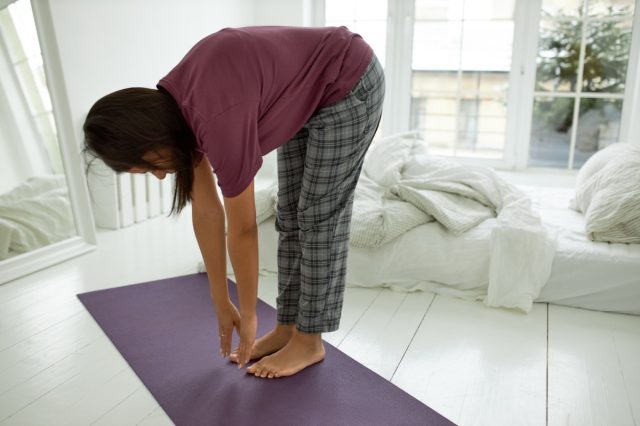
The seemingly simple act of reaching down to touch one’s toes serves as a remarkably insightful barometer of an individual’s comprehensive bodily function, particularly for those in their senior years. This fundamental movement, often taken for granted in youth, becomes a telling indicator of joint health, muscle elasticity, and neuromuscular coordination later in life. Achieving this benchmark after the age of sixty suggests a level of flexibility that surpasses many peers, signaling a well-maintained physical system.

Brandt Passalacqua, a Certified-International Association of Yoga Therapists (C-IAYT) director at Breathing Deeply Yoga Therapy, highlights the foundational nature of the toe touch. He explains that it requires a synchronous effort from an extensive network of bodily tissues, encompassing the fascial lines extending from the feet up to the head, alongside the coordinated action of muscles in the feet, calves, hamstrings, and the entire back. Crucially, it also necessitates the ability to articulate effectively at the hip joint. Passalacqua cautions that any deficiency in the range of motion or length within these interconnected areas often leads to compensatory movements, which are a primary precursor to injuries. This perspective underscores that the toe touch is far more than a simple stretch; it is a complex biomechanical assessment.
Denise Chakoian, a certified fitness trainer and owner of Core Cycle and Fitness LaGree in Rhode Island, expands on this concept, asserting that the capacity to touch one’s toes post-sixty offers a comprehensive glimpse into the operational efficiency of the entire body. She clarifies that when one extends forward to reach the floor, the entire posterior chain – an interconnected group of muscles including the hamstrings, glutes, lower back, and calves – must engage and function harmoniously. This same posterior chain is indispensable for a multitude of everyday actions, from retrieving an item from the ground to entering or exiting a vehicle, or even recovering balance during an unexpected stumble. Chakoian draws a direct parallel: if this essential chain demonstrates stiffness or limited mobility in a structured fitness evaluation, it reflects a similar functional impairment in the routine demands of daily living.
The posterior chain’s integrity is particularly critical in the context of fall prevention, a significant health concern for older adults. Falls represent the leading cause of injury among individuals over sixty, often resulting in serious fractures, head trauma, and a subsequent loss of independence. A rigid or compromised posterior chain can substantially elevate this risk. Flexibility plays a pivotal, albeit often unacknowledged, role in reaction time and the body’s ability to respond swiftly to sudden shifts in balance. While not consciously considered during routine movements, the body’s reliance on this inherent responsiveness becomes acutely apparent in moments of crisis.
Beyond the purely physical mechanics, Chakoian introduces a crucial neurological dimension to flexibility. She notes that achieving and maintaining flexibility involves a "brain component," wherein the nervous system must develop trust in a particular movement, rather than simply requiring muscles to be sufficiently long. This highlights the intricate communication pathways between the brain and the body. Sustaining flexibility as one ages is therefore about preserving these vital neural connections, ensuring that the brain can effectively command and coordinate complex movements. Chakoian argues that while certain fitness tests might be "gamed," the toe touch assessment offers an uncompromising evaluation of this integrated mind-body function.
The natural aging process brings with it a host of physiological changes that can diminish flexibility. These include a decrease in muscle mass (sarcopenia), a reduction in the water content of connective tissues, and a stiffening of collagen fibers, all of which contribute to reduced elasticity in muscles, tendons, and ligaments. Joints can also become less lubricated and their cartilage may thin, further restricting movement. These changes collectively impact the posterior chain, making activities that require hip flexion and spinal articulation increasingly challenging. Addressing these age-related declines through consistent flexibility training is therefore not merely beneficial but essential for proactive health management.
To maintain the crucial mobility of the posterior chain, a conscious and consistent effort is required. The muscles, joints, and connective tissues within this system are collectively responsible for fundamental movements such as ascending stairs, walking, rising from a seated or prone position, and effectively regaining composure after an accidental trip or slip. Chakoian emphasizes that when these components cease to operate synergistically, the body inevitably resorts to compensatory movements. These compensations, while seemingly harmless in the short term, impose undue stress on other areas of the body, gradually accumulating "hidden wear" that, over decades, can lead to chronic pain and debilitating injuries. Therefore, fostering mobility in this chain is not about achieving peak athletic performance, but about preserving the body’s natural mechanics and reducing cumulative stress.

For those aiming to improve their ability to perform a forward fold or toe touch, proper technique is paramount to maximize benefit and minimize risk. Chakoian advises initiating flexibility work from a seated forward fold position, whether on a chair or the floor. This modification allows for the full stretching benefits of the exercise without the added challenge of maintaining balance, which can be particularly advantageous for older adults or those with balance concerns. She strongly recommends mastering this seated variation before progressing to a standing forward fold, ensuring a solid foundation of flexibility and understanding of the movement.
A critical form cue involves hinging predominantly from the hips, rather than rounding the lower back. It is a common inclination to flex the lumbar spine excessively during a forward bend, but this places undue strain on the discs and surrounding structures. Instead, individuals should visualize pushing their hips backward as they fold forward, akin to closing a car door with the backside. This action correctly shifts the stretch and effort into the hamstrings, where it is intended, while simultaneously safeguarding the spinal column. Furthermore, maintaining "soft knees" – a slight, gentle bend – is not an indication of weakness or "cheating." On the contrary, a subtle knee bend facilitates proper pelvic tilt, allowing for a deeper and safer stretch in the hamstrings and relieving compressive forces on the lower back.
Breathing techniques also play an integral role in effective stretching. Deep, controlled breathing can significantly enhance flexibility and relaxation. Individuals should consciously breathe into each stretch, using the exhalation as an opportunity to deepen the movement and release tension a little further. Allowing the breath to guide the stretch promotes relaxation in the muscles and connective tissues, facilitating greater range of motion over time.

While pursuing improved flexibility, it is crucial to remain vigilant for "red flags" that indicate potential harm. Any sharp, shooting pain, or any sensation that radiates down the leg, such as numbness or tingling, should prompt an immediate cessation of the exercise. Similarly, if dizziness or lightheadedness occurs, the movement should be stopped. While a mild pulling sensation or general discomfort within the targeted muscles is a normal part of stretching and indicates the tissues are lengthening, actual pain is a distinct signal. As Chakoian aptly puts it, "Pain is information – and it’s telling you to back off." Disregarding these warning signs can lead to injury, making a gradual, mindful approach to flexibility training essential for long-term health and mobility. Consulting a physical therapist or a certified yoga therapist can provide personalized guidance, especially for those with pre-existing conditions or significant limitations.
In conclusion, the ability to perform a simple toe touch in one’s later years transcends a mere measure of flexibility; it is a holistic indicator of an individual’s biomechanical health, neuromuscular coordination, and proactive approach to aging. By understanding the profound role of the posterior chain, the interplay between muscles and the nervous system, and by adhering to proper form and safety guidelines, older adults can actively cultivate and preserve their functional mobility. This dedication to maintaining elasticity and range of motion is a cornerstone of injury prevention, sustained independence, and an enduringly vibrant quality of life.
About the Author