The humble hot dog, a quintessential American culinary icon, has long been a staple at barbecues, ballparks, and family dinners. Historically, the category was often associated with ambiguous ingredients, leading to a consumer perception of "mystery meat." However, the modern food landscape has undergone a significant transformation, driven by a heightened demand for transparency, quality ingredients, and value. Today’s discerning shoppers are increasingly seeking frankfurters crafted from real beef, without the expectation of an exorbitant price tag. This shift has inspired numerous brands, from established national names to burgeoning private labels, to deliver genuine quality and flavor that remains accessible to those mindful of their grocery budgets. The days of compromising on taste or ingredient integrity simply to save a few dollars are rapidly becoming a relic of the past, as a robust selection of economical, all-beef hot dog options now populates supermarket shelves.
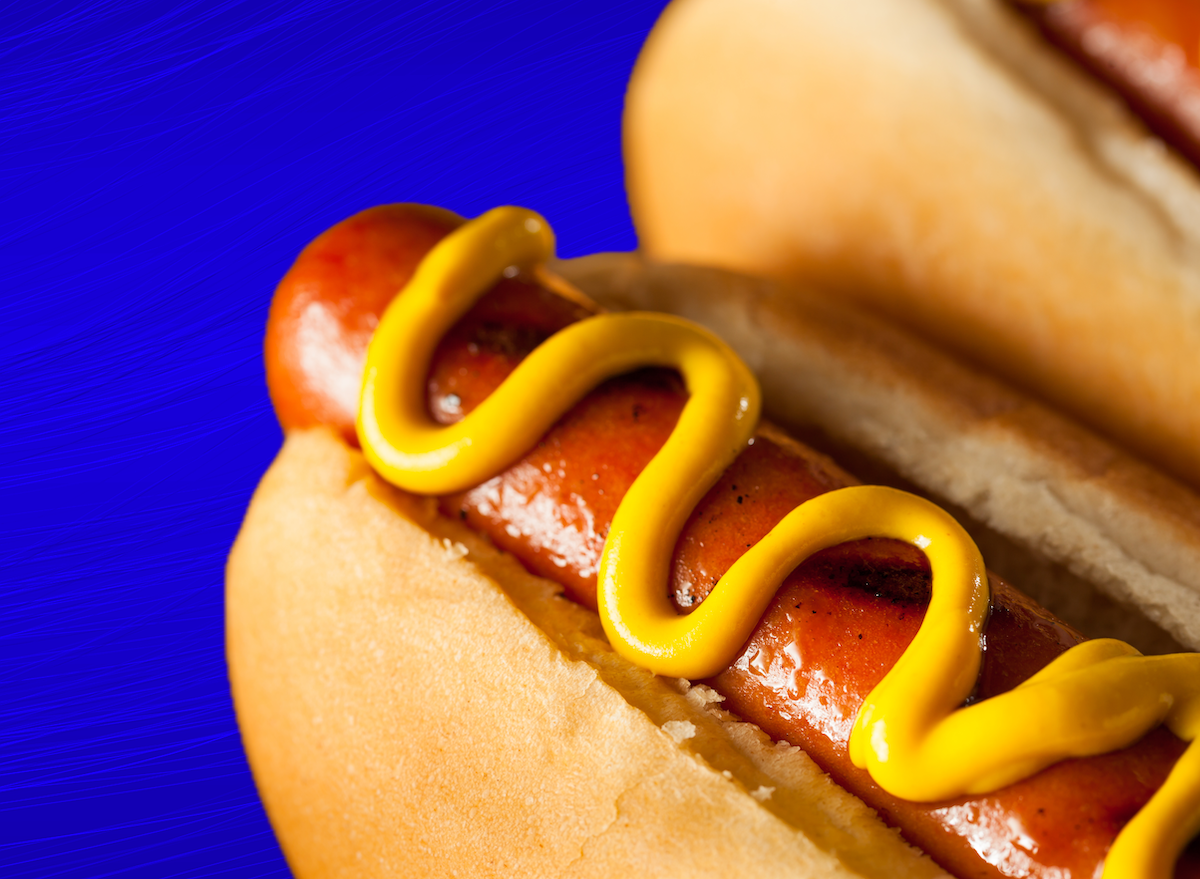
The evolution of the hot dog from its European roots, particularly the German frankfurter and Viennese wiener, into an American cultural touchstone is fascinating. Early iterations in the United States, especially during the industrialization of food production, sometimes relied on less desirable cuts of meat or fillers, contributing to the "mystery meat" stereotype. This perception, while largely outdated for many reputable brands, still lingers in the collective consciousness. Consequently, the term "all-beef" has become a powerful marketing and quality assurance signal for consumers, signifying a product made exclusively from beef, adhering to specific U.S. Department of Agriculture (USDA) standards. These regulations dictate that an "all-beef" hot dog must contain only beef, water, curing agents, and seasonings, with no by-products or extenders.
Beyond the "all-beef" designation, consumers are also increasingly paying attention to curing processes. "Cured" hot dogs traditionally involve the use of sodium nitrite, which contributes to their characteristic pink color, distinct flavor, and acts as a preservative against bacterial growth. "Uncured" hot dogs, conversely, do not use synthetic nitrites or nitrates. Instead, they typically rely on naturally occurring nitrates found in ingredients like celery powder or sea salt, which are then converted into nitrites by bacterial cultures during processing. This distinction resonates with health-conscious consumers who prefer to minimize their intake of synthetic additives. The availability of both cured and uncured all-beef options within an affordable price range further underscores the industry’s responsiveness to diverse consumer preferences.
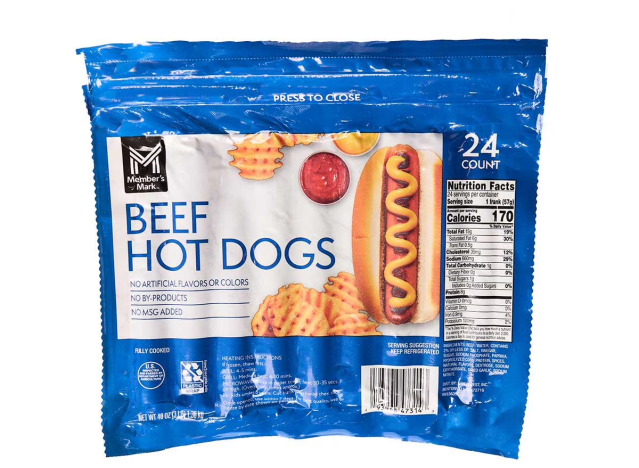
The emergence of private label brands from major retailers and warehouse clubs has played a pivotal role in democratizing access to high-quality, real beef hot dogs at competitive prices. These store brands leverage vast purchasing power and streamlined supply chains to offer products that often rival or even surpass national brands in quality, but at a fraction of the cost. This strategy benefits consumers directly, providing premium ingredients without the premium price tag typically associated with extensive marketing and distribution networks of national brands.
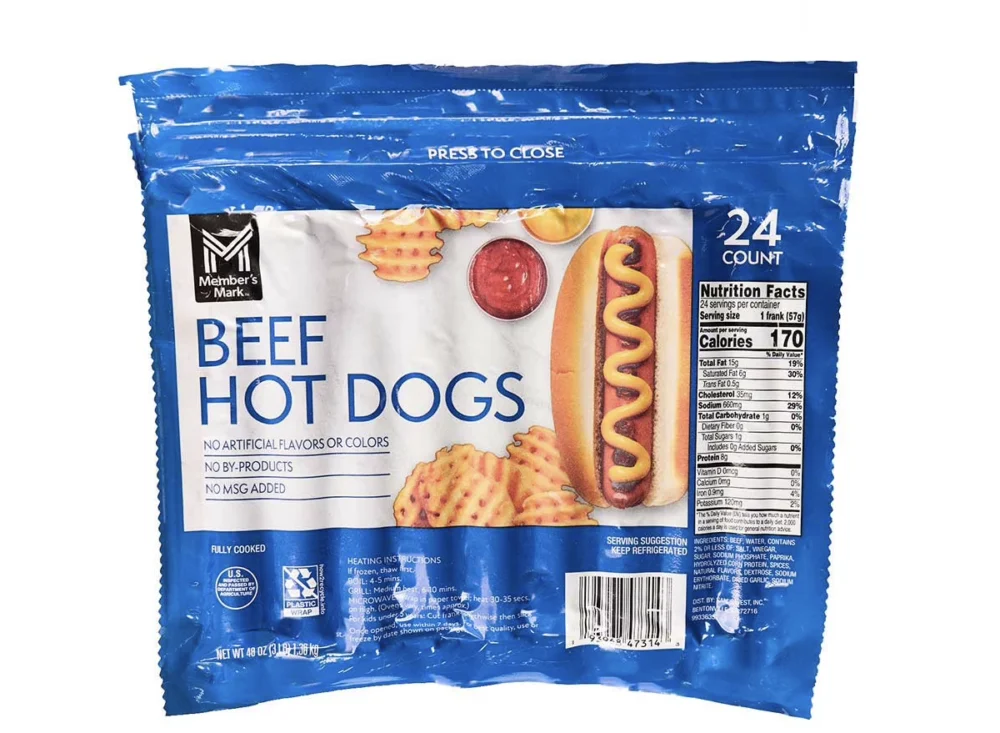
Member’s Mark Beef Hot Dogs from Sam’s Club exemplify this trend. Positioned as a value-driven bulk option, these hot dogs consistently earn high marks from shoppers for both their robust flavor and their ability to brown beautifully during cooking, a characteristic often sought after in a quality frankfurter. The sheer volume available in a typical Member’s Mark package—often 24 two-ounce links—makes them an ideal choice for large family gatherings, events, or simply stocking up a freezer. While specific pricing varies by warehouse location, the brand’s reputation for delivering substantial quality at a wholesale price point remains a key draw for its membership base.
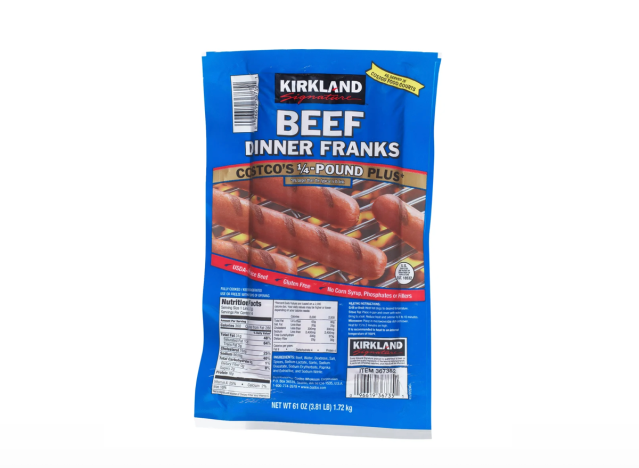
Similarly, Kirkland Signature Beef Dinner Franks from Costco stand as a testament to the success of private label branding. Costco’s Kirkland Signature line is renowned for its high standards across various product categories, and their beef franks are no exception. These hot dogs, frequently lauded for their superior taste, are often cited by consumers as preferable to many well-known national brands, including long-standing market leaders. The iconic $1.50 hot dog and soda combo offered at Costco’s food courts has further cemented the brand’s association with exceptional value and consistent quality, serving as a powerful, real-world endorsement of the Kirkland Signature product line. Shoppers appreciate the generous size, often marketed as "1/4 lb plus," which provides a satisfying meal experience at an unbeatable price point, reflecting the broader Costco philosophy of bulk savings.
Beyond the warehouse clubs, established national brands have also adapted to meet the demand for affordable, all-beef options, often through strategic pricing, promotions, and diverse product offerings.
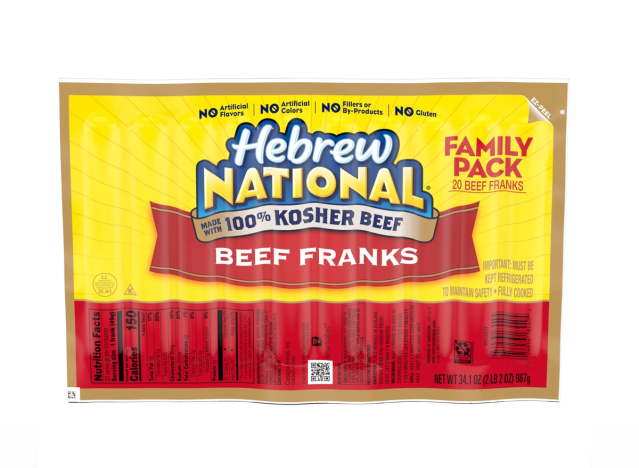
Hebrew National Beef Franks are a prime example of a brand that has successfully merged a premium image with broad accessibility. Known for its strict adherence to kosher dietary laws, the brand famously declares, "We Answer to a Higher Authority," implying a commitment to quality and purity that resonates with a wide consumer base, not just those seeking kosher products. This assurance of quality, derived from the use of 100% kosher beef and strict processing standards, has cultivated a loyal following. While often perceived as a premium brand, Hebrew National frequently offers larger "family packs" and participates in sales, making its superior flavor and texture available at highly competitive prices, particularly at retailers like Walmart where a 20-count package can be found for a very reasonable cost. Consumers often express that while gourmet options exist, Hebrew National strikes an optimal balance between taste, availability, and affordability.
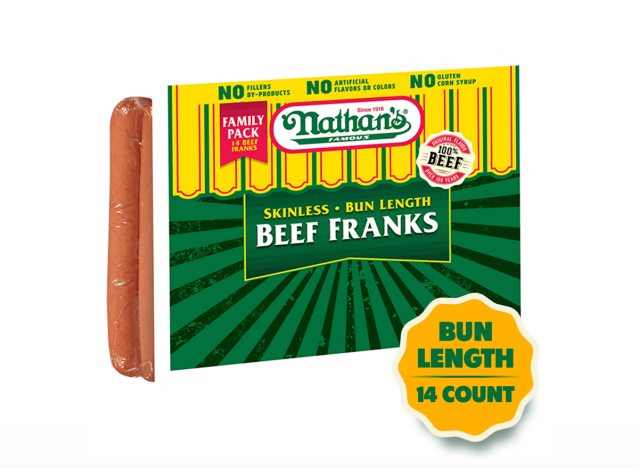
Another iconic name, Nathan’s Famous Skinless Beef Franks, carries with it a rich heritage dating back to its Coney Island origins. Synonymous with American hot dog culture and the legendary annual eating contest, Nathan’s has maintained a strong brand identity centered on its distinctive, savory flavor profile. The "skinless" aspect contributes to a smooth texture that many consumers prefer. Despite its legendary status, Nathan’s franks remain widely available and are frequently featured in promotional pricing, making them an accessible indulgence. Shoppers consistently praise their robust taste and quality, with some even enjoying them straight from the refrigerator, a testament to their inherent deliciousness. At retailers like Walmart, a 14-count bun-length package can represent significant value, especially when on sale.
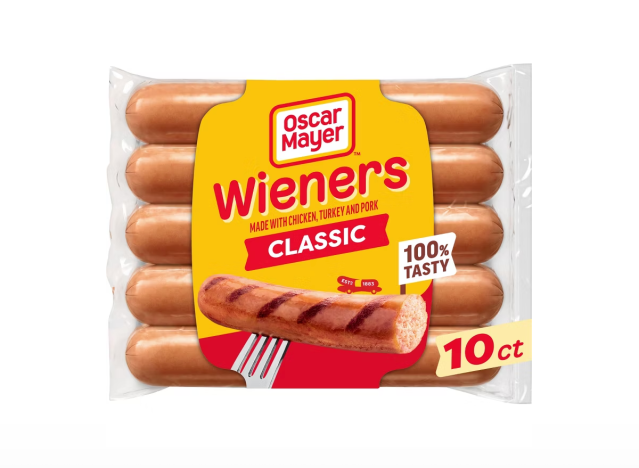
Oscar Mayer Classic Beef Franks represent another household name that has consistently delivered a reliable, all-beef hot dog experience. A staple in American kitchens for generations, Oscar Mayer has built its reputation on familiarity and consistent quality. The "Classic Beef Franks" are specifically formulated to contain 100% beef, explicitly stating the absence of fillers or by-products, addressing a key consumer concern. These franks are known for their juicy texture and balanced flavor, making them a go-to choice for families seeking an affordable, dependable hot dog. Priced competitively, often around $7.99 for a pack of 10, they remain one of the most budget-friendly options that do not compromise on the fundamental expectation of an all-beef product.
Beyond the mainstream, specialty retailers have also carved out niches by offering all-beef hot dogs that align with specific lifestyle and dietary preferences, all while maintaining an emphasis on value.
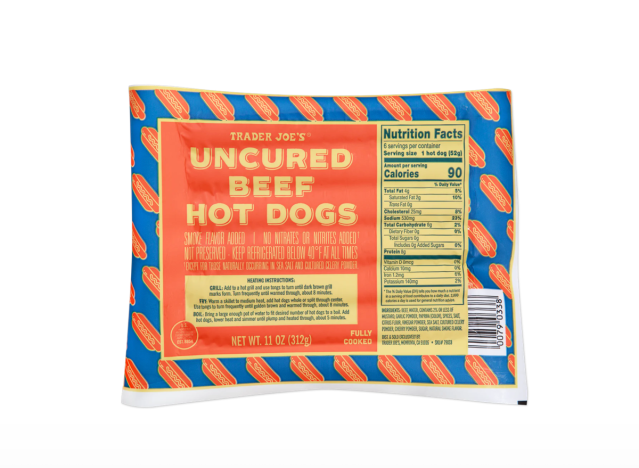
Trader Joe’s Uncured Beef Hot Dogs embody the retailer’s philosophy of providing unique, high-quality products at accessible prices. These hot dogs are specifically marketed as "uncured," meaning they do not contain added nitrates or nitrites beyond those naturally occurring in sea salt and cultured celery powder, a detail highly valued by a segment of health-conscious shoppers. Trader Joe’s emphasizes the versatility of these all-beef frankfurters, noting their suitability for grilling, pan-frying, or even simmering in liquids like beer, highlighting their adaptability in various culinary preparations. The pricing, typically around $3.99 for a package of six in many locations, represents excellent value for a product that aligns with natural ingredient preferences.
Finally, Simply Nature Organic Uncured Beef Hot Dogs from Aldi demonstrate how even organic, grass-fed options can be made affordable through efficient retail models. Aldi’s private label, Simply Nature, is dedicated to offering organic and natural products at prices that are significantly lower than conventional grocery stores. These uncured hot dogs stand out for their commitment to using 100% grass-fed beef, raised without antibiotics or added hormones, and free from genetically modified organisms (GMOs). Furthermore, like Trader Joe’s, they contain no added nitrates or nitrites, relying on natural sources. This comprehensive list of premium attributes, combined with Aldi’s aggressive pricing strategy—approximately $4.39 for six hot dogs—makes them an unparalleled option for consumers seeking top-tier organic quality without the typical price premium.
In conclusion, the landscape of hot dog consumption has evolved considerably. The notion that an affordable hot dog must inherently be of questionable quality is a relic of the past. Today’s market provides an extensive array of all-beef hot dogs that deliver on both taste and value, catering to a diverse range of consumer preferences and budgets. From the bulk savings of warehouse clubs to the ethical sourcing of organic retailers and the consistent quality of national brands, shoppers now have unprecedented choice. This shift empowers consumers to make informed decisions, ensuring that their next hot dog experience can be both delicious and financially prudent, without sacrificing the integrity of the ingredients. The pursuit of a high-quality, real beef hot dog at an economical price point is no longer a challenging quest but an easily achievable goal for any savvy grocery shopper.
About the Author