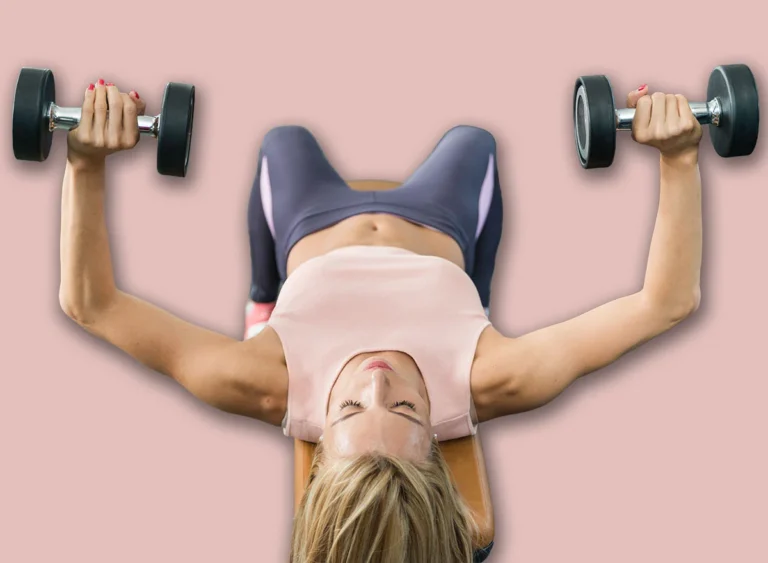
As individuals advance into their mid-fifties and beyond, maintaining or even rebuilding muscular strength becomes an increasingly critical component of overall health and functional independence. This period of life often coincides with the natural physiological process known as sarcopenia, which is characterized by a progressive decline in skeletal muscle mass and strength. Far from being an irreversible fate, scientific evidence and practical experience from certified strength and conditioning specialists confirm that the human body retains a remarkable capacity for muscular adaptation and growth, irrespective of chronological age. The key lies in implementing a strategic, consistent, and joint-friendly exercise regimen that prioritizes foundational movements and smart recovery protocols.
Understanding the unique requirements of the aging body is paramount when designing an effective strength program. While the fundamental principles of muscle stimulation – tension, effort, and repetition – remain universal, their application necessitates a nuanced approach for those over 55. The objective shifts from purely aesthetic bodybuilding to fostering robust functional strength, improving balance, enhancing bone density, and supporting metabolic health. This holistic perspective ensures that physical activity not only rebuilds muscle but also contributes significantly to a higher quality of life, reducing the risk of falls, alleviating daily task difficulties, and promoting long-term autonomy.
Central to any successful muscle restoration strategy are compound exercises. These multi-joint movements engage several large muscle groups simultaneously, providing a potent stimulus for systemic adaptation. Unlike isolation exercises, which target a single muscle, compound movements demand greater coordination, stability, and energy expenditure, mirroring the complex demands of real-world activities. This integrated approach maximizes efficiency, yielding greater returns in strength and overall physical competence with fewer exercises. For instance, lifting a grandchild, carrying groceries, or rising from a chair all depend on the coordinated effort of multiple muscle groups, precisely what compound exercises train.
The efficacy of a strength training program also hinges on the careful management of repetition ranges and overall training volume. While intense, high-load training might be suitable for younger populations, individuals over 55 benefit from a more moderate yet challenging approach. A productive middle ground, typically falling within the 8 to 12 repetitions per set, is frequently recommended. This range allows for sufficient "time under tension" to stimulate muscle protein synthesis without inducing excessive fatigue that could compromise recovery or increase injury risk. As recovery windows tend to lengthen with age, striking this balance ensures consistent progress without overtraining. Furthermore, progressive overload, the gradual increase in training stimulus over time, remains a non-negotiable principle. This can be achieved through increasing resistance, repetitions, sets, or by reducing rest periods, always prioritizing impeccable form.
Perhaps the most critical, yet often underestimated, element of muscle restoration is consistency. The concept of "daily movement" should not be equated with "daily exhaustion." Instead, it signifies a commitment to showing up regularly, performing quality repetitions with intent, and allowing momentum to build incrementally. Short, focused sessions performed frequently can be more effective and sustainable than sporadic, grueling workouts. This sustainable daily habit fosters neural adaptations, improves movement patterns, and ensures a steady anabolic signal to the muscles, promoting gradual but significant rebuilding over time.
To facilitate this restorative process, a selection of five foundational exercises, endorsed by certified professionals, offers a comprehensive approach to targeting major muscle groups and enhancing functional strength. These movements are chosen for their versatility, scalability, and profound impact on overall physical well-being.
1. Push-Ups: The Versatile Upper Body Builder
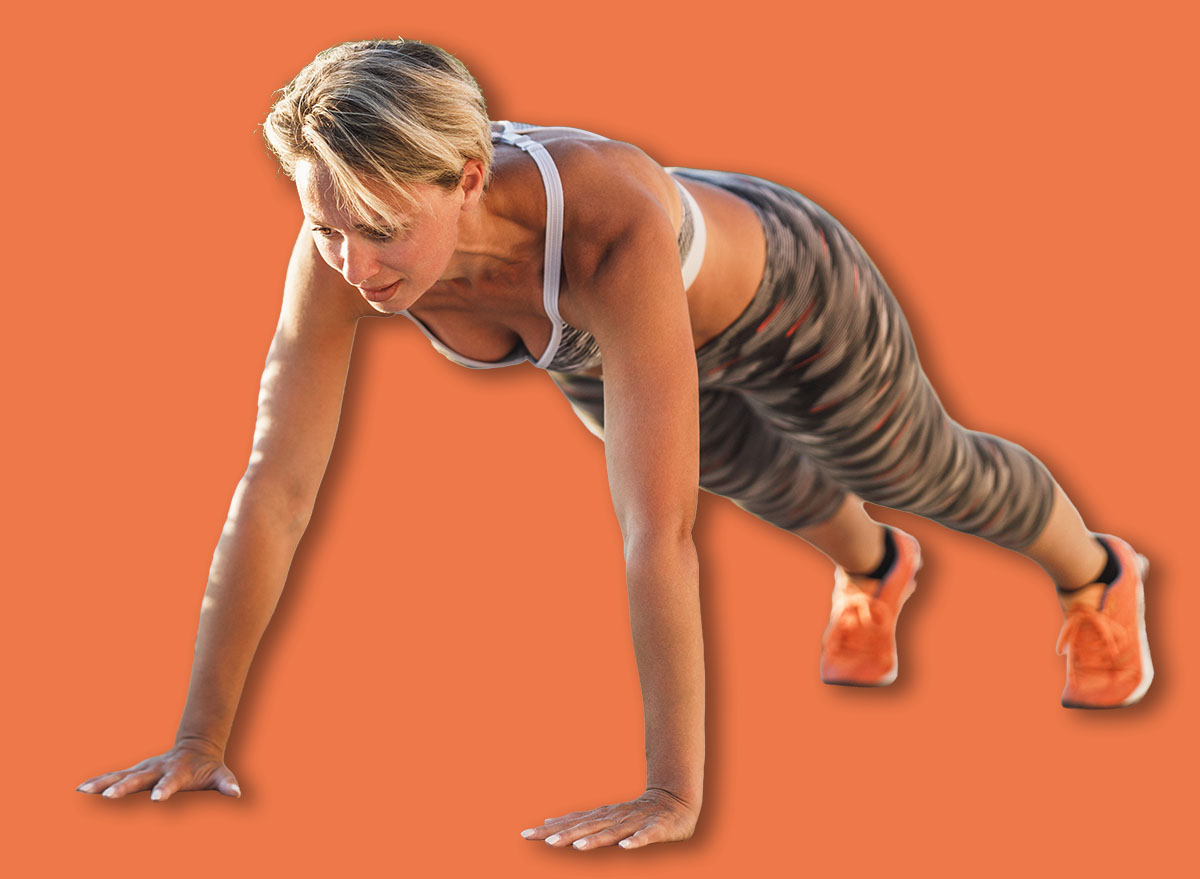
Push-ups stand as an exceptional bodyweight exercise for developing pressing strength across the upper body. They not only engage the chest, shoulders, and triceps but also demand significant core engagement, transforming each repetition into a full-body movement. For individuals over 55, push-ups are invaluable for reinforcing shoulder stability, improving posture, and building the strength necessary for everyday tasks such as pushing open heavy doors or lifting oneself from a seated position. Their inherent scalability, from wall push-ups to incline variations and full floor push-ups, makes them accessible to nearly all fitness levels.
- Muscles Trained: Pectoralis Major (chest), Deltoids (shoulders), Triceps, Core musculature.
- Execution Cues: Begin in a plank position with hands slightly wider than shoulder-width, fingers pointing forward. Lower your body by bending your elbows, keeping them tucked slightly towards your torso, until your chest nearly touches the floor. Maintain a straight line from your head to your heels throughout the movement, avoiding any sagging in the hips or arching of the lower back. Press back up powerfully to the starting position.
- Recommended Sets and Reps: Aim for 3 to 4 sets of 6 to 12 repetitions. Allow 60 seconds of rest between sets.
- Best Variations: Incline push-ups (hands on a bench or elevated surface), tempo push-ups (controlled lowering phase), close-grip push-ups (emphasizing triceps).
- Form Tip: Visualize your body moving as a single, rigid unit, not allowing hips or shoulders to move independently.
2. Lunges: Enhancing Unilateral Leg Strength and Balance
Lunges are a dynamic exercise that trains the legs unilaterally, meaning one side at a time. This characteristic is crucial for improving balance, coordination, and identifying/correcting muscular imbalances between the left and right sides of the body. For those over 55, lunges are indispensable for strengthening the hips, quadriceps, hamstrings, and glutes, directly translating to improved stability when walking, climbing stairs, or stepping over obstacles. They build resilience through the knee and hip joints when executed with proper form.
- Muscles Trained: Quadriceps, Glutes, Hamstrings, Calves, Core.
- Execution Cues: Stand tall with feet hip-width apart. Step forward with one leg, lowering your hips until both knees are bent at approximately a 90-degree angle. Ensure your front knee is directly above your ankle and your rear knee hovers just above the floor. Maintain an upright torso. Push off the front foot to return to the starting position. Alternate legs.
- Recommended Sets and Reps: Complete 3 sets of 8 to 10 repetitions per leg. Rest for 60 seconds between sets.
- Best Variations: Reverse lunges (stepping backward), walking lunges (continuous movement), supported lunges (holding onto a stable object for balance).
- Form Tip: Focus on keeping your torso upright and tall, allowing your legs to perform the primary work while maintaining core stability.
3. Chin-Ups: Rebuilding Essential Pulling Power
Chin-ups are a cornerstone exercise for developing upper back and arm strength, targeting muscles that are often underutilized in daily life and tend to weaken with age. They effectively strengthen the lats, biceps, and various muscles of the upper back, while also promoting better shoulder mechanics and grip strength – a vital indicator of overall health and longevity. Even assisted versions, using resistance bands or a machine, provide substantial stimulus for muscle restoration and offer a clear path for progression.
- Muscles Trained: Latissimus Dorsi (lats), Biceps, Rhomboids, Trapezius (upper back), Core.
- Execution Cues: Grasp a pull-up bar with an underhand grip (palms facing you), hands shoulder-width apart. Begin from a dead hang with arms fully extended. Engage your core and pull your body upwards by driving your elbows down and back, focusing on contracting your back muscles, until your chin clears the bar. Control the descent back to the starting position.
- Recommended Sets and Reps: Perform 3 to 5 sets of 3 to 8 repetitions. Rest for 90 seconds between each set.
- Best Variations: Band-assisted chin-ups, negative chin-ups (focusing only on the lowering phase), neutral grip pull-ups (palms facing each other).
- Form Tip: Initiate the movement by imagining you are pulling your elbows towards your hips, maximizing back muscle engagement rather than just arm strength.
4. Deadlifts: The Ultimate Full-Body Strength Developer
Deadlifts are an unparalleled exercise for building strength throughout the posterior chain, encompassing the glutes, hamstrings, and lower back. They are fundamental for reinforcing proper lifting mechanics, which is crucial for preventing injuries during everyday activities involving bending and lifting. This compound movement efficiently trains multiple large muscle groups simultaneously, making it exceptionally effective for systemic strength development. Deadlifts also significantly improve grip strength and trunk stability, contributing to overall bodily resilience. When performed with appropriate load and meticulous form, they support comprehensive muscle restoration without undue strain.
- Muscles Trained: Glutes, Hamstrings, Erector Spinae (lower back), Trapezius, Forearms (grip), Core.
- Execution Cues: Stand with your feet hip-width apart, the weight (barbell, kettlebell, or dumbbells) directly over your mid-foot. Hinge at your hips and bend your knees to grasp the weight. Keep your back straight, chest up, and shoulders pulled back. Initiate the lift by pushing the floor away with your feet, extending your hips and knees simultaneously. Keep the weight close to your body as you stand tall. Reverse the movement by hinging at the hips first, lowering the weight with control.
- Recommended Sets and Reps: Aim for 3 to 4 sets of 5 to 8 repetitions. Rest for 90 seconds between each set.
- Best Variations: Trap bar deadlifts (more upright torso, less spinal stress), Romanian deadlifts (emphasizing hamstrings), kettlebell deadlifts (excellent for learning hip hinge mechanics).
- Form Tip: Focus on "pushing the floor away" with your feet rather than "pulling the weight up" with your back, ensuring leg and hip drive.
5. Squats: Foundation of Lower Body Power and Mobility
Squats are widely recognized as one of the most effective exercises for strengthening the entire lower body while simultaneously enhancing mobility and coordination. They engage multiple joints and significant muscle groups – quadriceps, glutes, hamstrings, and core – in a single, fluid movement. Regular squatting practice directly supports functional independence by improving the fundamental ability to sit down, stand up, and lift objects safely from the floor. This exercise also fosters robust core stability under load, which is vital for protecting the spine. Executed correctly, squats remain an indispensable movement for daily practice after 55, promoting enduring leg strength and agility.
- Muscles Trained: Quadriceps, Glutes, Hamstrings, Adductors, Calves, Core.
- Execution Cues: Stand with feet slightly wider than hip-width, toes pointed slightly outward. Initiate the movement by sending your hips back and bending your knees, as if sitting into a chair. Descend until your thighs are at least parallel to the floor, keeping your chest upright and back straight. Ensure your knees track in line with your toes. Drive through your heels to return to the standing position, extending your hips fully.
- Recommended Sets and Reps: Perform 3 to 4 sets of 8 to 12 repetitions. Rest for 60 seconds between each set.
- Best Variations: Goblet squats (holding a weight at your chest, great for learning form), box squats (squatting to a stable surface), tempo squats (controlled eccentric and concentric phases).
- Form Tip: As you stand up, think about actively "spreading the floor" with your feet, engaging your glutes and outer thigh muscles for a powerful ascent.
Integrating Holistic Support for Lasting Muscle Restoration
Beyond the gym or home workout space, the journey of muscle restoration is profoundly influenced by daily habits that facilitate recovery and adaptation. Muscle rebuilding is not an isolated event but a continuous biological process that thrives on a supportive environment.
- Optimal Nutrition: Adequate protein intake is non-negotiable for muscle repair and growth. Aim for approximately 0.7 to 1 gram of protein per pound of body weight, distributed throughout the day. Hydration is equally vital, supporting nutrient transport and joint health.
- Quality Sleep: Sleep is when the body undertakes its most significant repair processes. Prioritizing 7-9 hours of uninterrupted sleep each night optimizes hormone balance and muscular recovery.
- Stress Management: Chronic stress can elevate cortisol levels, a hormone that can impede muscle growth and accelerate breakdown. Incorporating stress-reducing practices like mindfulness, meditation, or spending time in nature is beneficial.
- Mobility and Flexibility: Regular stretching and mobility work can improve joint range of motion, reduce stiffness, and enhance overall movement quality, making resistance training safer and more effective.
- Professional Guidance: Consulting with a healthcare provider or a certified fitness professional before embarking on a new exercise program is always advisable, especially for individuals with pre-existing health conditions. They can offer personalized advice and ensure the program aligns with individual needs and capabilities.
Embracing these principles and consistently incorporating these foundational exercises can profoundly transform physical capabilities after 55. The human body, though aging, remains remarkably adaptable. By approaching muscle restoration with intelligence, consistency, and a holistic perspective, individuals can not only counteract age-related decline but also cultivate enduring strength, enhance vitality, and secure a more active, independent future.
About the Author