Illinois, a state often celebrated for its vibrant cultural tapestry and historical significance, also boasts a distinctive and deeply cherished culinary identity. Beyond its sprawling urban centers and serene rural landscapes, a diverse array of regional restaurant chains has carved out an indelible niche in the hearts and palates of residents and visitors alike. These establishments are more than just places to eat; they represent a convergence of tradition, consistent quality, and a profound sense of community, embodying the very essence of local flavor. From the iconic deep-dish pizzas of Chicago to the distinctive loose-meat sandwiches of the central plains, Illinois’ homegrown chains have cultivated a loyal following by delivering exceptional value and memorable dining experiences generation after generation. This exploration delves into the stories and signature offerings of seven such beloved institutions, highlighting their contributions to the state’s rich food heritage.
Portillo’s: A Chicago Legend’s Enduring Legacy
Few names resonate as strongly with Illinois food culture as Portillo’s. What began in 1963 as a modest hot dog stand known as "The Dog House" in Villa Park, founded by Dick Portillo with an initial investment of just $1,100, has burgeoned into a sprawling enterprise. The company’s expansion beyond Illinois underscores its immense popularity, with its distinctive Chicago-style hot dogs now shipped across the country to maintain consistency in taste and authenticity. A quintessential Chicago-style hot dog from Portillo’s is a masterclass in balance: an all-beef frankfurter nestled in a steamed poppy seed bun, adorned with yellow mustard, chopped white onions, bright green sweet pickle relish, a dill pickle spear, tomato slices or wedges, and a dash of celery salt. This precise combination is a non-negotiable standard for purists and a cornerstone of the brand’s identity.
Beyond its famed hot dogs, Portillo’s menu has diversified to include other Chicago staples, most notably the Italian beef sandwich. This culinary icon features thinly sliced, seasoned roast beef, slow-cooked and steeped in its own savory gravy, served on a long Italian roll. Diners can customize it "wet" (extra gravy), "dipped" (entire sandwich briefly submerged), or "dry," and add sweet peppers or spicy giardiniera. Patrons frequently commend the chain’s commitment to quality across its offerings, with many discovering unexpected favorites. For instance, while the hot dogs and Italian beef command significant attention, some devoted fans champion the classic char-broiled burgers and the uniquely rich cheese fries, asserting their superiority within the fast-food landscape. The brand’s distinctive 1950s-themed diners, complete with retro decor and efficient service, contribute significantly to the overall nostalgic appeal and enduring customer loyalty.
Al’s #1 Italian Beef: A Taste of Chicago’s Core
Tracing its origins back to 1938, Al’s #1 Italian Beef stands as an undisputed pioneer in the realm of the Italian beef sandwich, a culinary invention deeply embedded in Chicago’s identity. Founded by Al Ferreri, his sister and brother-in-law, Frances and Carl Angell, and his brother, Tony, the original stand on Taylor Street catered to construction workers and quickly gained renown for its hearty, flavorful sandwiches. The genesis of the Italian beef sandwich itself is often attributed to Italian immigrants in Chicago who would stretch expensive cuts of beef by slow-roasting them, slicing them thin, and serving them in their own savory gravy on bread. Al’s perfected this technique, creating a sandwich that has become a benchmark for others.
The preparation at Al’s is meticulous: premium cuts of beef are slow-roasted for hours, then thinly sliced, often with specialized machinery, and bathed in a highly seasoned "gravy" or au jus. This succulent meat is piled generously onto crusty Italian bread. The true artistry lies in the customization: customers choose whether their bread is "dipped" (briefly submerged in the gravy), "wet" (more gravy ladled on), or "dry." The addition of toppings further defines the experience: mild, sweet bell peppers, typically roasted, or the fiery kick of giardiniera—a relish made from pickled vegetables in oil—are essential accompaniments. Enthusiasts describe the sandwich as an unparalleled blend of savory, juicy, and spicy elements, delivering a quintessential Chicago flavor profile that has captivated generations. The consistency and authenticity of Al’s #1 Italian Beef have solidified its status as a must-visit destination for anyone seeking an authentic taste of the city’s culinary heritage.
Lou Malnati’s Pizzeria: A Deep-Dish Dynasty
In the spirited debate over Chicago’s definitive deep-dish pizza, Lou Malnati’s Pizzeria consistently emerges as a formidable contender, having established its legacy in 1971. The Malnati family’s connection to Chicago-style deep dish runs deeper than many realize; Lou Malnati himself worked at Pizzeria Uno, often credited with inventing the dish in 1943, before venturing out to create his own rendition. This rich history informs every aspect of Lou Malnati’s operation, particularly its unwavering commitment to quality ingredients and time-honored techniques.
The hallmark of a Lou Malnati’s deep-dish pizza is its distinctive "buttercrust," a flaky, golden crust made with a proprietary blend of flour and butter, providing a rich foundation for the generous layers of toppings. Each pizza begins with this unique crust, followed by a thick layer of fresh mozzarella cheese, often sourced from a specific dairy for consistency, then choice lean sausage (a common and beloved topping), and finally, a robust, vine-ripened tomato sauce, usually applied uncooked, which caramelizes beautifully during baking. The lengthy baking process, often taking 30-45 minutes, results in a pizza that is both substantial and incredibly flavorful. Diners frequently praise the harmonious blend of crispy crust, molten cheese, savory meat, and vibrant sauce. The experience of sharing a large, piping-hot deep-dish pizza from Lou Malnati’s is often described as a communal culinary event, embodying the heartiness and hospitality for which Chicago is known. The chain’s ability to maintain its high standards while expanding has ensured its place as a beloved institution in the competitive Chicago pizza scene.
Maid-Rite: The Unconventional Loose-Meat Sandwich
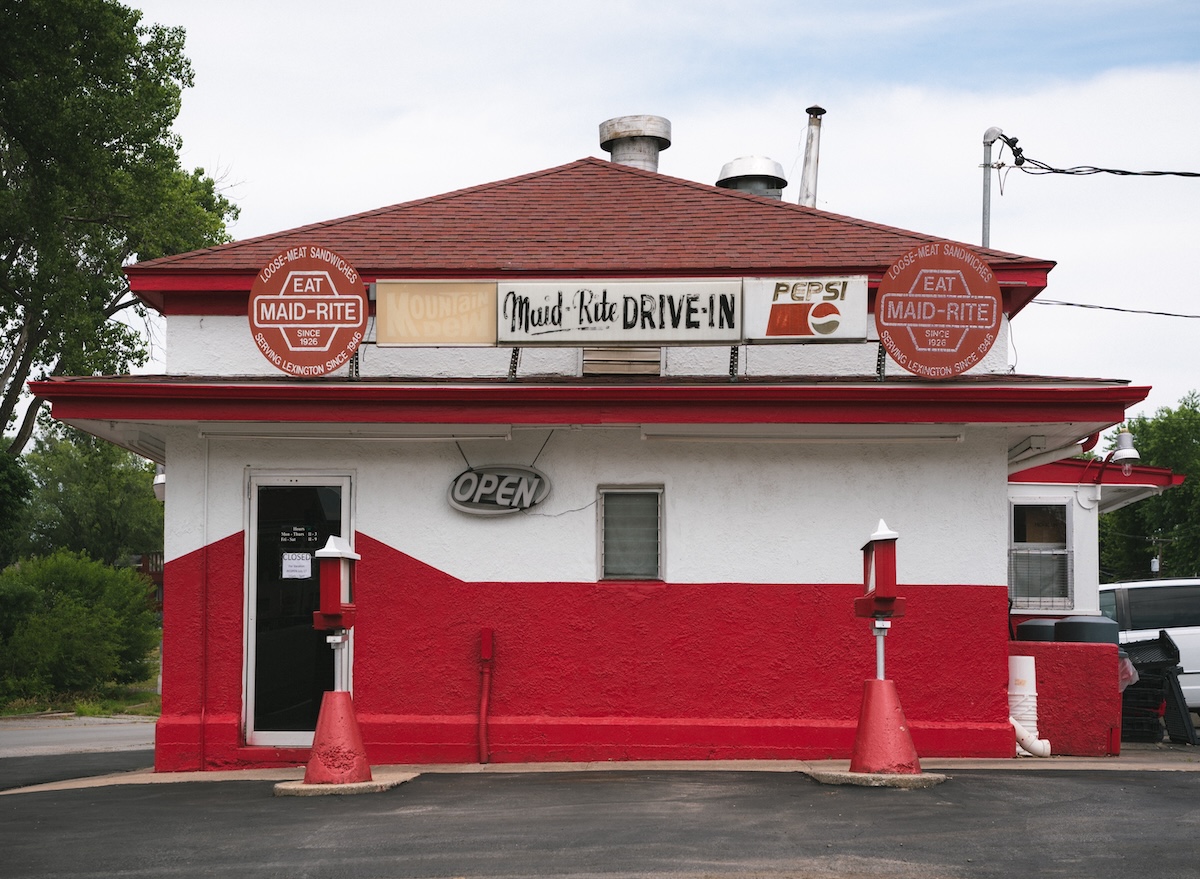
Stepping away from Chicago’s iconic fare, Maid-Rite offers a distinctive culinary experience rooted in the Midwest, specifically known for its "loose-meat" sandwich. While the brand has locations across several states, its presence in Illinois has cultivated a dedicated following. The concept dates back to 1926 when Fred Angell in Muscatine, Iowa, developed a unique method of preparing ground beef that was finely crumbled, seasoned, and steamed, rather than pressed into a patty. This innovation resulted in a sandwich that was both flavorful and texturally distinct.
The Maid-Rite sandwich is deceptively simple yet profoundly satisfying. Lean ground beef is meticulously prepared, often in large steam kettles, ensuring it remains moist and flavorful without being greasy. This finely textured meat is then generously piled onto a soft, often steamed, white bun. The classic accompaniments are typically just mustard and pickles, allowing the nuanced flavor of the seasoned beef to shine. The "loose" nature of the meat means it’s traditionally eaten with one hand, though a fork is often provided for any runaway crumbles. For many, particularly those in central Illinois, Maid-Rite evokes powerful feelings of nostalgia, representing a taste of childhood or a cherished family tradition. Patrons often highlight the unreplicable combination of the specific bun, mustard, and pickle, perfectly complementing the savory, crumbly meat. Paired with a frosty mug of homemade root beer, a Maid-Rite meal is a testament to the enduring appeal of uncomplicated, well-executed comfort food that has stood the test of time.
Beef-A-Roo: Rockford’s Roast Beef Haven
Originating in Rockford, Illinois, Beef-A-Roo has built a strong regional identity around its signature roast beef sandwiches and a diverse menu that caters to a wide range of tastes. Founded in 1967, this chain quickly became a local favorite, renowned for its commitment to serving high-quality ingredients and classic American fast-casual fare with a distinct regional flair. While roast beef sandwiches are its undisputed specialty, Beef-A-Roo distinguishes itself through its broader menu, which includes hand-crafted burgers, loaded fries, and an assortment of thick, creamy shakes.
The cornerstone of Beef-A-Roo’s appeal is its roast beef, which is slow-roasted and thinly sliced, then piled high on fresh buns. This meticulous preparation ensures a tender, flavorful experience that distinguishes it from many other fast-food offerings. Beyond the classic roast beef, their menu innovations like the "Wild West Burger," often featuring unique toppings and sauces, have garnered significant praise. Customers frequently commend the generous portions and the ability to customize their meals, with cheesy fries often cited as an essential accompaniment. The milkshakes, known for their rich texture and decadent flavors, provide a sweet counterpoint to the savory main courses. Beef-A-Roo’s longevity and dedicated customer base in northern Illinois speak to its consistent delivery of satisfying, hearty meals that have become deeply ingrained in the local dining landscape.
Billy Goat Tavern: The "Cheezborger" Icon
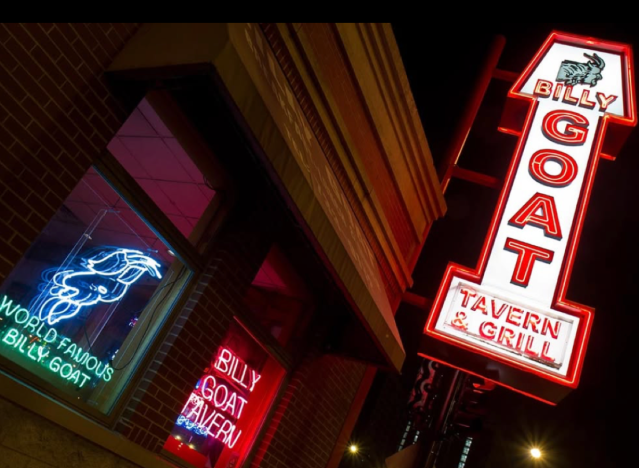
Few establishments embody the quintessential, no-frills Chicago spirit quite like the Billy Goat Tavern. Established in 1934 by Greek immigrant William Sianis, this iconic eatery, originally located across from the Chicago Stadium, gained widespread fame not just for its simple, satisfying fare but also for its colorful history and a legendary curse. Sianis famously brought his goat, Murphy, to a World Series game in 1945, was ejected, and allegedly declared that the Cubs would never win again. While the curse itself is part of Chicago lore, the tavern’s reputation for its "cheezborger" has transcended local legend, becoming a national phenomenon.
The Billy Goat Tavern gained an even broader audience through the "Cheezborger! Cheezborger! No Fries! Cheeps!" sketch on Saturday Night Live in the late 1970s, featuring John Belushi, Dan Aykroyd, and Bill Murray. This comedic portrayal cemented the tavern’s image as a place of straightforward, unfussy food and brisk service. True to its portrayal, the menu remains remarkably simple: grilled burgers, often doubles, with cheese, served on a bun, typically accompanied by potato chips (or "cheeps") instead of French fries. The focus is on the quality of the char-grilled patty and the fresh preparation. Patrons appreciate the unpretentious atmosphere, the fast service, and the consistently delicious, no-nonsense burgers. Despite its fame, the Billy Goat Tavern retains its dive-bar charm, offering a genuine slice of old Chicago where the food is honest, the history is palpable, and the experience is uniquely memorable.
Harry Caray’s Italian Steakhouse and Bar: A Homage to a Legend
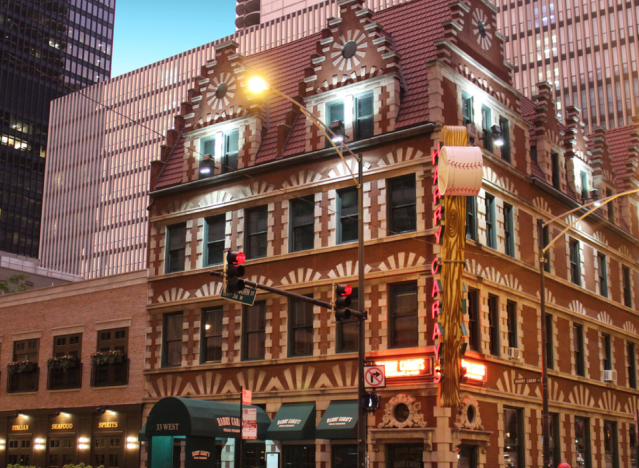
Harry Caray’s Italian Steakhouse and Bar offers a more upscale dining experience while still being deeply rooted in Illinois’ cultural fabric, specifically its passion for sports. Named after the beloved Chicago Cubs baseball announcer Harry Caray, who was renowned for his enthusiastic "Holy Cow!" catchphrase, the restaurant opened its doors in 1987. It was conceived as a tribute to Caray and quickly became a destination for both sports enthusiasts and gourmands seeking high-quality American and Italian cuisine.
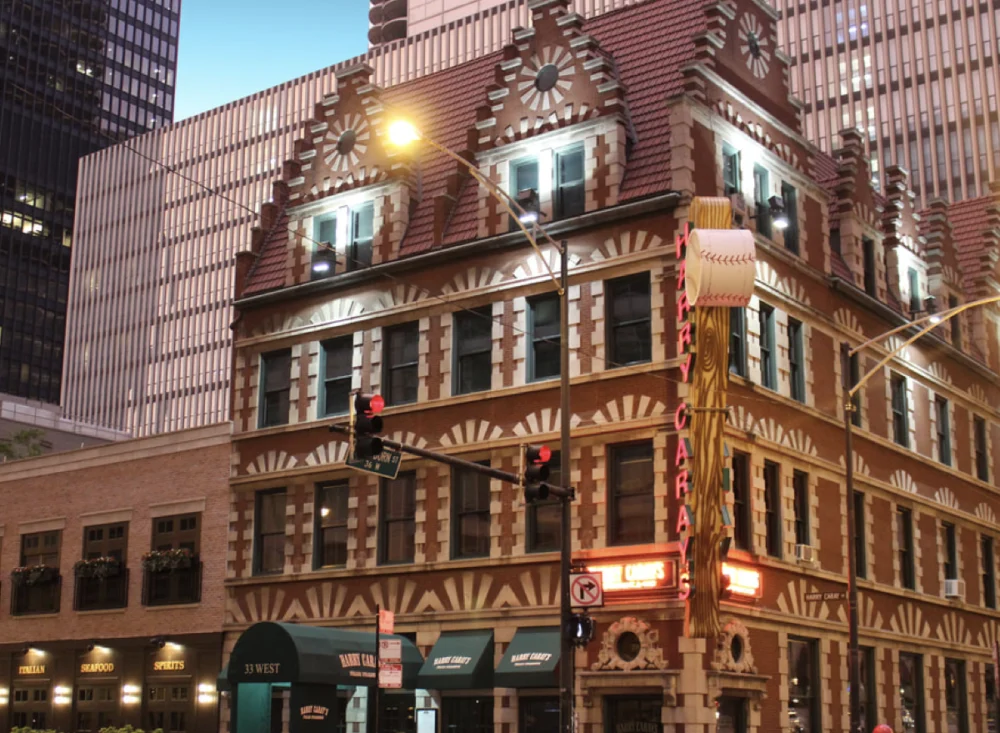
The flagship River North location in Chicago, housed in a historic building once owned by gangster Frank Nitti, exudes an atmosphere rich with sports memorabilia and classic Chicago charm. The menu reflects a sophisticated approach to American steakhouse classics infused with Italian influences. Prime steaks, carefully selected and expertly prepared, are a major draw, cooked to precise specifications. Beyond the steak, the Italian offerings, from house-made pasta dishes like Rigatoni to appetizers such as avocado crostini, receive consistent acclaim. The restaurant prides itself on its extensive wine list and professional service, making it suitable for special occasions, business dinners, or large family gatherings. Harry Caray’s represents a unique blend of fine dining, historical intrigue, and a heartfelt tribute to a local legend, solidifying its place as a distinguished regional chain within Illinois’ diverse culinary landscape.
These seven regional restaurant chains collectively paint a vivid picture of Illinois’ diverse and robust food scene. Each establishment, whether a casual hot dog stand that grew into an empire or a venerable steakhouse honoring a local icon, contributes to the state’s gastronomic narrative. They are celebrated not only for the quality and consistency of their food but also for the sense of identity and tradition they foster, cementing their roles as enduring culinary cornerstones of the Prairie State. Their continued success is a testament to the power of authentic flavors, dedicated service, and the unwavering loyalty of their patrons.
About the Author