As individuals navigate the landscape of aging, maintaining physical autonomy emerges as a paramount concern, directly impacting quality of life and long-term independence. While various physiological changes characterize the aging process, the decline in muscle mass and strength, medically termed sarcopenia, stands out as a significant challenge. This age-related muscular atrophy not only diminishes overall strength but also compromises balance, mobility, and the capacity to perform routine daily activities without assistance. However, scientific consensus and expert advice underscore that this decline is not inevitable; targeted exercise, particularly resistance training focusing on compound movements, can substantially mitigate these effects and even reverse some aspects of muscular degradation. Among the pantheon of exercises, the squat is consistently highlighted as a singularly effective movement for preserving and enhancing lower body power and functional fitness in later life.
Sarcopenia, a progressive and generalized skeletal muscle disorder, is a key antagonist to healthy aging. Typically commencing around age 30 and accelerating after 60, it can lead to a loss of 3-8% of muscle mass per decade, culminating in substantial reductions by the seventh and eighth decades of life. The consequences extend beyond mere weakness, encompassing reduced metabolic rate, increased risk of falls and fractures, impaired glucose metabolism, and a diminished ability to recover from illness or injury. Counteracting sarcopenia requires a multi-faceted approach, with resistance exercise forming its cornerstone. Unlike isolated movements that target a single muscle group, compound exercises like the squat engage multiple joints and muscle groups simultaneously, mimicking real-world movements and delivering a more comprehensive physiological stimulus. This holistic engagement is crucial for building and maintaining the integrated strength and coordination necessary for an active lifestyle.
The squat, in its fundamental form, is an archetypal human movement, integral to countless daily actions that often go unnoticed until they become challenging. From rising from a chair or getting out of bed to bending down to pick up an object, climbing stairs, or simply maintaining an upright posture, variations of the squat pattern are constantly at play. Felicia Hernandez, an NASM-certified personal trainer and community engagement lead at Eden Health Club, emphasizes this intrinsic connection, describing squats as a "real-life" movement assessment rather than merely a gym exercise. She notes that the ability to execute multiple repetitions of a bodyweight squat in one’s sixties serves as a compelling indicator of functional independence, reflecting not only muscular strength but also endurance, precise joint control, balance, and coordination. This makes the squat an invaluable diagnostic tool for assessing overall physical preparedness for the demands of everyday living.
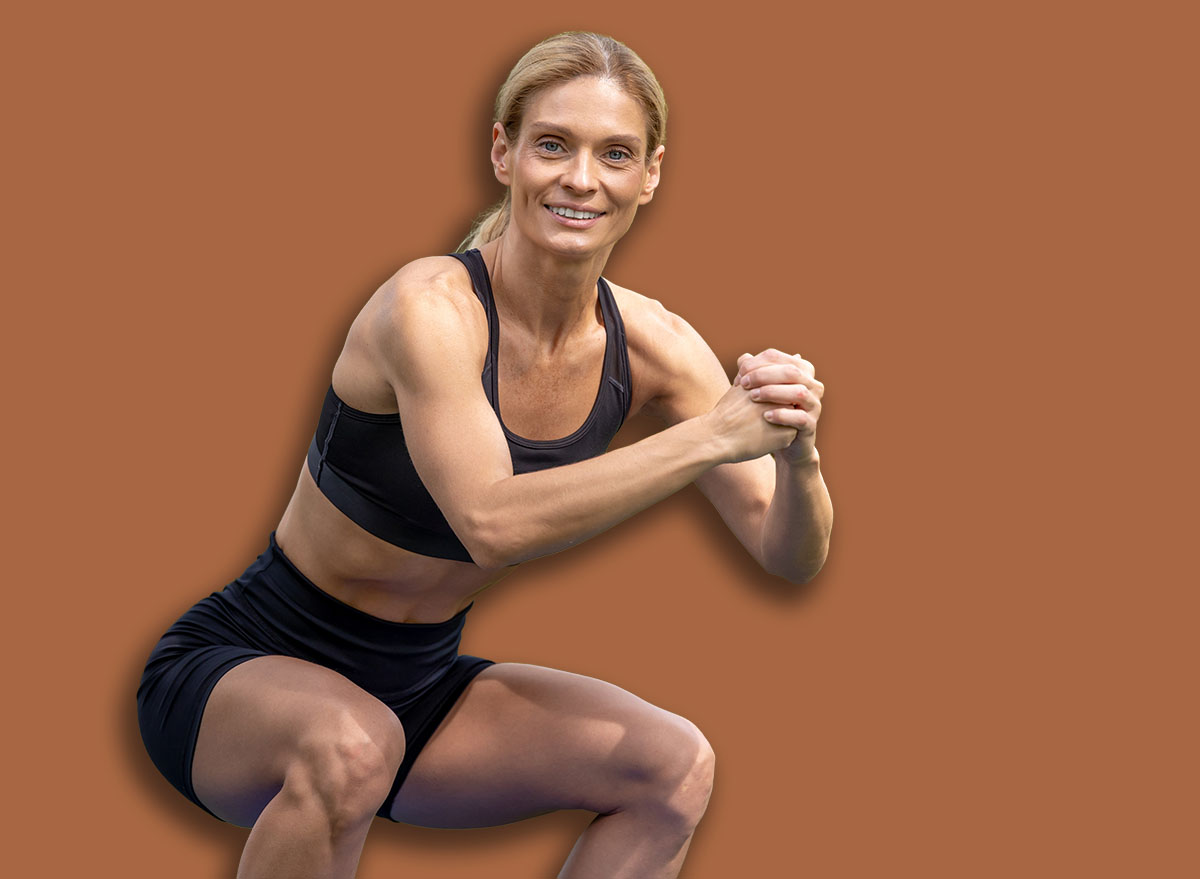
Delving into the biomechanics, the squat is a full-body movement with a primary focus on the lower kinetic chain. It robustly activates the quadriceps, the powerful muscles at the front of the thighs responsible for knee extension, and the gluteal complex, which drives hip extension and external rotation, crucial for powerful upward movement and hip stability. The hamstrings, located at the back of the thighs, function as both knee flexors and hip extensors, assisting the glutes and acting as synergists in the movement. Beyond these major players, the core musculature, encompassing the abdominal muscles and spinal erectors, works intensely to stabilize the trunk and maintain a neutral spine throughout the motion. Calf muscles contribute to ankle stability and propulsion, while smaller muscles around the hips and ankles ensure smooth joint articulation.
The joints most significantly involved are the ankles, knees, hips, and the lumbar spine. As individuals age, a common physiological challenge is the reduction in joint range of motion and the weakening of connective tissues, particularly in the absence of consistent movement and resistance training. Regular squatting directly addresses this by systematically taking these joints through their full, healthy range of motion, thereby preserving joint mobility and elasticity. Hernandez highlights that squats are instrumental in keeping these interconnected systems "online," teaching the body to safely absorb kinetic force during the descent and to generate controlled, powerful upward movement. This training cultivates a resilient musculoskeletal system, rendering individuals less prone to falls, quicker to recover from accidental trips, and generally more fluid in their daily movements, reducing reliance on external support or compensatory behaviors.
Beyond muscular strength and joint health, squats are profoundly beneficial for enhancing balance and proprioception. Proprioception, often referred to as the body’s sixth sense, is the awareness of the position and movement of the body in space. The complex coordination required to perform a squat, particularly a bodyweight squat where one must maintain equilibrium without external support, finely tunes the proprioceptors located in muscles, tendons, and joints. This heightened sensory feedback improves neuromuscular control, translating into better overall balance and stability in dynamic situations. For older adults, improved balance is a critical factor in fall prevention, which is a leading cause of injury, disability, and even mortality in this demographic. By strengthening the muscles responsible for maintaining an upright posture and refining the body’s internal sense of position, squats significantly reduce the risk of debilitating falls.
While primarily a strength exercise, bodyweight squats, especially when performed in higher repetitions, can also offer secondary cardiovascular and metabolic benefits. Elevating the heart rate, they contribute to cardiovascular endurance, albeit to a lesser extent than dedicated aerobic activities. More significantly, by building and preserving muscle mass, squats enhance the body’s metabolic health. Muscle tissue is metabolically active, burning more calories at rest than fat tissue. Increased muscle mass also improves insulin sensitivity, aiding in blood sugar regulation and reducing the risk of type 2 diabetes, a common concern in later life. The consistent muscular recruitment during squats fosters greater energy expenditure, supporting weight management and overall vitality.
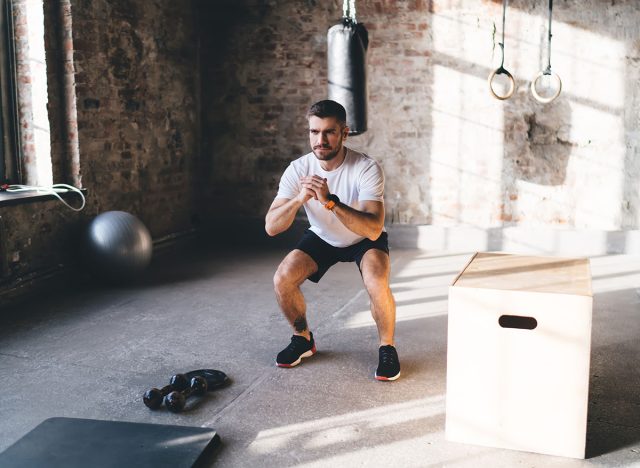
Given the comprehensive benefits, incorporating squats into a regular fitness regimen is highly recommended for individuals over 60. The specific benchmark for gauging lower-body power and functional capacity is particularly instructive. Experts suggest that consistently performing between 25 and 40 consecutive bodyweight squats with impeccable form, unassisted, places an individual "well above average" for their age group in terms of lower-body coordination, endurance, and motor control. Surpassing 40 repetitions, maintaining solid technique throughout, signifies an "elite-level strength, mobility, and stamina" within the senior demographic. These benchmarks are not merely arbitrary numbers but reflect a significant reserve of physical capacity that translates directly into a higher degree of functional independence and resilience in everyday life.
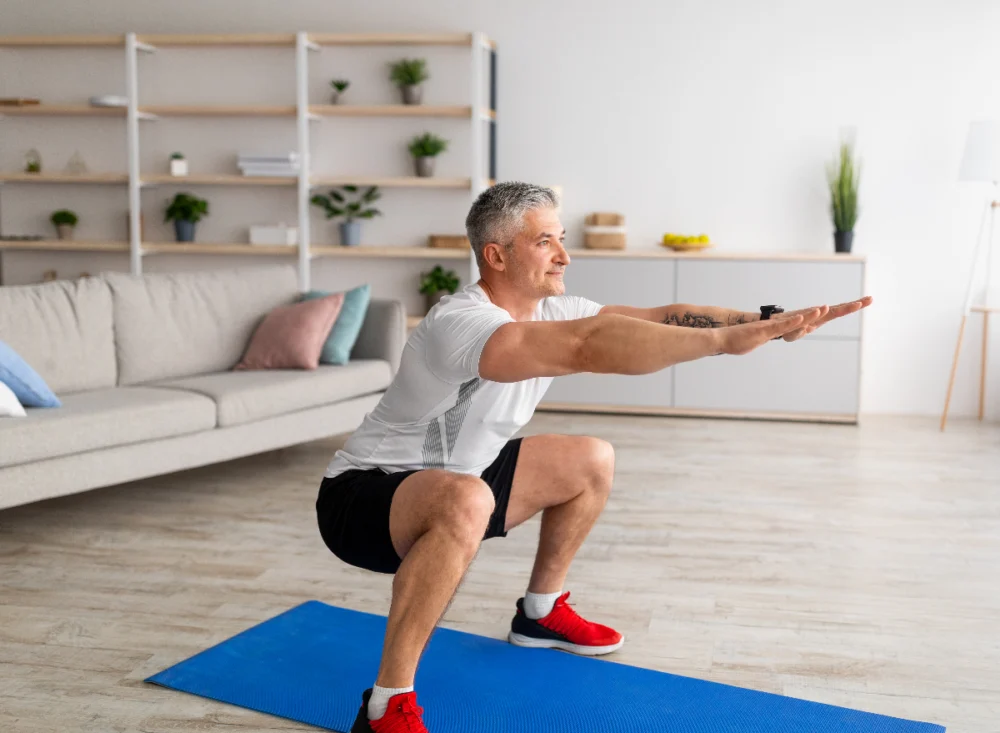
Crucially, the emphasis should always be on the quality of each repetition rather than merely the quantity. Hernandez underscores this point, stating that every squat should be executed with stability and confidence. Proper form involves keeping the chest upright, maintaining a neutral spine, pushing the hips back as if sitting into a chair, ensuring the knees track over the toes (not collapsing inward), and descending to at least parallel (hips in line with or slightly below the knees) if mobility allows. For those new to squats or with mobility limitations, modifications like chair squats (sitting to standing) or assisted squats (holding onto a sturdy support) are excellent starting points. Gradually increasing depth and repetitions while perfecting form is key to safe and effective progression. Achieving these performance metrics means more than just being "gym-fit"; it signifies being "life-ready," equipped to navigate the physical demands of an active and independent lifestyle.
In conclusion, prioritizing lower-body strength through consistent squatting is a profound investment in long-term health and independence for individuals over 60. This foundational movement addresses sarcopenia, enhances functional mobility, improves balance, fortifies joints, and contributes to overall metabolic well-being. By striving towards and maintaining a robust squat performance, older adults are not just engaging in physical exercise; they are actively cultivating a vital capacity that empowers them to live more fully, confidently, and autonomously through every subsequent decade. The ability to perform a significant number of well-executed bodyweight squats serves as a powerful testament to an individual’s commitment to graceful and empowered aging.
About the Author