Ensuring the safety of the nation’s food supply is a continuous and complex undertaking, spearheaded by the U.S. Food and Drug Administration (FDA). This federal agency plays a pivotal role in safeguarding public health by monitoring food products for potential hazards, issuing guidance to manufacturers, and initiating recalls when risks are identified. Recalls are a critical tool in consumer protection, removing potentially harmful items from circulation before or after they reach store shelves. While the FDA works diligently to inform the public, an informed consumer remains the first line of defense in identifying and avoiding compromised products. Recent weeks have seen several significant FDA-regulated product recalls, spanning from undeclared allergens in confectionery to widespread contamination due to unsanitary distribution conditions, underscoring the dynamic nature of food safety challenges. These alerts highlight the diverse threats that can emerge within the intricate global supply chain, from manufacturing floors to distribution centers, and ultimately into household pantries. Understanding the specifics of these current advisories is paramount for maintaining household safety and making informed purchasing decisions.
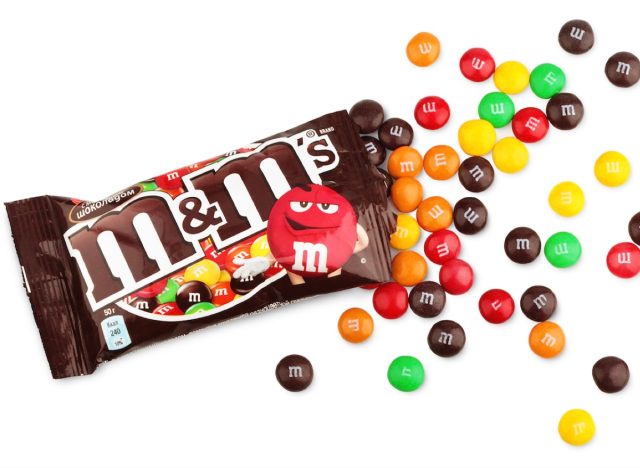
One recent alert concerns a widespread allergen mislabeling issue involving M&M’s brand chocolate candies, repackaged and distributed by Beacon Promotions Inc. This recall, initiated on January 26, affects over 6,000 units of various M&M’s products. The core problem lies in the absence of crucial allergen declarations on the promotional packaging. The candies, specifically M&M’s Peanut varieties, inherently contain known allergens such as milk, soy, and peanuts. For individuals with allergies to these ingredients, consumption without prior knowledge can precipitate a range of adverse health reactions, from mild symptoms like hives and digestive upset to severe, life-threatening anaphylaxis. The FDA classified this as a Class II recall, indicating that exposure to the product "may cause temporary or medically reversible adverse health consequences or where the probability of serious adverse health consequences is remote." However, for someone with a severe peanut allergy, even a small, undeclared amount can be profoundly dangerous, elevating the potential risk beyond what a Class II designation might typically imply for the general population. Consumers should specifically look for M&M’s Peanut candies bearing "Make Your Mark" labels, with a lot code of M1823200 and a "best by" date of April 30, 2026. The integrity of allergen labeling is a cornerstone of food safety regulations, designed to empower consumers with allergies to make safe choices, and any lapse can have significant public health ramifications.
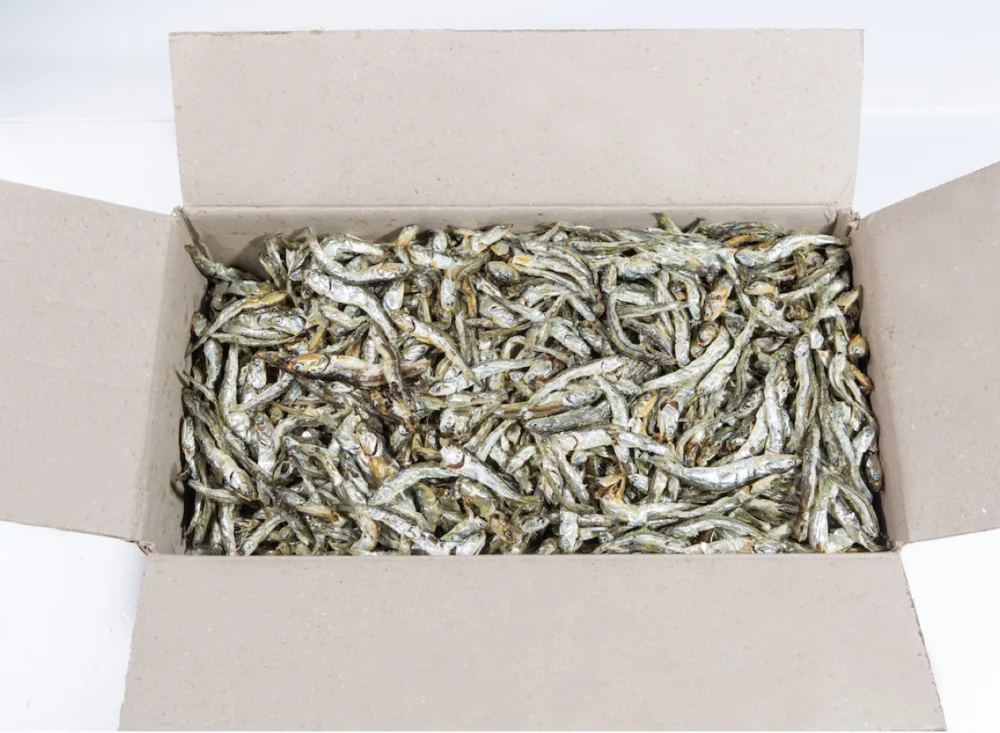
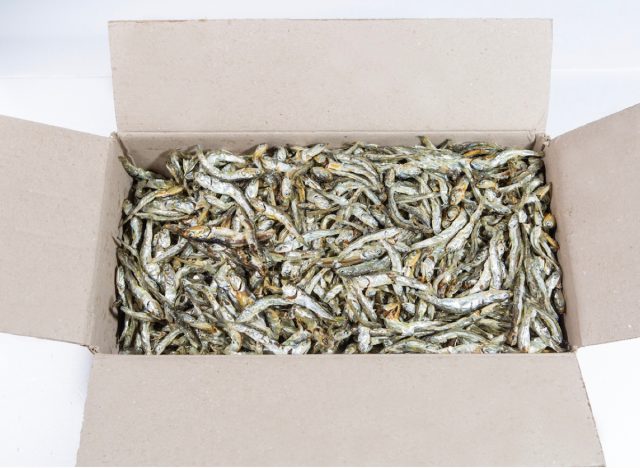
Another significant safety warning involves dried croaker fish, voluntarily recalled by Prime Food Processing LLC. The concern here stems from improper processing: the fish were not adequately eviscerated. Evisceration, the removal of internal organs, is a critical step in seafood processing to prevent the proliferation of harmful bacteria and toxins. When fish are not properly cleaned, their internal organs can harbor various microorganisms, including histamine-producing bacteria and pathogens like Clostridium botulinum, which can produce potent neurotoxins. These contaminants pose a serious health risk, potentially leading to foodborne illnesses with symptoms ranging from nausea and vomiting to more severe neurological conditions, depending on the specific pathogen or toxin. The FDA explicitly stated that "fish that are not properly eviscerated may retain internal organs that can harbor harmful bacteria or toxins, posing a potential health risk to consumers." The recalled product is identified as Item #AF1410 – Dried Croaker Fish, with an expiration date of 12-28-27, packaged in clear material with green trim. This product was widely distributed to Asian grocery stores across a broad geographical area, including Alabama, Arizona, California, Florida, Georgia, Hawaii, Massachusetts, Maryland, Missouri, New Jersey, New York, Ohio, Pennsylvania, Tennessee, Texas, Utah, Virginia, Washington, and Wisconsin. The extensive distribution highlights the potential for widespread consumer exposure and the importance of public vigilance, especially within communities that frequently consume such specialty products.
A separate recall, initially issued in December 2023 and subsequently expanded, addresses a physical hazard in Chips Ahoy! Baked Bites Brookie products manufactured by Mondelez Global LLC. The issue here is a manufacturing anomaly during the mixing process, which led to the formation of small, hard clumps of corn starch within some of the cookies. These unexpected hard pieces present a potential choking hazard, particularly for children or individuals with difficulty chewing or swallowing. While not a microbiological or chemical contaminant, foreign material in food products can cause physical injury, ranging from dental damage to airway obstruction. The expansion of this recall signifies the company’s commitment to thoroughly address the issue and ensure the removal of all affected batches from the market. The recalled Chips Ahoy! Baked Bites Brookies were distributed nationwide and are identified by specific UPC codes and "best by" dates across four distinct package sizes. Consumers are advised to consult the official FDA recall announcement for precise identification details to determine if their products are affected. This incident serves as a reminder that food safety extends beyond biological contamination to include physical integrity and consistency of products, crucial for preventing accidental harm during consumption.
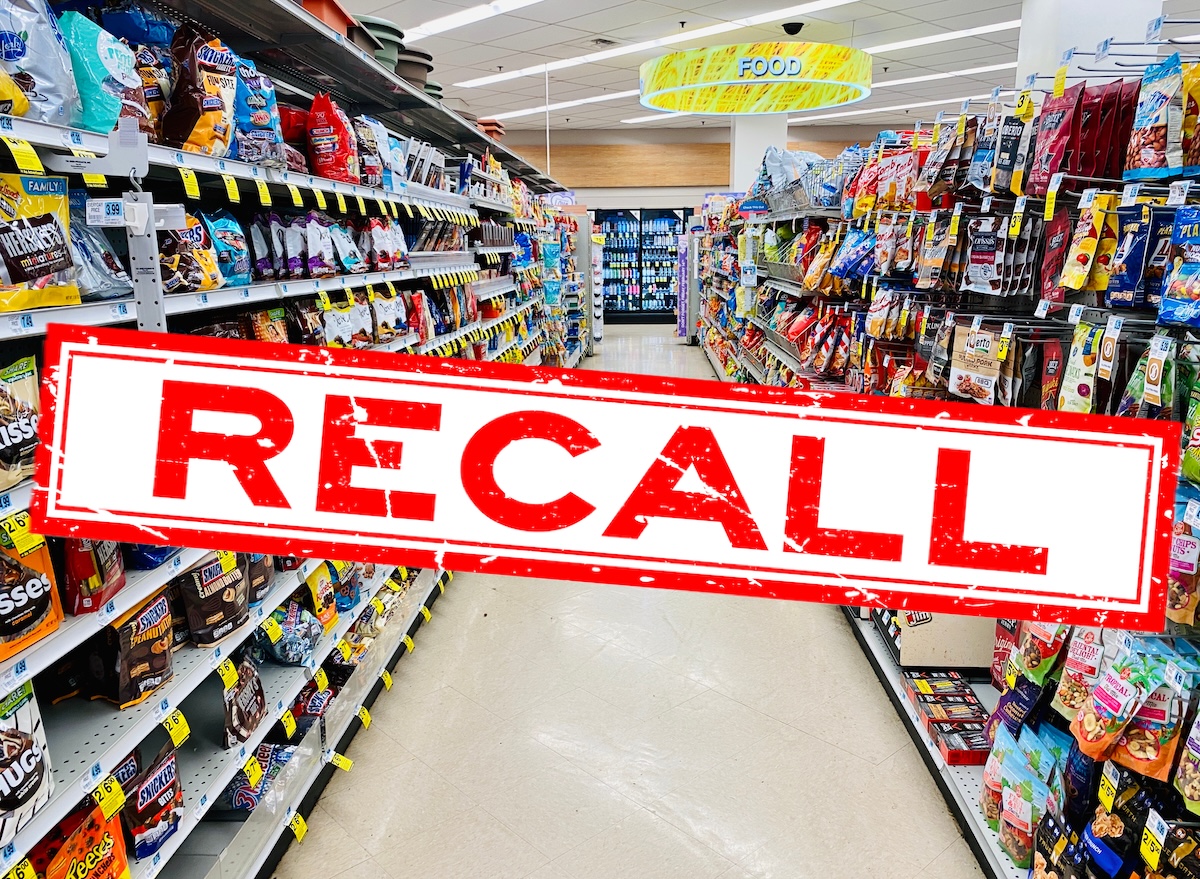
Perhaps the most extensive and alarming recall in recent memory involves nearly 2,000 diverse products, including popular snack foods, cereals, beverages, and even over-the-counter medications, due to widespread contamination at a distribution facility. Gold Star Distribution, Inc., the responsible entity, initiated this Class II recall after an FDA investigation uncovered gravely unsanitary conditions within its facility. The inspection revealed pervasive evidence of rodent excreta, rodent urine, and bird droppings in areas designated for storing a vast array of items, including medical devices, pharmaceuticals, human food, pet food, and cosmetic products. Such an environment presents a severe public health threat, as rodents and birds can carry and transmit numerous pathogens, including Salmonella, E. coli, hantavirus, and leptospirosis, posing risks of serious infections or illnesses through direct or indirect contamination of products. The sheer volume and variety of affected products underscore a systemic failure in maintaining basic sanitation and pest control protocols within a critical point of the supply chain. The comprehensive list of recalled items, detailed in a 44-page FDA document, includes well-known brands such as Pringles, Haribo, Hershey’s, Frank’s Red Hot, Jif Peanut Butter, Cream of Wheat, Raisin Bran, Kellogg’s Rice Krispies Cereal, Cheerios, Gatorade, Smart Water, Pepsi, Coca-Cola, Advil, Tylenol, Excedrin, and Benadryl. This recall is a stark reminder of how a single point of failure in the distribution network can compromise the safety of an enormous range of consumer goods, necessitating meticulous oversight throughout the entire supply chain.
In light of these recent recalls, consumer vigilance remains an indispensable component of the food safety ecosystem. The FDA’s commitment to public health is demonstrated through its robust recall system, but consumers play a crucial role by actively checking for alerts. Individuals should regularly consult the FDA’s official website (FDA.gov) for the most current and comprehensive information on food and product recalls, as these notices are continuously updated. If a recalled product is identified in a household, the recommended course of action is typically to cease consumption immediately. Consumers should then follow the specific instructions provided in the recall notice, which often include returning the item to the place of purchase for a full refund, or safely disposing of it. It is also advisable to wash and sanitize any surfaces that may have come into contact with the recalled product. For those who believe they may have consumed a contaminated product and are experiencing adverse health effects, seeking medical attention and reporting the incident to the FDA through their MedWatch or consumer complaint channels is critical. These reports help the agency gather data, track outbreaks, and prevent further harm. Ultimately, the intricate web of food production and distribution requires a shared responsibility: regulators to set standards and enforce compliance, manufacturers to adhere to stringent safety protocols, and consumers to stay informed and act responsibly.
About the Author