As women navigate the physiological shifts that accompany their fifth decade and beyond, maintaining core strength and overall physical vitality becomes increasingly significant, extending far beyond aesthetic considerations. The natural aging process, often compounded by hormonal fluctuations like those experienced during menopause, can lead to changes in body composition, including a tendency for increased adiposity in the abdominal region and a reduction in lean muscle mass, a condition known as sarcopenia. While specific fat reduction in one area of the body remains a physiological impossibility, a holistic strategy encompassing consistent, intelligent exercise, alongside thoughtful nutritional choices and adequate rest, profoundly influences metabolic health and promotes a more resilient physique. This integrated approach not only addresses visible changes but critically underpins functional independence, posture, balance, and overall well-being.
The concept of daily physical activity plays a foundational role in this journey. Structured exercise sessions elevate the body’s energy expenditure, directly contributing to caloric burn. Equally important is the enhancement of Non-Exercise Activity Thermogenesis (NEAT), which encompasses all the movement performed outside of formal workouts, from walking to daily chores. When the body feels stronger and more capable, individuals naturally engage in more spontaneous movement, creating a virtuous cycle that supports sustained energy balance and fosters an environment conducive to maintaining a healthy body composition. Furthermore, the development of robust core musculature around the abdomen yields substantial benefits. Stronger intrinsic and extrinsic core muscles provide crucial support for the spinal column, enhance postural alignment, and contribute to a sense of stability and confidence in everyday movements. This strengthening effect can also impart a firmer appearance to the midsection, irrespective of changes on the scale, making daily tasks feel less strenuous and promoting greater physical autonomy.
Drawing upon extensive experience in coaching female clients across diverse age groups, certain exercises consistently prove effective, joint-friendly, and energetically demanding, while prioritizing proper biomechanics. These movements are selected for their ability to challenge muscle groups, elevate heart rate, and engage the core with deliberate intention, contributing to a comprehensive strategy for abdominal health and functional fitness.
Foundational Movements for Midlife Core Resilience
1. Goblet Squats: A Cornerstone of Full-Body Strength and Core Engagement
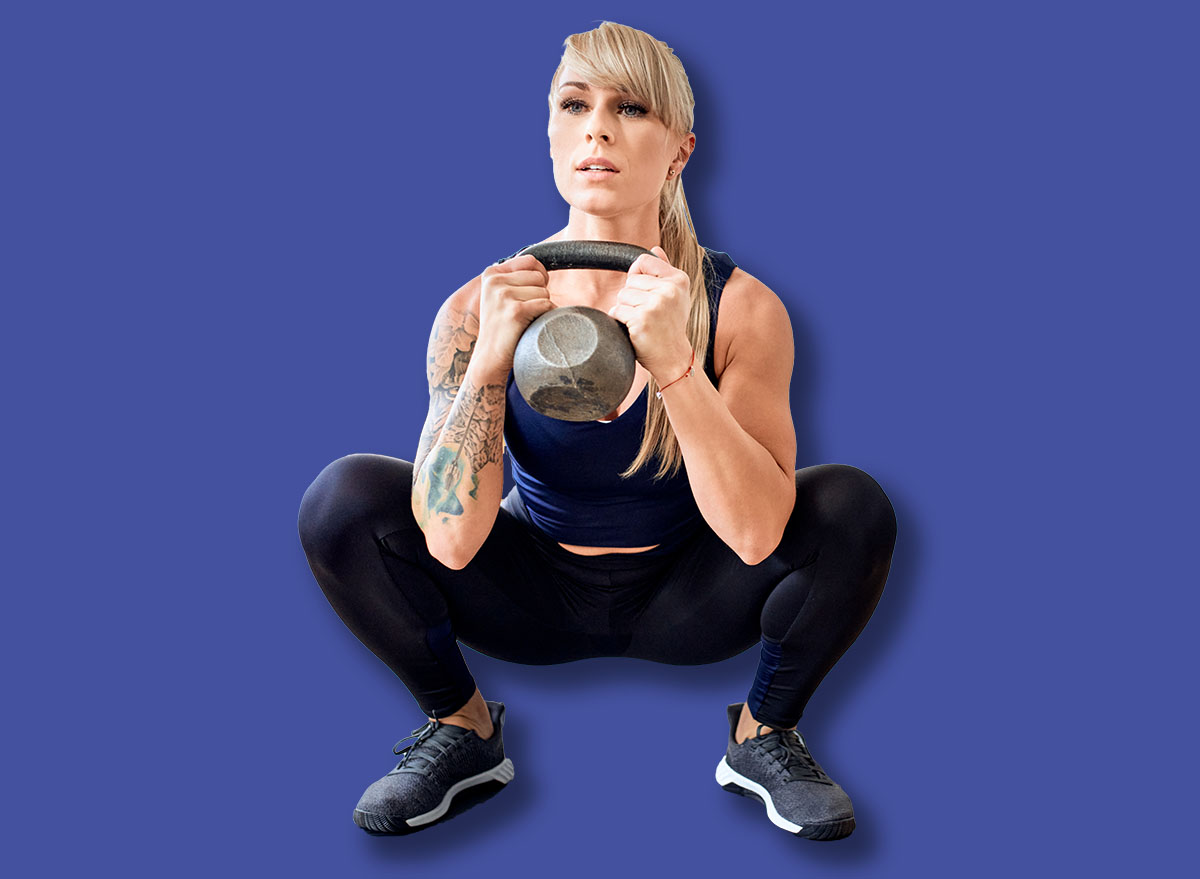
The goblet squat stands as a highly effective, compound movement that quietly yet powerfully drives metabolic activity and builds foundational strength. By holding a weight (such as a dumbbell or kettlebell) vertically against the chest, this exercise naturally encourages an upright torso, which in turn demands significant engagement from the core muscles to maintain stability. The primary movers, including the quadriceps, glutes, and hamstrings, undertake substantial work, while the sustained abdominal activation throughout the descent and ascent phases directly strengthens the entire trunk. The dynamic nature of squatting also rapidly elevates cardiovascular output, contributing to a greater total energy expenditure during the workout. When performed regularly with a focus on controlled movement and appropriate volume, goblet squats offer a potent stimulus for muscle development and fat metabolism without imposing undue stress on the joints, making them highly suitable for individuals over 50.
- Muscles Engaged: Primarily targets quadriceps, glutes, and hamstrings, with significant contributions from the core stabilizers (rectus abdominis, obliques, transverse abdominis) and erector spinae.
- Execution Principle: Focus on maintaining an erect chest and keeping the elbows tucked close to the body as you lower into the squat. The depth should be comfortable while ensuring the heels remain grounded. Drive through the midfoot to return to the starting position.
- Recommended Application: 3 sets of 10 to 12 repetitions, with approximately 45 seconds of recovery between sets.
2. Kettlebell Swings: Dynamic Power for Posterior Chain and Metabolic Boost
Kettlebell swings are a dynamic, full-body exercise that masterfully combines elements of power development and cardiovascular endurance. This movement fundamentally relies on a powerful hip hinge pattern, which explosively engages the gluteal muscles and hamstrings. Simultaneously, the core musculature must brace intensely to control the momentum of the kettlebell, particularly at the apex of the swing and during the descent. This explosive, rhythmic action significantly elevates energy demand, leading to a substantial increase in metabolic rate both during and after the exercise. Beyond its metabolic advantages, the kettlebell swing also reinforces optimal hip mechanics, which are crucial for maintaining lower back health and pelvic stability, vital components for sustained mobility and injury prevention in later life. Few exercises offer such a comprehensive return on investment in terms of power, conditioning, and core engagement within a concise timeframe.
- Muscles Engaged: Primarily glutes and hamstrings, with strong involvement from the core (transverse abdominis, obliques), lower back stabilizers, and shoulders (for stabilization, not prime movement).
- Execution Principle: Emphasize generating power from the hips, not the arms. Imagine driving your hips back like a hinge, then forcefully extending them forward to propel the bell. The arms act as pendulums, guiding the kettlebell, not lifting it.
- Recommended Application: 3 sets of 12 to 15 repetitions, resting for about 45 seconds between sets.
3. Plank with Shoulder Taps: Cultivating Anti-Rotational Core Stability
The plank with shoulder taps is a sophisticated variation of the traditional plank that specifically trains the core to resist rotational forces while maintaining a stable, rigid torso. Each alternating shoulder tap introduces an external perturbation, compelling the oblique muscles and deeper abdominal musculature (transverse abdominis) to work intensely to prevent the hips from swaying or rotating. This anti-rotational demand is highly effective in targeting the stabilizing muscles that contribute to a firmer, more controlled midsection. Additionally, this exercise simultaneously enhances shoulder stability and improves coordination, which are critical for functional movement patterns. Executing these taps with deliberate, controlled precision, rather than rushing, significantly amplifies the engagement and effectiveness of the core muscles.
- Muscles Engaged: Primarily obliques, rectus abdominis, transverse abdominis, deltoids, and glutes (for hip stability).
- Execution Principle: Begin in a strong plank position, ensuring the body forms a straight line from head to heels. To minimize excessive hip movement during the tap, slightly widen the foot stance. Focus on maintaining a steady pelvis as one hand lifts to tap the opposite shoulder.
- Recommended Application: 3 sets of 12 to 16 total taps (6-8 per side), with 30 seconds of rest between sets.
4. Reverse Crunches: Precision Targeting for Lower Abdominal Control
Reverse crunches offer a focused approach to strengthening the lower abdominal region while safeguarding the delicate structures of the spine. Unlike traditional crunches where the torso lifts, this movement emphasizes lifting the hips towards the rib cage, thereby shifting the primary emphasis to the lower portions of the rectus abdominis and the transverse abdominis. This action effectively improves core endurance and refines pelvic control, both essential for a strong and stable trunk. When executed with slow, deliberate control, reverse crunches generate deep abdominal tension without imposing strain on the neck or lumbar spine, rendering them an ideal exercise for consistent daily inclusion in a fitness regimen.
- Muscles Engaged: Primarily targets the lower abdominals (lower rectus abdominis), transverse abdominis, and hip flexors.
- Execution Principle: Lie on your back with knees bent at 90 degrees and feet off the floor. Focus on initiating the movement by tilting the pelvis and lifting the hips slightly off the floor, drawing the knees towards the chest. Avoid using momentum; the movement should be slow and controlled both on the way up and down.
- Recommended Application: 3 sets of 10 to 15 repetitions, with 30 seconds of rest between sets.
5. Pallof Press: Mastering Anti-Rotation for a Resilient Core
The Pallof press is a deceptively simple yet profoundly effective exercise designed to train the core muscles to resist unwanted movement, a critical component of dynamic core stability and waist control. Performed with a resistance band or cable, the exercise involves pressing the resistance away from the body, creating an anti-rotational force that the abdominal muscles must powerfully brace against to maintain a stable, centered torso. This sustained isometric tension builds deep core strength, particularly engaging the transverse abdominis and obliques, and significantly enhances overall trunk stability. The benefits of a strong, anti-rotational core extend far beyond the gym, translating into improved posture, reduced risk of injury, and greater ease in performing everyday activities. Consistency in this exercise yields substantial results in functional core resilience.
- Muscles Engaged: Primarily transverse abdominis and obliques, with secondary engagement of the shoulders and glutes for overall stability.
- Execution Principle: Stand perpendicular to the cable or band anchor point, holding the handle with both hands at chest height. Engage the core and press the handle straight out in front of you, resisting the urge for your body to rotate towards the anchor. Exhale as you press to maximize core engagement. Maintain a stable, upright posture throughout.
- Recommended Application: 3 sets of 10 to 12 repetitions per side, with 30 seconds of rest between sets.
Integrating Lifestyle Factors for Enduring Abdominal Wellness
While targeted exercises form a crucial pillar of abdominal health, their efficacy is profoundly amplified when supported by a synergistic array of daily habits. For women over 50, achieving and maintaining a healthy midsection transcends mere intense workouts; it hinges on a consistent, integrated approach that prioritizes recovery, smart nutritional choices, and overall well-being. The body responds most favorably when movement, diet, and rest are harmonized, fostering an environment where physiological adaptations can thrive, leading to more sustainable results.
- Strategic Nutrition: Beyond simply counting calories, smart nutrition involves prioritizing nutrient-dense foods. Adequate protein intake is vital for preserving and building lean muscle mass, especially as sarcopenia becomes a concern with age. Incorporating ample fiber from fruits, vegetables, and whole grains supports digestive health and satiety. Limiting processed foods, refined sugars, and excessive unhealthy fats helps manage systemic inflammation and supports a healthier body composition. Hydration, often overlooked, is also critical for metabolic function and overall cellular health.
- Restorative Sleep: The profound impact of sleep on body composition and metabolic health cannot be overstated. Insufficient or poor-quality sleep can disrupt hormone regulation, particularly affecting cortisol (stress hormone) and ghrelin/leptin (hunger-regulating hormones), which can contribute to increased abdominal fat storage and impaired recovery from exercise. Aiming for 7-9 hours of quality sleep nightly is a non-negotiable component of any wellness strategy.
- Stress Management: Chronic stress elevates cortisol levels, which can promote fat accumulation around the midsection. Integrating stress-reducing practices such as mindfulness, meditation, deep breathing exercises, or spending time in nature can significantly mitigate these physiological responses.
- Consistency Over Intensity: For long-term success, especially after 50, adherence to a moderate, sustainable routine often yields better results than sporadic, high-intensity efforts that risk burnout or injury. Listening to one’s body, adapting exercises as needed, and celebrating small, consistent victories are key. Consulting with a qualified fitness professional or healthcare provider can provide personalized guidance, ensuring exercises are appropriate and safe for individual needs and health conditions.
In conclusion, the pursuit of abdominal health for women over 50 is a multifaceted endeavor that marries intelligent physical training with thoughtful lifestyle choices. By embracing a holistic perspective that values functional strength, metabolic vitality, and overall well-being, women can cultivate a resilient core, enhance their daily lives, and foster a sense of empowerment and sustained health well into their later years. The journey is not merely about physical appearance, but about building a foundation for a vibrant, active future.
About the Author