
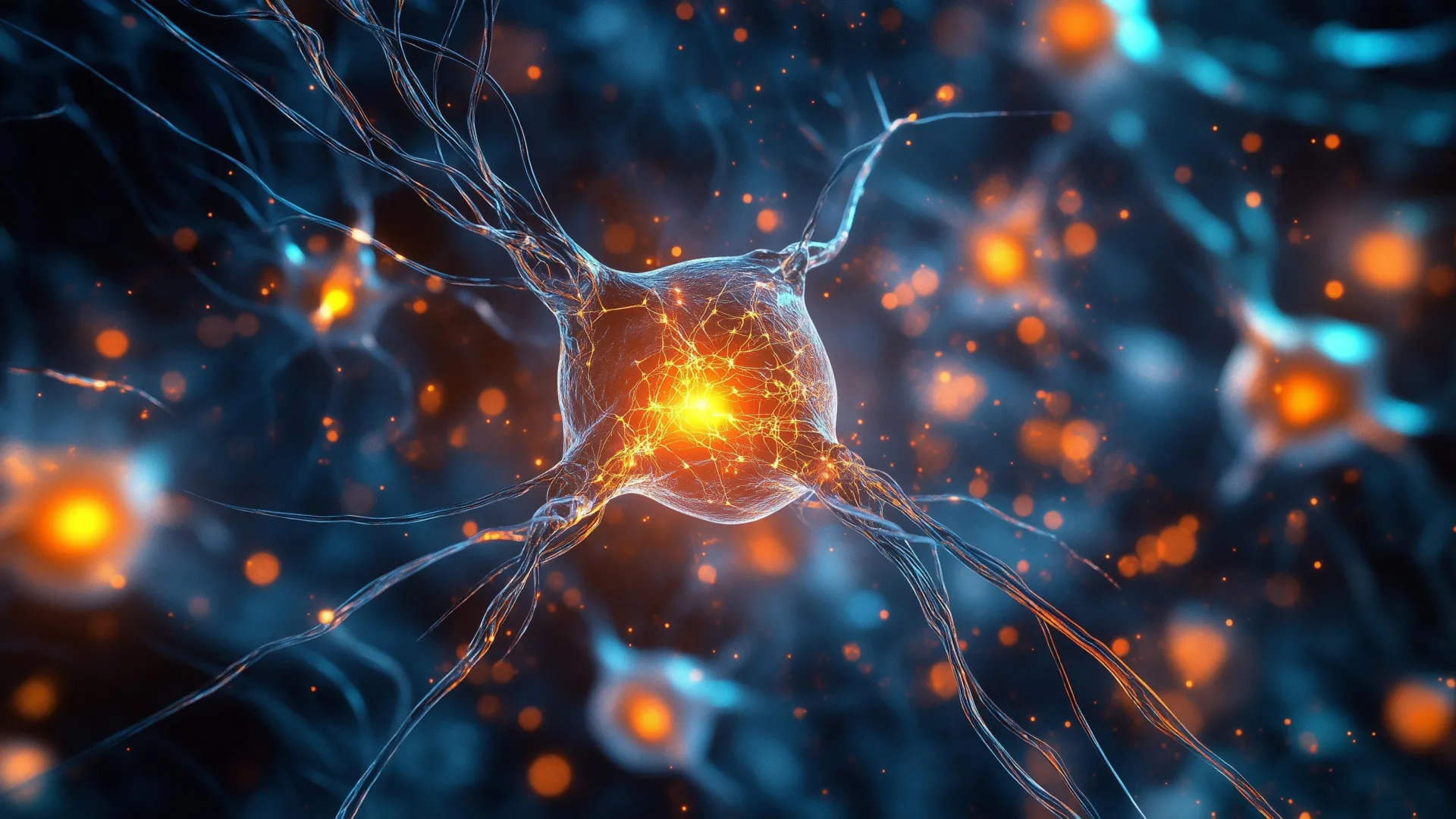
The human body’s capacity for cellular regeneration, a vital process for tissue repair and maintenance, largely bypasses its most specialized cells: neurons. Unlike many other cell types that can readily replace themselves following injury or stress, nerve cells, once compromised, exhibit a remarkably limited ability to generate functional replacements, posing a significant hurdle in addressing neurological damage. This inherent fragility makes them particularly vulnerable to insults such as strokes, traumatic brain injuries, and the insidious progression of neurodegenerative disorders, where the deterioration of neurons and their critical axonal extensions is a hallmark of decline. Axons, the long, thread-like projections responsible for transmitting electrochemical signals across the intricate neural network, are central to neurological function, and their loss is directly implicated in the functional impairments associated with neurological conditions.
A groundbreaking study emerging from the University of Michigan is poised to reshape our understanding of why these vital cells succumb to damage, offering novel insights into potential therapeutic avenues for neuroprotection. Published in the esteemed journal Molecular Metabolism, this research posits that a neuron’s inherent resilience, its ability to withstand and recover from injury, is intrinsically linked to its fundamental metabolic processes, specifically how it utilizes sugar for energy. This metabolic dependency suggests that manipulating cellular energy pathways could unlock new strategies to bolster neuronal defenses against degeneration and potentially explain the rare but significant instances of brain recovery observed after severe injury.
The investigation, conducted using the well-established Drosophila melanogaster (fruit fly) model, a powerful tool for studying fundamental biological processes due to its genetic tractability and conserved cellular mechanisms, revealed a profound connection between a neuron’s metabolic status and its structural integrity. Specifically, the research team identified that the efficiency with which neurons process glucose directly correlates with their capacity to maintain axonal health. When sugar metabolism is suboptimal, neurons become more susceptible to breakdown; conversely, this same metabolic pathway, when modulated under specific conditions, can trigger a latent protective program, fortifying axons against imminent damage and prolonging their survival even when the cell is already compromised.
This discovery challenges the long-held view of neurodegeneration as a purely passive, inevitable process. Instead, it highlights the active role cellular metabolism plays in either promoting or preventing neuronal demise. The implications of this finding are far-reaching, suggesting that interventions targeting cellular energy production could represent a novel therapeutic paradigm for a spectrum of neurological conditions. The research was generously supported by grants from prominent scientific organizations, including the National Institutes of Health, the U.S. National Science Foundation, the Rita Allen Foundation, and the Klingenstein Fellowship in the Neurosciences, underscoring the significance and potential impact of this work.
Monica Dus, the senior author of the study and an associate professor of molecular, cellular, and developmental biology at the University of Michigan, elaborated on the findings, stating, "Metabolism is often altered in instances of brain injury and in diseases like Alzheimer’s, but it has remained unclear whether these metabolic changes are a primary cause or merely a consequence of the disease process." She further explained, "Our findings demonstrate that reducing sugar metabolism compromises neural integrity. However, if neurons are already under stress, the same metabolic manipulation can preemptively activate a protective mechanism. Rather than succumbing to breakdown, axons exhibit enhanced resilience and persist for longer durations."
At the heart of this newly elucidated protective mechanism lie two key proteins: dual leucine zipper kinase (DLK) and Sterile Alpha and TIR Motif-containing 1 (SARM1). Lead author TJ Waller, a postdoctoral research fellow on the team, identified DLK as a critical sensor of neuronal damage. DLK becomes activated when cellular metabolic pathways are disrupted, signaling a state of distress. SARM1, a protein long implicated in the degenerative cascade of axons, was found to have its activity intricately linked to the response triggered by DLK. The study revealed that the interplay between DLK and SARM1 is not a simple on-off switch but rather a dynamic process influenced by the cell’s internal environment, particularly its metabolic state.
"A surprising observation was that the neuroprotective response appears to be context-dependent, varying significantly based on the cell’s internal metabolic conditions," stated Dus. "Metabolic signals profoundly influence whether neurons can withstand stress and maintain their structure, or if they begin to disintegrate."
The research further elucidated a complex duality in the function of DLK. In situations where neurons are not yet significantly injured, an increase in DLK activity, coupled with the suppression of SARM1, appears to confer short-term protection. This delicate balance acts as a first line of defense. However, this protective state is not permanent. The study uncovered that if DLK remains activated for an extended period, its role shifts dramatically. Prolonged DLK activation, rather than protecting, can paradoxically accelerate neurodegeneration, effectively reversing its initial beneficial effects and hastening cellular demise.
This dualistic nature of DLK presents a significant challenge for therapeutic development. As DLK plays such a pivotal role in both neuronal protection and degeneration, targeting it directly for treatment of neurodegenerative diseases requires a nuanced approach. Waller emphasized the complexity: "If our goal is to slow disease progression, we aim to inhibit its detrimental aspects. However, we must be cautious not to inadvertently suppress the positive functions that might naturally contribute to slowing the disease process."
The ability to precisely modulate DLK’s opposing effects—harnessing its protective capacity while mitigating its destructive potential—remains an open and critical area of research. Understanding the molecular mechanisms by which proteins like DLK transition between these protective and damaging states holds immense promise for developing innovative treatments for traumatic brain injuries and a host of neurodegenerative conditions, from Alzheimer’s disease to Parkinson’s disease and amyotrophic lateral sclerosis (ALS).
Dus and Waller concluded that deciphering this intricate mechanism offers a fundamentally new perspective on understanding and addressing neurological injury and disease. This paradigm shift moves beyond simply attempting to block damage, instead focusing on understanding and augmenting the brain’s intrinsic self-reinforcing and protective capabilities. By learning to leverage the cell’s own survival machinery, future therapeutic strategies may offer more effective and sustainable solutions for preserving neurological health.
About the Author












