Achieving optimal physical fitness and maintaining a robust physique often faces skepticism, especially concerning individuals navigating the landscape of life beyond their mid-fifties. A common misconception persists that significant improvements in strength and body composition become elusive with advancing age. However, insights from seasoned fitness experts, including those associated with institutions like Train.Fitness, consistently demonstrate that foundational exercise principles remain highly effective, provided they are adapted to be joint-friendly, practical, and sustainable for this demographic. A particularly efficacious approach gaining prominence is standing core training, which intrinsically mirrors the body’s natural movements in daily life, recruits a broader spectrum of muscles for increased energy expenditure, and circumvents common barriers associated with floor-based routines. This article delves into the physiological realities encountered by adults over 55 and presents a series of five expertly recommended standing exercises designed to cultivate profound core strength and support consistent reduction in abdominal fat.
The biological processes that unfold after the age of 55 introduce distinct challenges to maintaining a lean and strong physique. One of the most significant shifts involves the body’s metabolic rate. Research indicates that, compared to their thirties, individuals over 55 typically expend approximately 200-300 fewer calories daily. This metabolic deceleration means that dietary habits previously sufficient for weight management can now lead to gradual, yet persistent, weight gain, often accumulating disproportionately around the midsection. Concurrent hormonal fluctuations further compound this issue. Men experience a decline in testosterone levels, while women see a reduction in estrogen, both of which are linked to an increased propensity for fat storage in the abdominal region. This period also marks an accelerated rate of muscle degradation, known as sarcopenia, which typically progresses at a rate of 3-5% per decade after the age of 30. Diminished muscle mass further depresses the metabolic rate, creating a dual challenge that renders abdominal fat particularly resistant to reduction.
Beyond these metabolic and hormonal shifts, modern lifestyles contribute to a widespread weakening of the body’s central support system. Decades spent in sedentary positions—whether seated at a desk, behind the wheel, or relaxing on a sofa—can lead to the dormancy of the deep core muscles. These crucial muscles are responsible for maintaining abdominal tautness and providing essential spinal protection. When these deep stabilizers are inactive, compensatory patterns often emerge, with superficial muscles like hip flexors or the lower back overworking during traditional core exercises, thereby failing to effectively engage the intended musculature. Furthermore, practical limitations frequently hinder consistent core engagement. For many older adults, the act of descending to and rising from the floor for exercises can be a significant deterrent due to concerns about joint discomfort, knee problems, or balance instability. This accessibility barrier can lead to the complete avoidance of core training, perpetuating a cycle of weakening and making floor-based movements even more daunting.
Moreover, the body’s intricate balance systems naturally decline with age. The vestibular system in the inner ear, visual processing, and proprioception—the sense of body position—all become less efficient. This makes exercises requiring significant stability feel precarious rather than beneficial, often preventing individuals from challenging themselves sufficiently to achieve meaningful results. When an exercise feels unsafe, the intensity and consistency required for adaptation are often compromised.
In light of these age-related considerations, standing core exercises present a compelling and strategic advantage over their floor-based counterparts. Crucially, they replicate the way the core functions in everyday scenarios. Unlike isolated movements performed lying down, the abdominal and back muscles are constantly engaged to maintain stability during standing, walking, reaching, and carrying objects. By training the core in an upright position, these exercises strengthen the precise movement patterns essential for functional independence and seamless daily activities.
The caloric expenditure associated with standing exercises is also significantly higher. When performing movements while standing, the leg, gluteal, and core muscles work synergistically to maintain an upright posture and execute dynamic actions. This multi-joint, compound engagement can lead to a calorie burn two to three times greater than that of a comparable floor exercise, a critical factor for individuals aiming for sustained fat reduction. Furthermore, standing exercises are inherently safer for the spinal column. Traditional floor exercises like sit-ups and crunches often involve repetitive spinal flexion, which can place undue stress on the lumbar discs, especially after 55 when spinal cushioning and integrity may be reduced. Standing variations engage the core without these high-impact, repetitive spinal stresses, thereby minimizing the risk of discomfort or injury to the back.
The accessibility of standing core work is another paramount benefit. Eliminating the need to get on and off the floor removes a significant psychological and physical barrier, making it easier for individuals with joint issues, balance concerns, or general mobility limitations to participate. These exercises can be performed almost anywhere—at home, in a park, or even in an office setting—which substantially increases the likelihood of consistent adherence, a non-negotiable component for achieving lasting outcomes. Ultimately, standing exercises foster practical strength. The core stability and power developed through these movements directly translate into improved performance in activities such as lifting groceries, engaging in playful interactions with grandchildren, or effortlessly transitioning in and out of chairs. This functional transference contrasts sharply with floor exercises, which often build strength in positions rarely encountered in real-world scenarios.

To address these considerations, the following five standing exercises are highly recommended:
1. Dynamic Knee Lift with Core Engagement
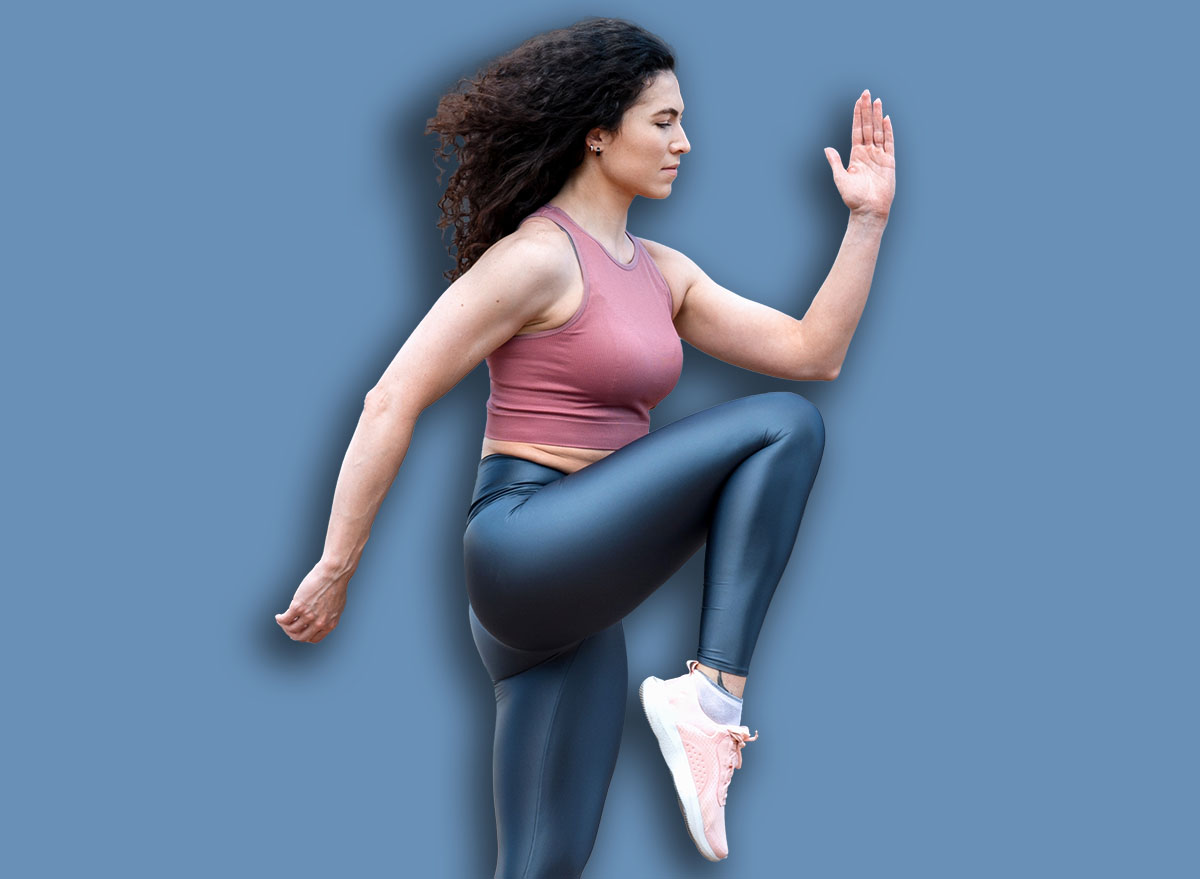
This movement powerfully activates the deep abdominal muscles while simultaneously elevating the heart rate, contributing to fat burning. The standing position inherently engages the supporting leg’s glutes and core for stabilization, while the knee drive motion targets the hip flexors and lower abdominals without the spinal strain associated with traditional crunches.
- Muscles Engaged: Lower abdominals, hip flexors, gluteal muscles, deep core stabilizers.
- Execution Guide: Begin standing tall with feet hip-width apart, engaging your core. Shift your weight slightly onto one leg. Slowly draw the opposite knee upwards towards your chest, maintaining a controlled motion and keeping your torso upright. Pause briefly at the peak of the movement, focusing on the contraction in your lower abdomen, then gently lower the foot back to the starting position.
- Common Form Errors to Avoid: Do not allow your body to sway or lean excessively. Avoid using momentum to lift the leg; instead, initiate the movement from the core. Keep your spine elongated, preventing any rounding or arching.
- Recommended Parameters: Perform 2-3 sets of 12-15 repetitions on each side.
- Progression/Modification Tips: For added challenge, hold a light weight in your hands and press it overhead as the knee lifts. For easier execution, use a wall or chair for balance support.
2. Rotational Torso Chop
This dynamic, full-body rotational exercise effectively targets the oblique muscles, which are vital for cinching the waist and creating a sculpted appearance. The comprehensive nature of the wood chop movement also significantly boosts calorie expenditure by engaging multiple muscle groups. It strengthens the rotational capacity of the core, which is essential for daily twisting actions like reaching into a car’s back seat or looking over your shoulder.
- Muscles Engaged: Obliques, transverse abdominis, shoulders, legs, glutes.
- Execution Guide: Stand with feet shoulder-width apart, holding a light weight (or simply clasping your hands) diagonally across your body, for example, at your left hip. With a slight bend in your knees, rotate your torso and lift the weight diagonally upwards and across your body towards the opposite shoulder (e.g., right shoulder), mimicking a chopping motion. Control the return to the starting position.
- Common Form Errors to Avoid: Ensure the power originates from your core and torso rotation, not solely from your arms. Avoid excessive spinal twisting or allowing your hips to lead the rotation independently of your upper body. Maintain a controlled movement, preventing any jerking motions.
- Recommended Parameters: Complete 2-3 sets of 12-15 repetitions on each side.
- Progression/Modification Tips: Increase the weight for a greater challenge. To modify, perform without weight, focusing solely on the rotational engagement.
3. Overhead March with Abdominal Bracing
Holding the arms overhead during marching significantly intensifies core engagement, particularly activating the transverse abdominis—the deep muscle layer that functions like a natural corset around the midsection. This overhead posture simultaneously promotes improved spinal alignment. The marching component integrates a cardiovascular element, enhancing calorie burn, while the stable overhead hold actively strengthens the musculature responsible for upright posture.

- Muscles Engaged: Transverse abdominis, deep core stabilizers, shoulders, hip flexors.
- Execution Guide: Stand tall with feet hip-width apart, extending both arms straight overhead, keeping them close to your ears. Actively pull your ribs down and brace your core, as if preparing for a gentle punch to the stomach. Begin marching in place, alternately lifting each knee towards your chest while maintaining the overhead arm position and a stable, braced torso.
- Common Form Errors to Avoid: Prevent your lower back from arching excessively when your arms are overhead; actively engage your core to maintain a neutral spine. Avoid allowing your shoulders to shrug up towards your ears; keep them relaxed but engaged.
- Recommended Parameters: Perform 2-3 sets, each lasting 30-60 seconds.
- Progression/Modification Tips: To increase intensity, hold light dumbbells overhead. For less challenge, perform the marching without the overhead arm position, focusing on core bracing.
4. Lateral Flexion with Resistance
This exercise directly targets the obliques and other lateral core muscles, contributing to a more defined waistline. The lateral bending motion strengthens the muscles crucial for maintaining stability from side to side, which is vital for fall prevention and overall balance. Holding a weight on one side compels the opposite side of the core to work harder to resist gravity, building substantial strength through counter-resistance.
- Muscles Engaged: Obliques, lateral abdominal muscles, deep core stabilizers.
- Execution Guide: Stand with your feet hip-width apart, holding a dumbbell or kettlebell in one hand, letting it hang naturally at your side. Keep your other hand on your hip or behind your head. Maintaining a tall posture, slowly bend sideways towards the weighted side, allowing the weight to pull you gently. Feel the stretch on the opposite side of your torso. Use your side abdominal muscles to pull your torso back to the upright starting position, emphasizing control.
- Common Form Errors to Avoid: Avoid bending forward or backward; the movement should be purely lateral. Do not shrug the shoulder of the weighted arm; keep it relaxed. The return phase should be slow and controlled, engaging the core muscles, rather than a quick rebound.
- Recommended Parameters: Complete 2-3 sets of 12-15 repetitions on each side.
- Progression/Modification Tips: Increase the weight for a more significant challenge. To make it easier, perform without weight, focusing on muscle activation.
5. Unilateral Limb Extension (Standing Bird Dog)
This advanced movement significantly challenges balance while engaging the entire core, lower back, and gluteal muscles. The anti-rotational component, which requires resisting the natural tendency to twist as a leg is extended, is particularly effective for cultivating robust core stability. This directly translates to superior balance and coordination in daily activities. The single-leg stance also fortifies stabilizing muscles, enhancing the ability to recover from stumbles.
- Muscles Engaged: Entire core (rectus abdominis, obliques, transverse abdominis), lower back, glutes, hip flexors, stabilizing muscles of the standing leg.
- Execution Guide: Begin standing tall with feet hip-width apart, bracing your core. Shift your weight onto one leg. Simultaneously extend the opposite arm forward at shoulder height and the opposite leg straight back behind you, aiming to create a straight line from fingertips to heel. Keep your hips level and square to the front, avoiding any rotation. Hold this extended position for a few seconds, focusing on stability, then slowly return to the starting position.
- Common Form Errors to Avoid: Do not allow your hips to rotate open as you extend your leg; maintain level hips. Avoid excessive arching of the lower back; keep your core engaged to stabilize the spine. Control the movement; do not rush through the extension or return.
- Recommended Parameters: Perform 2-3 sets of 8-10 repetitions per side, holding each extension for 5-10 seconds.
- Progression/Modification Tips: For increased difficulty, hold the extended position longer or perform on an unstable surface (if safe). To modify, perform near a wall or chair for light balance support, or only extend the arm or leg individually.
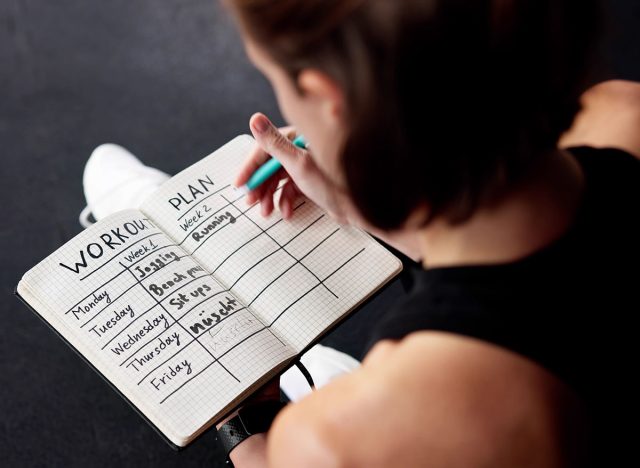
For most individuals over 55, a training frequency of three times per week represents an optimal balance between providing sufficient stimulus for physiological adaptation and allowing adequate recovery time for muscle repair and growth. Spacing these sessions throughout the week—for example, on Monday, Wednesday, and Friday—allows the body to recover effectively while maintaining a consistent training rhythm. On non-training days, incorporating light activities such as walking or gentle stretching can aid in recovery without interfering with progress. Each session, once familiar with the movements, should typically last between 15 and 20 minutes. Beginners should start with two sets of each exercise, gradually progressing to three sets as strength improves. Rest periods of 30-60 seconds between sets are recommended, long enough to regain breath but short enough to maintain an elevated heart rate for cardiovascular benefit. If additional physical activity is desired, it is more beneficial to integrate other forms of exercise, such as walking, swimming, or general resistance training for the limbs, rather than increasing the frequency of this specific core routine. The core musculature is incidentally engaged during nearly all physical activities, providing indirect conditioning even on "off" days. Above all, consistency in practice outweighs sporadic high intensity; three manageable 15-minute sessions completed weekly will yield far superior results compared to an ambitious five-session plan that is rarely fully executed.
Within approximately four weeks of consistent adherence to this routine, individuals can anticipate noticeable functional improvements, often preceding overt visual changes. Daily tasks like rising from a chair may feel less strenuous, and an unforced, taller posture might become habitual. Balance and stability are likely to improve discernibly, reducing the reliance on external support when moving. These initial enhancements stem from neurological adaptations, as the central nervous system becomes more adept at activating previously underutilized core and deep stabilizing muscles. Around this time, clothing may begin to fit differently around the waist, even if the bathroom scale has shown only minor fluctuations. This is primarily due to enhanced muscle tone within the core, which effectively cinches the abdominal area more tightly. Some individuals report a reduction of 1-2 inches from their waist measurement within the first month, though individual results vary based on starting point and dietary habits.
By the eight-week mark, visual transformations typically become more pronounced. A flatter stomach and a more defined waistline are common observations, often prompting comments from others regarding apparent weight loss or improved posture, which will be evident in reflections and photographs. Exercises that initially felt challenging will have become more manageable, allowing for longer holds, more repetitions, or the use of heavier resistance where applicable. Many progress from needing assistance for the unilateral limb extension to performing it with complete independence. Combined with a mindful approach to nutrition, consistent engagement with these exercises three times weekly can lead to an overall shift in body composition, typically resulting in a fat loss of 1-2 pounds per week, with a significant portion originating from the midsection. Beyond aesthetics, the benefits extend to a substantial reduction or complete alleviation of back discomfort, a marked increase in confidence regarding balance, and greater ease in performing daily activities or engaging in hobbies that previously caused fatigue, all thanks to a more efficiently stabilized body. While consistency is paramount—missed sessions will naturally slow progress—the functional and aesthetic improvements offered by these standing core exercises manifest relatively quickly due to their direct relevance to everyday movement patterns.
About the Author