As individuals navigate the physiological shifts that accompany aging, particularly after reaching the fifth decade of life, many observe a noticeable redistribution of body fat, with a pronounced tendency for accumulation around the midsection. This phenomenon, often termed "stubborn belly fat," presents a unique challenge that conventional fitness approaches, such as sustained cardiovascular exercise, may not adequately address. While aerobic activities like spin classes are undeniably beneficial for enhancing cardiovascular health and endurance, their efficacy in remodeling body composition, specifically in reducing central adiposity in an older population, is often less pronounced than commonly assumed. A more strategic, strength-focused methodology, informed by an understanding of age-related metabolic and hormonal changes, is gaining traction among fitness professionals.
The biological landscape of the human body undergoes significant transformations beyond the age of 50, impacting how fat is stored and metabolized. A primary factor is the natural decline in lean muscle mass, a process known as sarcopenia, which begins in earnest in midlife. Muscle tissue is metabolically active, meaning it burns more calories at rest compared to fat tissue. As muscle mass diminishes, the basal metabolic rate (BMR)—the energy expended by the body at rest—naturally slows down. This reduction in caloric expenditure makes it easier to accumulate excess energy as fat. Furthermore, hormonal fluctuations play a critical role. In women, the onset of perimenopause and menopause brings a significant reduction in estrogen levels, which is strongly linked to a shift in fat storage from the hips and thighs to the abdomen. Men also experience a gradual decrease in testosterone, which can contribute to increased abdominal fat and reduced muscle mass. Elevated levels of cortisol, the stress hormone, also contribute to the accumulation of visceral fat, a particularly harmful type of fat stored deep within the abdominal cavity around organs. Insulin resistance, a condition where the body’s cells become less responsive to insulin, can also develop or worsen with age, promoting further fat storage, particularly in the midsection.
Given these complex physiological changes, relying solely on steady-state cardio, while valuable for heart health, proves insufficient for comprehensive abdominal fat management. Felicia Hernandez, an NASM-certified personal trainer and community engagement lead at Eden Health Club, emphasizes this distinction. "While endurance activities like cycling burn calories during the workout session, they do not effectively stimulate the growth of metabolically active tissue that continues to burn fat throughout the day," Hernandez explains. She elaborates that addressing mid-abdominal fat often requires a shift in focus from merely "burning more" to strategically activating deep stabilizing muscles and influencing the body’s hormonal environment through resistance and core-centric strength training. The popular notion of "spot reduction," the idea that exercising a specific body part will reduce fat in that area, is largely a myth. However, targeted exercises can build muscle in particular areas, and this increase in muscle mass, combined with systemic fat loss through a comprehensive fitness and nutrition strategy, contributes to an overall more toned and sculpted physique, including the abdominal region.
The key to achieving a more defined and resilient midsection, particularly for those over 50, lies in fostering robust core strength. This goes beyond superficial abdominal muscles, delving into the deep stabilizers like the transverse abdominis, often referred to as the body’s "internal corset muscle." This muscle wraps around the torso, providing crucial support for the spine and contributing to a naturally cinched waistline when properly engaged. By activating these intrinsic core muscles, individuals can achieve not only aesthetic improvements but also significant functional benefits, including enhanced posture, improved balance, reduced incidence of lower back pain, and greater overall stability in daily movements. These exercises also engage a broader range of muscle fibers, leading to a more substantial metabolic boost compared to repetitive cardio. Hernandez advocates for a quartet of daily, low-impact, functional exercises that specifically target these deep core muscles and promote total-body fat loss.
The first recommended movement is the Standing Band Woodchop (Low to High). This dynamic exercise is performed with a resistance band anchored low to the ground. The individual grasps the band handle with both hands, starting with the hands near the anchor point, and then rotates and pulls the band diagonally upwards across the body to the opposite shoulder, mimicking a chopping motion. Hernandez highlights that this exercise simultaneously engages rotational strength, core control, and the oblique muscles, which are crucial for sculpting the waistline. Unlike purely sagittal plane movements often found in cardio, the woodchop integrates the transverse plane of motion, challenging the core to stabilize against rotational forces. This comprehensive engagement not only contributes to caloric expenditure but also builds functional strength essential for everyday activities and athletic performance, making it far more impactful for body recomposition than sustained pedaling.
Next in the regimen is the Loaded Carry With March. This exercise involves holding a weight (such as a dumbbell or kettlebell) in one hand while walking with a high-knee marching motion. The primary benefit of the loaded carry, particularly when combined with a march, lies in its demand for unilateral (one-sided) tension and stability. The body is forced to resist lateral flexion and rotation, intensely activating the side-body muscles, including the obliques and quadratus lumborum, as well as the deep core stabilizers. The marching component further challenges balance and pelvic alignment, demanding precise control from the hip flexors and core. Hernandez describes this as a "functional core finisher and posture fixer," noting its dual role in reinforcing midline coordination and promoting an upright stance. This compound movement elevates the heart rate while building strength and stability, offering a more comprehensive metabolic and structural benefit than many traditional cardio exercises.
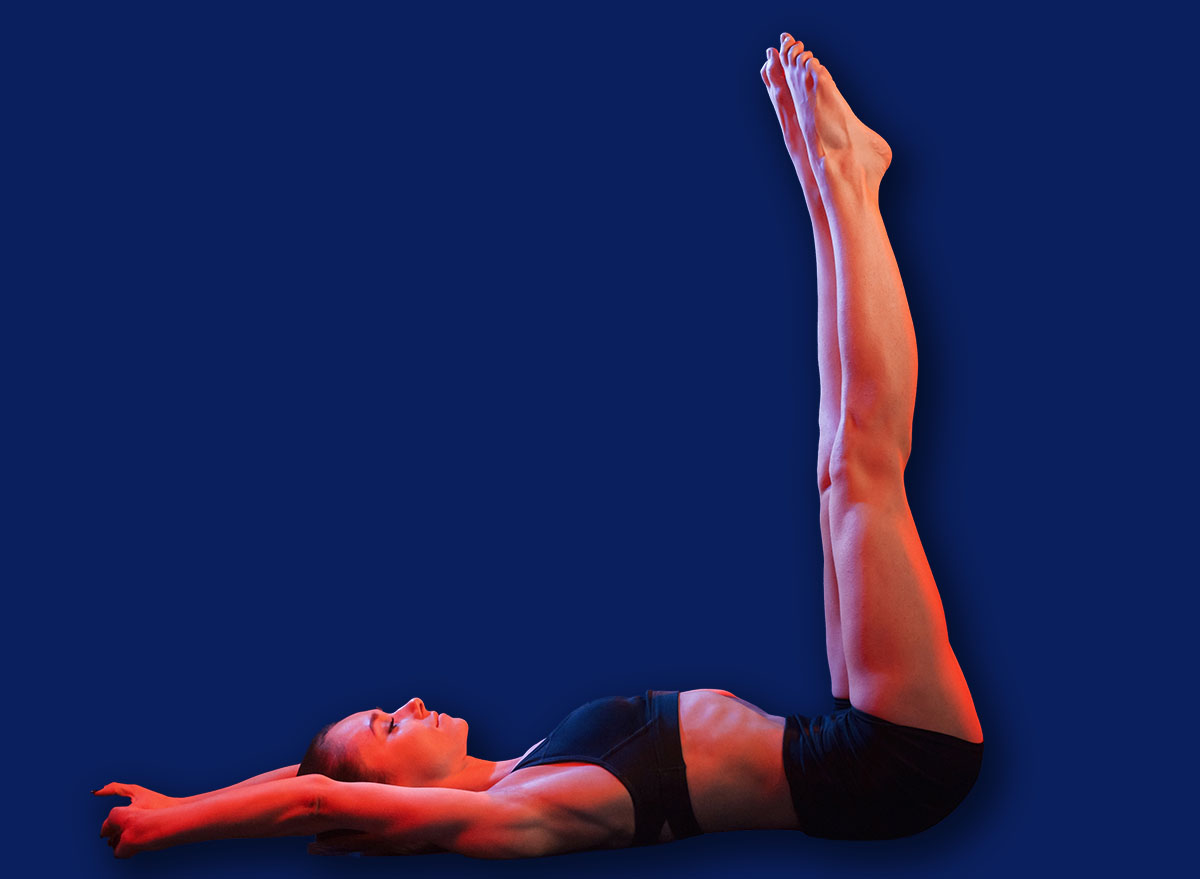
The third exercise, the Slow Motion Leg Lowers (On Mat or Bed), specifically targets the often-neglected lower abdominal muscle fibers. Performed lying on one’s back, this movement involves slowly lowering both legs from an elevated position towards the floor, maintaining a flat lower back by pressing it into the mat or bed. The controlled, deliberate pace of the leg lowering necessitates deep engagement of the rectus abdominis and transverse abdominis, particularly in their lower regions. This focus on eccentric control and deep core activation is precisely what many cardio routines overlook. Hernandez points out that this exercise "teaches deep engagement, the exact spot most cardio ignores." By isolating and strengthening these muscle groups, individuals can improve core endurance and control, which are foundational for a flatter, stronger midsection, effectively recruiting muscles that steady-state cardio often bypasses.

Finally, the Cross-Body Knee Drives (Standing or Elevated) offer a dynamic approach to core engagement. This exercise involves bringing one knee across the body towards the opposite elbow, either from a standing position or with hands elevated on a stable surface. This movement combines abdominal activation, hip mobility, and a light cardiovascular element. The cross-body motion effectively engages the obliques and transverse abdominis while also improving hip flexion and coordination. Hernandez describes it as "a game-changer for stubborn layers you just can’t ‘bike’ off," underscoring its multifaceted benefits. It builds strength, improves flexibility, and elevates heart rate in a way that actively recruits core muscles for stabilization and power, making it a highly efficient movement for individuals seeking to address abdominal fat while enhancing functional fitness.
While these targeted exercises are powerful tools for reshaping the midsection and improving metabolic health, their effectiveness is amplified when integrated into a holistic wellness framework. Factors such as a balanced, nutrient-dense diet rich in protein and fiber, adequate hydration, sufficient sleep, and effective stress management techniques are all critical components in managing age-related weight gain and abdominal fat. Elevated stress, for example, can lead to increased cortisol production, which, as previously noted, promotes fat storage in the abdominal area. Prioritizing these lifestyle elements alongside a consistent, informed exercise routine provides the most comprehensive strategy for long-term success.
In conclusion, for individuals over 50 seeking to manage abdominal fat and improve overall body composition, a paradigm shift from purely cardio-centric routines towards a more targeted, strength-based approach is highly beneficial. Understanding the unique physiological changes associated with aging—including hormonal shifts, muscle loss, and metabolic slowdown—allows for the adoption of more effective strategies. By prioritizing exercises that activate deep core stabilizers and build lean muscle mass, as championed by experts like Felicia Hernandez, individuals can foster a stronger, more stable midsection and achieve more sustainable results than relying solely on traditional aerobic activities. Consistency, combined with a comprehensive understanding of the body’s evolving needs, remains the cornerstone of successful midlife fitness.
About the Author