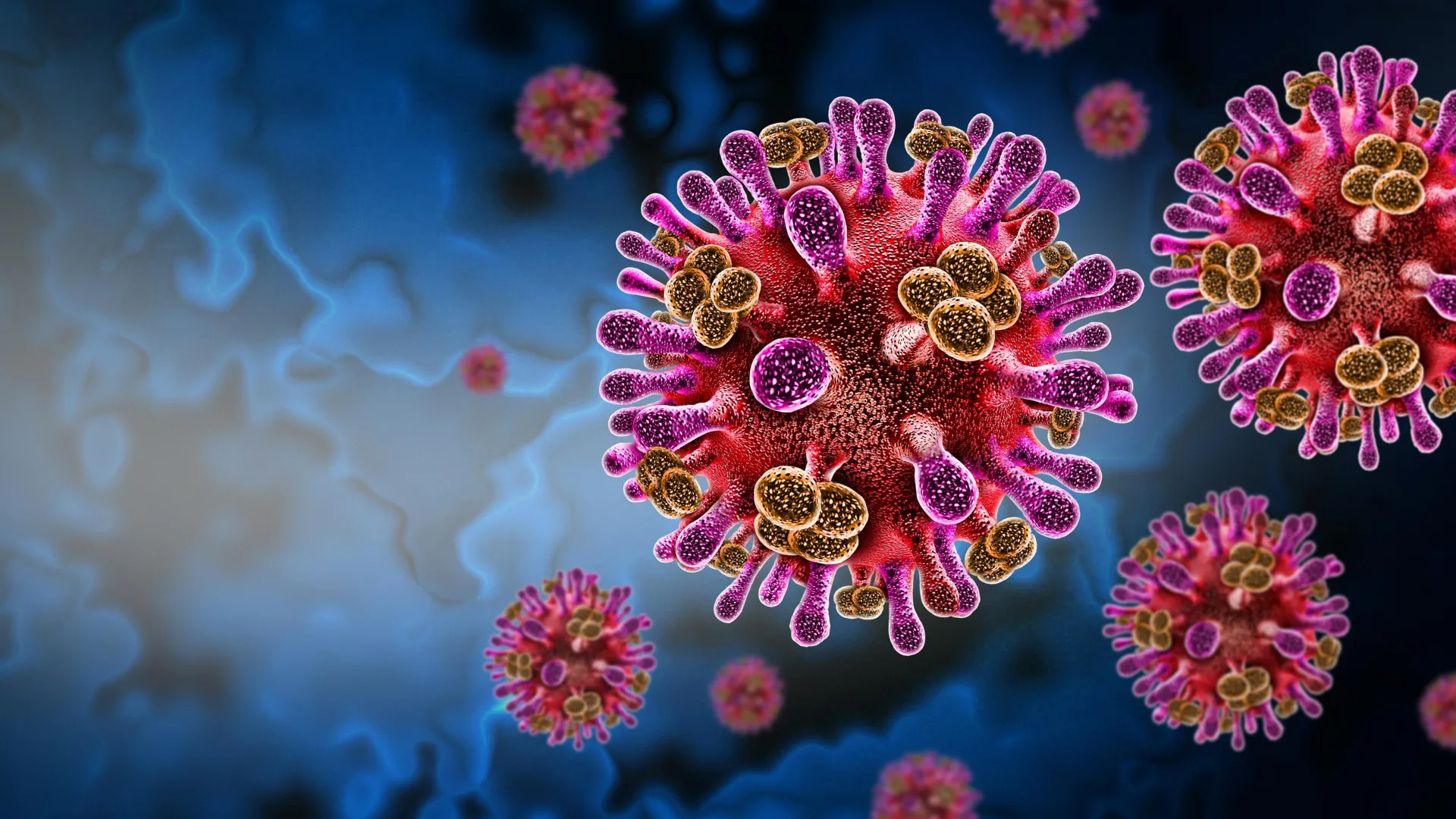
A significant discovery in the field of infectious disease research has brought to light Pteropine orthoreovirus (PRV) as a new agent of human infection in Bangladesh. This bat-originating virus was detected in archived throat swab specimens and subsequent viral cultures derived from five individuals who had presented with severe illness, initially prompting suspicion of Nipah virus infection. However, comprehensive diagnostic evaluations had previously excluded Nipah as the causative pathogen. The identification of PRV in these cases marks its inclusion in the expanding roster of zoonotic viruses circulating within the South Asian nation, underscoring the necessity for clinicians to consider a broader spectrum of potential etiologies when evaluating patients exhibiting Nipah-like symptoms. The comprehensive findings of this investigation were recently published in the esteemed journal Emerging Infectious Diseases.
The clinical presentations of the five patients, hospitalized between December 2022 and March 2023, were strikingly similar to those associated with Nipah virus, a highly pathogenic zoonotic agent endemic to the region. Their symptoms encompassed a range of indicators, including elevated body temperature, emesis, severe cephalalgia, profound fatigue, heightened salivation, and various neurological manifestations. Given the epidemiological context and the characteristic symptoms, Nipah virus was the primary differential diagnosis. Nevertheless, rigorous laboratory analyses, employing both polymerase chain reaction (PCR) and serological techniques, consistently yielded negative results for Nipah virus markers. This diagnostic impasse prompted further, more advanced investigation into the etiology of their severe, unexplained illnesses.
In an effort to unravel the mystery behind these atypical Nipah-negative cases, researchers deployed a sophisticated diagnostic methodology known as high-throughput, agnostic viral capture sequencing (VCS). This cutting-edge technique, patented and developed at the Center for Infection and Immunity (CII) at Columbia University’s Mailman School of Public Health, proved instrumental in identifying the elusive pathogen. Unlike traditional targeted diagnostic tests that search for specific viruses, VCS offers a panoramic view, capable of screening for virtually all known viral infections across vertebrate hosts, including those carried by bats. Its remarkable sensitivity is comparable to standard PCR testing, yet it simultaneously processes samples to detect thousands of potential viral agents and generates near-complete genomic sequences, providing a wealth of information. This technological prowess enabled scientists to uncover genetic material belonging to PRV within the stored throat swab samples. Furthermore, in three of the five patient cases, researchers successfully cultivated the virus in laboratory cultures, definitively confirming the presence of active infection and the viability of the identified pathogen. The CII also utilizes a complementary tool, Bacterial Capture Sequencing (BCS), which extends this broad-spectrum detection capability to disease-causing bacteria and genes associated with antibiotic resistance, highlighting the versatility of these advanced molecular platforms in both clinical and research environments.
A critical epidemiological link emerged from the investigation: all five patients reported recent consumption of raw date palm sap. This sweet, unprocessed liquid is traditionally harvested during the colder months in Bangladesh and is a known attractant for bats. The practice of collecting and consuming raw sap has long been identified as a primary conduit for Nipah virus transmission to humans in the country, given that fruit bats, particularly those of the Pteropus genus, are natural reservoirs for the virus and frequently contaminate the sap with their saliva, urine, or droppings. The discovery of PRV in individuals linked to this same exposure route highlights a broader, previously unrecognized zoonotic risk associated with date palm sap consumption. Bats, as a mammalian order, are globally recognized as reservoirs for an astonishing array of zoonotic viruses, including highly lethal pathogens such as rabies, Hendra, Marburg, and the progenitor of the severe acute respiratory syndrome coronavirus (SARS-CoV-1), in addition to Nipah.
Dr. Nischay Mishra, an associate professor of epidemiology at the Center for Infection and Immunity (CII) at Columbia University Mailman School of Public Health and the senior author of the study, emphasized the expanded spectrum of risks. "Our findings unequivocally demonstrate that the potential for disease transmission associated with the consumption of raw date palm sap extends beyond the well-established threat posed by Nipah virus," Dr. Mishra stated. He further underscored the strategic importance of implementing broad-spectrum surveillance initiatives. "This discovery accentuates the imperative for comprehensive surveillance programs designed to proactively identify and mitigate public health hazards stemming from emergent bat-borne viruses." Such programs are vital for early detection and rapid response to novel zoonotic threats.
The severity of illness observed in the five PRV-infected patients in Bangladesh contrasted with reports of typically milder PRV infections documented in neighboring countries. This discrepancy suggests a concerning possibility: that less severe or asymptomatic cases of PRV infection might be occurring in Bangladesh without being clinically diagnosed or reported, leading to an underestimation of the virus’s true prevalence and public health impact. The collaborative Nipah virus surveillance program, a joint effort between Bangladesh’s Institute of Epidemiology, Disease Control and Research (IEDCR), the International Centre for Diarrheal Disease Research, Bangladesh (icddr,b), and the U.S. Centers for Disease Control and Prevention (CDC), played a crucial role in identifying these cases, showcasing the value of robust, international public health partnerships. Dr. Tahmina Shirin, Director of the Institute of Epidemiology, Disease Control, and Research (IEDCR) and the National Influenza Centre (NIC) in Bangladesh, highlighted the significance of the finding. "The emergence of this new zoonotic spillover agent, capable of causing respiratory and neurological complications following raw date palm sap consumption, represents another layer of public health concern alongside Nipah virus infection," Dr. Shirin commented, reiterating the evolving landscape of infectious diseases in the region.
Building upon the initial human detections, subsequent research, financially supported by the U.S. Department of Agriculture, embarked on a critical mission to pinpoint the likely reservoir of infection. Dr. Mishra and his research team successfully identified genetically analogous Pteropine orthoreoviruses in bat populations captured in close proximity to the geographical locations where the human cases had been documented, specifically within the Padma River Basin. While this data remains unpublished, it provides compelling, preliminary evidence directly linking bat reservoirs to human infections. This crucial epidemiological connection is fundamental to understanding the complete transmission cycle of PRV.
Dr. Ariful Islam, a bat-borne disease ecologist and epidemiologist at Charles Sturt University, Australia, and a co-first author of the study, articulated the importance of these findings and the ongoing research trajectory. "This research offers pivotal evidence establishing a direct link between bat reservoirs and human infection," Dr. Islam explained. "Our current efforts are focused on dissecting the intricate mechanisms of spillover from bats to both humans and domestic animal populations, as well as elucidating the broader ecological dynamics of emerging bat-borne viruses within communities residing along the Padma River Basin." Such ecological investigations are paramount for developing targeted prevention strategies and for predicting future spillover events. Understanding the interplay between bat populations, environmental factors, human behavior, and viral evolution is key to mitigating the risks posed by these emergent pathogens.
The multi-institutional and international collaboration that underpinned this significant discovery involved a broad array of experts. Sharmin Sultana, an assistant professor of Virology and Senior Scientific Officer at the Institute of Epidemiology, Disease Control and Research (IEDCR) in Bangladesh, co-led the study, demonstrating strong local scientific leadership. Additional vital contributions came from James Ng, Sunil Kumar Dubey, Cheng Guo, and W. Ian Lipkin from the Center for Infection and Immunity (CII) at Columbia University; Manjur Hossain Khan from IEDCR; Mohammed Ziaur Rahman and Moinuddin Satter from icddr,b; Joel M. Montgomery of the CDC’s National Center for Emerging and Zoonotic Infectious Diseases; and Lisa Hensley from the Zoonotic and Emerging Disease Research Unit at the United States Department of Agriculture. Financial backing for this crucial research was provided through agreements between the United States Department of Agriculture and Columbia University (NACA-58-3022-2-021, NACA- 58-3022-4-053), underscoring the commitment to understanding and combating emerging zoonotic threats.
About the Author