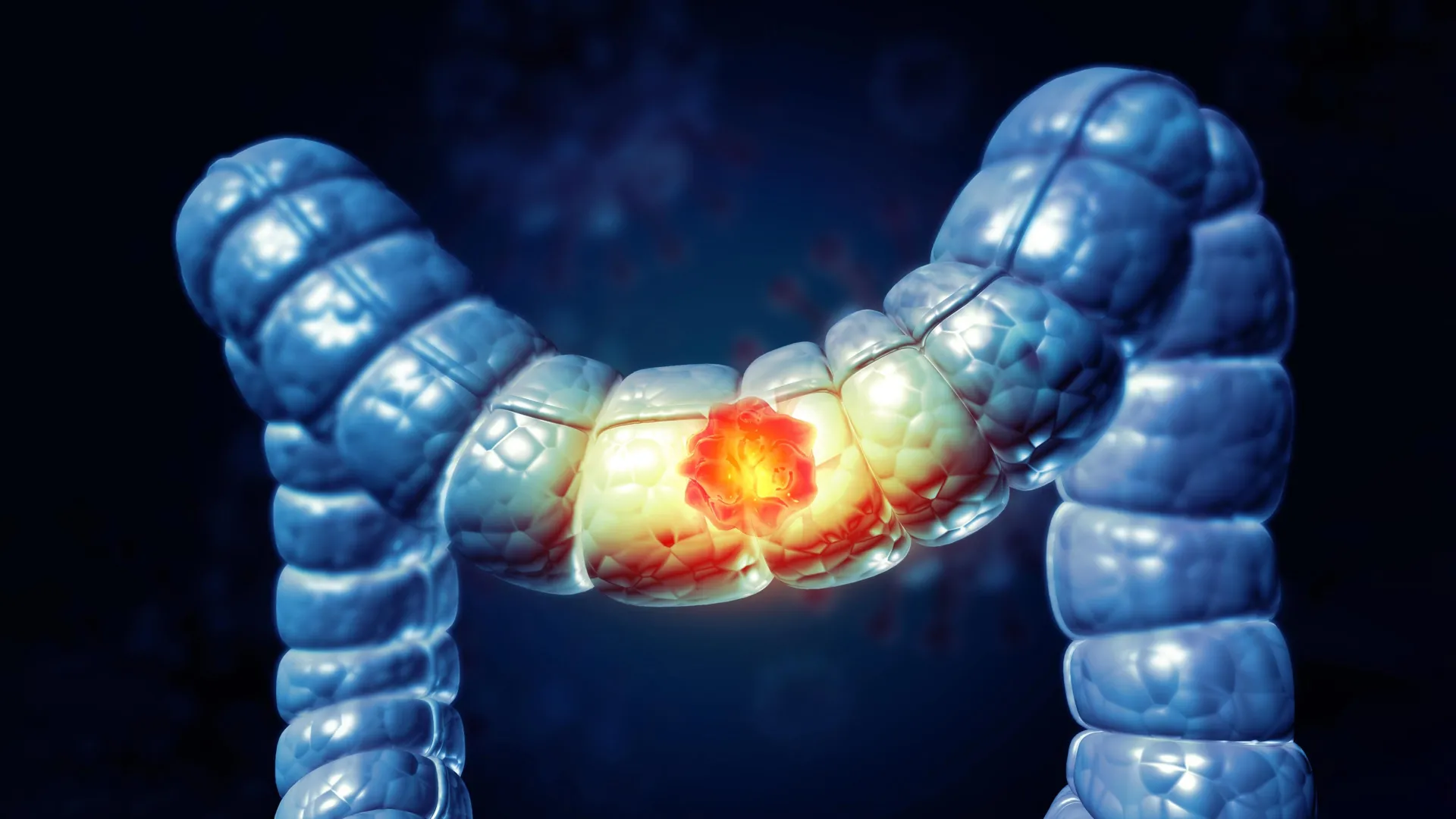
A groundbreaking investigation has illuminated a novel mechanism potentially driving the alarming rise of colorectal cancer (CRC) among younger adults: the physical alteration and stiffening of colon tissue due to prolonged inflammation. This pioneering research suggests that chronic inflammatory processes can fundamentally reshape the microenvironment of the colon, creating conditions that not only foster the development of malignant cells but also accelerate their proliferation and spread. Published in the journal Advanced Science, these findings open significant new avenues for identifying individuals at elevated risk and for designing targeted therapeutic interventions against this increasingly prevalent and aggressive form of CRC.
For decades, medical science has grappled with the perplexing surge in early-onset colorectal cancer, defined as diagnoses occurring before the age of 50. While overall rates of CRC have seen a steady decline in older populations since the 1990s—a trend often attributed to improved screening methods like colonoscopies and a better understanding of lifestyle risk factors—the incidence among younger demographics has moved in a starkly opposite direction. This demographic shift represents a critical public health challenge, as early-onset CRC now constitutes approximately 12% of all colorectal cancer cases within the United States, a figure that has climbed dramatically over the last three decades. The underlying reasons for this concerning upward trajectory have largely remained elusive, prompting intensive research into potential environmental exposures, dietary habits, obesity, and genetic predispositions that might contribute to chronic gut inflammation. However, the precise biological links connecting inflammation to the initiation and progression of early-onset CRC have, until now, been poorly understood.
The collaborative study, spearheaded by researchers from UT Southwestern Medical Center in partnership with scientists from The University of Texas at Dallas, shifts the paradigm by focusing on the biomechanical properties of the colon. Dr. Emina Huang, Professor of Surgery in the Division of Colon and Rectal Surgery and Executive Vice Chair of Research for Surgery at UT Southwestern, alongside her team, hypothesized that persistent inflammation could lead to a process akin to scarring within the colon’s delicate tissues. This scarring, or fibrosis, gradually alters the structural integrity of the tissue, increasing its rigidity over time. Such fibrotic changes are well-established contributors to tumor development and metastasis in other organs, including the pancreas and breast. The central question for Dr. Huang and her colleagues was whether a similar biomechanical transformation plays a pivotal role in the pathogenesis of early-onset CRC.
"We view this investigation as a substantial leap forward in our capacity to pinpoint individuals susceptible to early-onset CRC and to devise innovative strategies for their treatment," stated Dr. Huang, who also holds professorships in Biomedical Engineering and within the Harold C. Simmons Comprehensive Cancer Center. Echoing this sentiment, Dr. Jacopo Ferruzzi, Assistant Professor of Bioengineering at UT Dallas and Biomedical Engineering at UT Southwestern, emphasized the novelty of their findings: "This represents the inaugural study to underscore the critical influence of biomechanical forces in the genesis of early-onset CRC. Our observations consistently span various scales, establishing a clear connection between the stiffening of connective tissue and subsequent alterations in biochemical signaling within cancer cells."
To rigorously test their hypothesis, the research team meticulously analyzed colon tissue samples procured from patients undergoing tumor resection surgeries at William P. Clements University Hospital and Parkland Health. The cohort included 19 samples from individuals diagnosed with average-onset CRC (typically after age 50) and 14 samples from patients with early-onset CRC. Crucially, each sample set encompassed both cancerous tumor tissue and adjacent, seemingly non-cancerous tissue, allowing for a comparative analysis of local microenvironmental changes.
The analytical phase yielded striking results. Biomechanical testing unequivocally demonstrated that colon tissue derived from early-onset CRC patients exhibited significantly greater stiffness compared to samples from older patients. Remarkably, this elevated rigidity was not confined solely to the cancerous lesions but extended into the surrounding non-tumor areas. This particular finding carries profound implications, suggesting that the increase in tissue stiffness may be a precursor event, occurring even before the overt manifestation of a full-blown malignancy, thereby potentially contributing to the very initiation of cancer.
Delving deeper into the structural underpinnings of this observed rigidity, the scientists focused their attention on collagen, a fibrous structural protein that is a primary component of connective tissue. Collagen undergoes significant qualitative and quantitative changes during fibrotic processes, becoming more abundant and altering its organizational architecture. Analysis of the early-onset CRC tissue revealed distinctive characteristics: the collagen was notably denser, displayed elongated fiber lengths, exhibited a more mature cross-linking profile, and was arranged in a remarkably uniform, aligned fashion. These specific features are hallmarks of extensive scarring and fibrosis, providing compelling evidence for widespread structural reorganization within the colon of younger CRC patients.
Further molecular investigations corroborated these physical observations. Gene expression profiling of the early-onset CRC samples indicated heightened activity in genes intimately involved in collagen metabolism, the formation of new blood vessels (angiogenesis), and inflammatory pathways. This molecular signature strongly reinforces the hypothesis that chronic inflammation serves as a primary driver, initiating a cascade of events that ultimately leads to the observed tissue stiffening and fibrotic remodeling.
Perhaps one of the most intriguing aspects of the study involved the discovery of increased activity in pathways related to mechanotransduction. Mechanotransduction is a fundamental biological process through which cells sense and respond to physical cues—such as the stiffness or elasticity of their surrounding environment—and translate these mechanical signals into biochemical responses that influence cell behavior, including growth, differentiation, and migration. The elevated activity in these pathways suggests that cancer cells within the rigid microenvironment of early-onset CRC are actively sensing and adapting to their physically altered surroundings, potentially leveraging these conditions for their own advantage.
To experimentally validate this concept, the researchers conducted a series of sophisticated laboratory experiments. Colorectal cancer cells cultured on artificial surfaces engineered to mimic the stiffness found in early-onset CRC tissue demonstrated accelerated proliferation rates and further contributed to local rigidity. In a more complex three-dimensional setting, organoid models—miniature, self-organizing tissue structures grown from CRC cells—also exhibited enhanced growth and increased size when cultivated in stiffer environments. These in vitro and organoid model findings provide robust functional evidence, confirming that a rigid tissue milieu can indeed directly influence and promote aggressive cancer cell behavior.
Collectively, the extensive body of evidence generated by this study paints a compelling picture: a biomechanically rigid colon environment, often a consequence of chronic inflammation, may not only act as a catalyst for the emergence of colorectal cancer in younger individuals but also actively accelerate its progression. The profound implications of these findings extend to both diagnostic and therapeutic realms.
From a diagnostic perspective, Dr. Huang envisions the development of novel screening tools specifically engineered to measure intestinal stiffness. Such non-invasive or minimally invasive techniques could one day serve as a crucial early warning system, identifying individuals at heightened risk for early-onset CRC, much in the same way that colonoscopies are routinely employed for the screening of average-onset disease. This could revolutionize early detection, allowing for interventions before the disease becomes advanced.
On the therapeutic front, the research suggests an entirely new class of treatment strategies. By unraveling the critical role of mechanotransduction, the study points towards the potential for developing drugs that specifically target these mechanical signaling pathways. Interrupting how cancer cells sense and respond to tissue stiffness could effectively slow or even halt tumor development and spread. This approach is already under active investigation for various other cancers where biomechanical forces are recognized as significant contributors to disease progression.
Dr. Huang, who holds the Doyle L. Sharp, M.D. Distinguished Chair in Surgical Research and is a member of the Cellular Networks in Cancer Research Program at Simmons Cancer Center, highlighted the collaborative spirit that underpinned this complex research. The comprehensive study received crucial financial backing from multiple prestigious organizations, including the National Institutes of Health (R01 CA234307 and U01 CA214300), The University of Texas at Dallas Office of Research and Innovation through its CoBRA program, the Burroughs-Wellcome Trust, and the American Society of Colon and Rectal Surgeons Resident Research Initiation Grant, among others. This extensive support underscores the recognized importance and transformative potential of investigating the biomechanical landscape of cancer. By shifting focus from solely genetic and cellular anomalies to the physical properties of the tumor microenvironment, this research offers a powerful new lens through which to understand and ultimately combat the challenging enigma of early-onset colorectal cancer.
About the Author