As individuals advance into their later years, a common yet often overlooked challenge emerges: the diminishing capacity to maintain an upright posture for extended durations without experiencing discomfort or fatigue. This reduction in what can be termed "sustained upright stability" significantly impacts the autonomy and quality of life for many seniors, influencing everything from preparing meals and shopping to engaging in social interactions. While general physical activity, such as walking, is widely recommended for its cardiovascular benefits, it frequently falls short in addressing the specific muscular endurance required to remain comfortably stationary for prolonged periods. A targeted approach, utilizing specific seated exercises, offers a potent solution to fortify the musculature essential for this critical aspect of functional independence.
The physiological mechanisms underlying the decline in prolonged standing ability are complex. With age, sarcopenia—the progressive loss of muscle mass and strength—becomes a prevalent concern. More specifically, there is often a disproportionate atrophy of slow-twitch muscle fibers, which are primarily responsible for endurance and sustained low-level contractions. These fibers are crucial for maintaining posture against gravity. Traditional walking programs, while excellent for cardiovascular health and dynamic leg strength, involve a cyclical pattern of muscle engagement and relaxation. Each step provides a momentary reprieve for the working muscles, meaning they are not consistently challenged to sustain tension. This intermittent demand differs fundamentally from the continuous isometric or low-level isotonic contractions necessary for holding the body upright. When the muscles responsible for stabilizing the hips, knees, and ankles lack the endurance to maintain their contracted state, fatigue sets in rapidly, leading to discomfort, shifting weight, and a general sensation of instability.
This is where chair-based exercises present a distinct advantage. By performing movements while seated, individuals can safely isolate and condition specific muscle groups to sustain effort, all without the added challenge of balance. This environment allows for continuous time under tension, directly training the slow-twitch fibers and enhancing the overall muscular stamina that underpins prolonged standing. The absence of a balance component also makes these exercises highly accessible, mitigating the risk of falls and enabling individuals with varying mobility levels to participate effectively. These specialized drills systematically teach the body to "hold" rather than just "move," fostering the specific type of endurance required for daily activities that demand static or semi-static upright positions.
The strategic integration of specific seated drills can lead to substantial improvements in fatigue resistance and postural support. These exercises are often staples in physical therapy protocols and senior fitness programs due to their efficacy and safety. They focus on controlled movements and sustained holds, mirroring the demands placed on the body during everyday standing tasks.
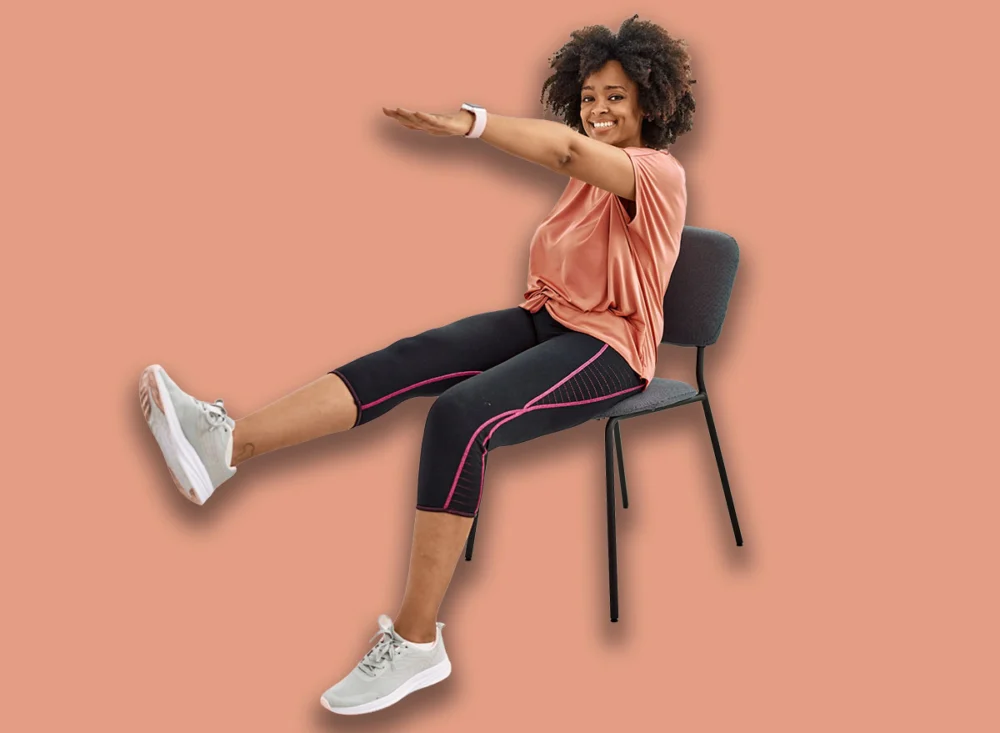
One foundational exercise for bolstering the capacity to stand longer is the Seated Quadriceps Extension with Hold. The quadriceps, located at the front of the thigh, are paramount for knee extension and maintaining a straight leg, which is a constant requirement during standing. When these muscles fatigue, the knees may buckle slightly, shifting weight and compromising overall posture. This exercise involves extending one leg straight out in front of the body, actively engaging the thigh muscles, and then holding that position for an extended period. Unlike dynamic repetitions that build strength through movement, the sustained hold forces the quadriceps to maintain continuous tension, directly enhancing the endurance of slow-twitch fibers. The absence of impact makes it joint-friendly, ideal for older adults who may experience knee discomfort. Regular practice of this movement cultivates the stamina necessary for the quadriceps to support the body efficiently over time, reducing the tendency to lean or shift weight due to leg fatigue.
Another beneficial movement is the Seated Alternating Knee Lift. Prolonged standing necessitates constant micro-adjustments and the ability to subtly shift weight without losing balance. This exercise, often resembling a seated march, involves lifting one knee towards the chest in a controlled manner, then lowering it, and immediately repeating with the opposite leg. This continuous, alternating hip flexion challenges the hip flexors and surrounding musculature, which are vital for leg stability and core engagement. The rhythm ensures that muscles remain actively engaged throughout the exercise sequence, preventing full rest between repetitions and thereby promoting muscular endurance. Beyond the leg muscles, this drill also requires the abdominal and back muscles to maintain an upright seated posture, indirectly strengthening the core stabilizers essential for dynamic trunk control during standing. Its accessibility and simplicity make it a cornerstone of many senior mobility routines, preparing the body for the dynamic stability demands of standing activities.
To directly address the isometric strength and endurance required for static standing, the Seated Isometric Leg Press offers a unique advantage. This exercise simulates the action of pushing down into the ground, engaging the powerful muscles of the lower body without any actual movement. Performed by placing the feet flat on the floor and then consciously pressing them downwards, as if trying to push the floor away, it activates both the quadriceps and the gluteal muscles simultaneously. The key is to maintain this pressing tension for a sustained duration. The lack of motion ensures constant muscular engagement, a stark contrast to the intermittent effort seen in walking. This isometric contraction is highly effective at improving fatigue resistance and reinforcing joint stability, particularly around the knees and hips, which are primary weight-bearing joints. By training these muscle groups to generate and hold tension, individuals develop a more robust foundation for prolonged static postures, reducing the effort required to simply stand still.
Finally, the Seated Calf Raise with Controlled Descent is crucial for bolstering ankle stability and calf muscle endurance. The calf muscles (gastrocnemius and soleus) play a pivotal role in balance, venous return (circulation), and maintaining an upright stance. Fatigue in these muscles can quickly lead to instability, particularly when standing for extended periods. This exercise involves lifting the heels off the floor while seated, contracting the calf muscles, and then slowly lowering them back down. The emphasis on a slow tempo and, optionally, brief pauses at the peak contraction and bottom position, significantly increases the time under tension for these muscles. This methodical approach specifically targets the endurance capabilities of the calf muscles, training them to sustain activation for longer durations. Enhanced calf endurance contributes not only to improved balance and reduced ankle fatigue but also supports better circulation in the lower extremities, which can be beneficial during prolonged standing. This exercise is a staple in routines aimed at improving lower limb mobility and circulatory health in older adults.
The cumulative effect of consistently performing these chair-based exercises extends far beyond merely increasing standing time. It translates into enhanced functional independence, reduced risk of falls, and a greater capacity to participate actively in daily life. From comfortably waiting in line at the grocery store to enjoying extended conversations or engaging in hobbies that require prolonged standing, the improvements can be transformative. Furthermore, by improving muscular endurance and stability, these exercises contribute to better overall postural control, which can alleviate back pain and improve body mechanics.
It is imperative that any new exercise regimen be undertaken with caution and, ideally, after consultation with a healthcare professional or a certified fitness expert, especially for older adults or those with pre-existing health conditions. Proper form is critical to maximize benefits and prevent injury. While video demonstrations can be helpful resources, personalized guidance can ensure that exercises are performed correctly and are appropriate for individual needs and capabilities.
In conclusion, while walking remains an invaluable component of a healthy lifestyle, recognizing its limitations in specifically building sustained upright endurance is key. By strategically incorporating targeted chair-based exercises, older adults can cultivate the precise muscular stamina needed to maintain prolonged standing comfortably and safely. This focused approach offers a powerful pathway to preserving independence, enhancing quality of life, and enabling a more active and engaged experience throughout the later stages of life.
About the Author