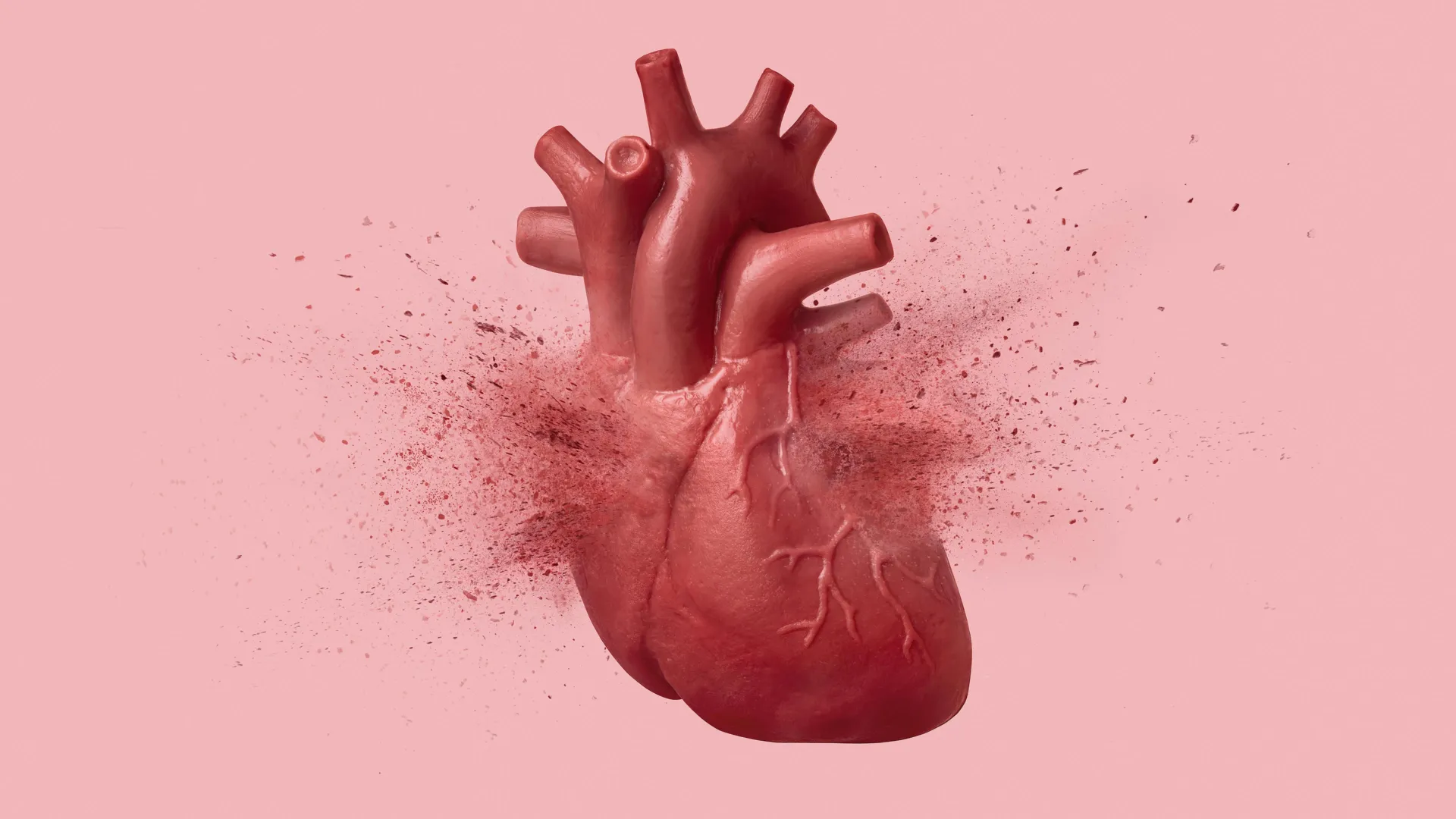
A groundbreaking scientific discovery has shed critical light on a long-standing medical enigma: the disproportionately high incidence of heart-related fatalities among individuals afflicted with chronic kidney disease (CKD). For decades, clinicians have observed a strong, often fatal, association between declining kidney function and severe cardiovascular complications, yet the precise, direct mechanisms linking the two organs remained largely elusive. Now, novel research indicates that compromised kidneys actively release harmful biological nanoparticles into the bloodstream, directly inflicting damage upon cardiac tissue. This elucidation of a specific molecular pathway offers unprecedented opportunities for earlier patient identification and the development of targeted therapeutic interventions.
Chronic kidney disease represents a significant global health burden, affecting more than one in seven adults in the United States alone, translating to approximately 35 million individuals. The condition is characterized by a gradual, often irreversible, loss of kidney function, compromising the organs’ vital role in filtering waste products from the blood, regulating blood pressure, maintaining electrolyte balance, and producing essential hormones. CKD frequently co-occurs with other prevalent health conditions, particularly diabetes and hypertension, where roughly one-third of diabetic patients and one-fifth of those with high blood pressure also contend with some degree of kidney impairment. This intricate web of interconnected health issues has historically complicated efforts to isolate the specific contributions of kidney dysfunction to heart disease, as many patients share overlapping risk factors such as obesity, systemic inflammation, and elevated blood pressure.
The profound connection between kidney and cardiovascular health has been well-documented, leading to the concept of cardiorenal syndrome, which describes the complex interplay where dysfunction in one organ can initiate or exacerbate dysfunction in the other. However, the exact nature of this "crosstalk" at a cellular and molecular level has remained a subject of intense scientific inquiry. Previous theories posited indirect mechanisms, such as chronic inflammation, oxidative stress, mineral and bone disorders (like hyperphosphatemia), and anemia, all of which are common in CKD and contribute to cardiovascular deterioration. While these factors undoubtedly play a role, the recent findings introduce a direct, kidney-specific pathogenic factor, fundamentally altering the understanding of this devastating interaction.
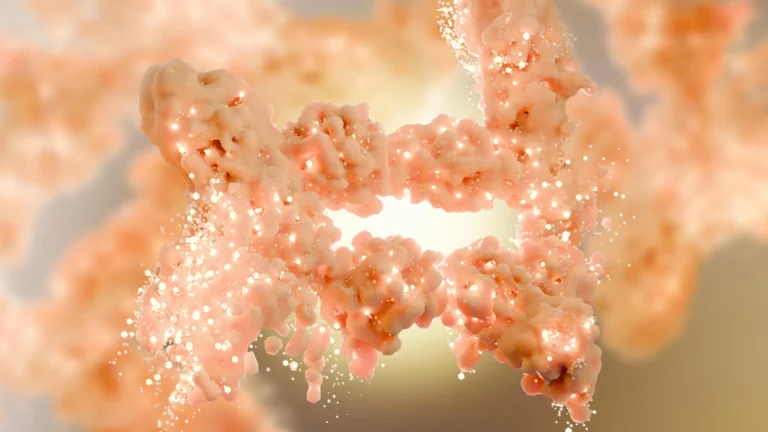
The pivotal discovery, spearheaded by a collaborative team of researchers from UVA Health and Mount Sinai, points to tiny, lipid-encapsulated particles known as "circulating extracellular vesicles" (EVs) as the primary culprits. Extracellular vesicles are naturally produced by virtually all cell types within the body and serve as crucial intercellular messengers. They function as microscopic cargo carriers, transporting a diverse array of biomolecules—including proteins, lipids, and nucleic acids—between cells, thereby facilitating communication and influencing cellular behavior in both local and distant tissues. In healthy individuals, this communication is vital for maintaining physiological homeostasis. However, in the context of chronic kidney disease, the researchers found that these vesicles undergo a critical transformation, becoming vehicles for cellular damage.
Specifically, the investigations revealed that extracellular vesicles originating from diseased kidneys carry a particular type of small, non-coding RNA known as microRNA (miRNA). Unlike messenger RNA, which carries genetic instructions for protein synthesis, miRNAs regulate gene expression by binding to specific messenger RNA molecules, effectively silencing or promoting their translation. The researchers identified that the miRNA carried within these kidney-derived EVs in CKD patients is directly toxic to myocardial cells, the specialized muscle cells of the heart. This toxic cargo, once delivered to heart cells, is hypothesized to disrupt normal cardiac cellular processes, potentially leading to maladaptive remodeling, hypertrophy (enlargement of heart muscle), fibrosis (scarring), and eventually, overt heart failure.
The evidence supporting this groundbreaking hypothesis was compelling and multifaceted. In controlled laboratory experiments involving murine models, the research team demonstrated a direct link between the presence of these kidney-derived EVs and cardiac pathology. When measures were taken to prevent these specific extracellular vesicles from circulating within the bloodstream of mice with kidney impairment, the animals exhibited measurable improvements in heart function. Furthermore, signs indicative of heart failure were significantly mitigated, underscoring the direct pathological role of these particles. Complementing these animal studies, the scientists conducted analyses on human blood plasma samples. They meticulously compared samples from individuals diagnosed with chronic kidney disease against those from healthy volunteers. The distinctive harmful extracellular vesicles, laden with the toxic miRNA, were conspicuously present in the blood of CKD patients but entirely absent in the healthy control group, providing robust translational evidence for their findings.
Dr. Uta Erdbrügger, an internal medicine physician-scientist with the University of Virginia School of Medicine’s Division of Nephrology and a lead researcher on the study, emphasized the profound implications of these findings. "For a long time, medical professionals have pondered the intricate communication pathways between vital organs such as the kidneys and the heart," Dr. Erdbrügger noted. "Our investigation definitively shows that extracellular vesicles originating from compromised renal tissue can traverse the circulatory system to the cardiac muscle, where they exert a toxic effect. We are truly at the nascent stages of deciphering this complex inter-organ dialogue." This statement underscores the significance of the discovery not only for CKD patients but also for the broader understanding of systemic disease mechanisms.
The immediate clinical ramifications of this discovery are substantial. The identification of these specific extracellular vesicles and their miRNA cargo as direct mediators of cardiac damage opens up two primary avenues for future medical advancements. Firstly, it paves the way for the development of novel diagnostic tools. A simple blood test could potentially be engineered to detect these harmful EVs or their specific miRNA profiles in individuals with chronic kidney disease. Such a test would enable clinicians to identify, with greater precision and at earlier stages, which CKD patients are at the highest risk of developing severe heart complications. This would allow for proactive interventions, tailored monitoring, and potentially life-saving early treatments, moving beyond broad risk factor assessments to a more personalized approach.
Secondly, the research provides tangible targets for innovative therapeutic strategies. If the kidney-derived EVs are the carriers of toxicity, then interventions could focus on either preventing their release from diseased kidneys, blocking their circulation in the bloodstream, or neutralizing their harmful contents once they reach the heart. Potential treatment modalities might include small molecule inhibitors that modulate EV production, antibody-based therapies designed to capture and clear pathogenic EVs, or even advanced RNA-based therapeutics, such as antagomirs, specifically engineered to degrade or block the activity of the toxic miRNA within cardiac cells. Such precision medicine approaches hold the promise of significantly improving outcomes for patients who currently face a dire prognosis.
Dr. Erdbrügger articulated her team’s aspirations, stating, "Our ultimate objective is to devise innovative biomarkers for early detection and develop new treatment options specifically tailored for our kidney patients who are vulnerable to heart disease. This work has the potential to advance precision medicine for individuals suffering from CKD and heart failure, ensuring that each patient receives the most appropriate and effective therapeutic regimen." This vision aligns perfectly with contemporary healthcare trends aiming for highly individualized patient care based on specific molecular profiles.
Beyond the immediate clinical implications, this research significantly advances the broader field of extracellular vesicle biology. To further propel this burgeoning area of study, Dr. Erdbrügger is actively organizing a specialized, hands-on workshop for scientists at the University of Virginia, focusing exclusively on extracellular vesicle research. This intensive five-day program, scheduled to commence in February, aims to equip researchers with the latest techniques and methodologies for studying these crucial cellular messengers, thereby accelerating future discoveries.
The institutional support for such transformative research is critical. This endeavor aligns seamlessly with the core mission of UVA’s recently established Paul and Diane Manning Institute of Biotechnology. The institute is specifically designed to bridge the gap between fundamental laboratory discoveries and their real-world clinical applications, fostering a rapid translation of scientific insights into tangible therapies that can enhance human health and save lives. This collaborative environment and strategic institutional focus are instrumental in tackling complex medical challenges like the cardiorenal syndrome.
The comprehensive findings of this seminal research have been rigorously peer-reviewed and published in the esteemed scientific journal Circulation, making the full article openly accessible to the global scientific and medical community. The extensive research team included numerous contributors beyond Dr. Erdbrügger and Dr. Susmita Sahoo, such as Xisheng Li, Nikhil Raisinghani, Alex Gallinat, Carlos G. Santos-Gallego, Shihong Zhang, Sabrina La Salvia, Seonghun Yoon, Hayrettin Yavuz, Anh Phan, Alan Shao, Michael Harding, David Sachs, Carol Levy, Navneet Dogra, Rupangi Vasavada, and Nicole Dubois. The authors confirmed no financial conflicts of interest related to the study. This vital investigation received substantial financial backing from the National Institute of Health through several grants, including HL140469, HL124187, HL148786, R01DK125856, 1-INO-2025-1704-A-N, R21AG07848, and R01DK133598, underscoring the public health importance and scientific merit recognized by leading funding bodies. This discovery represents a significant leap forward in understanding the intricate pathogenesis of cardiorenal syndrome, offering renewed hope for millions of patients worldwide.
About the Author