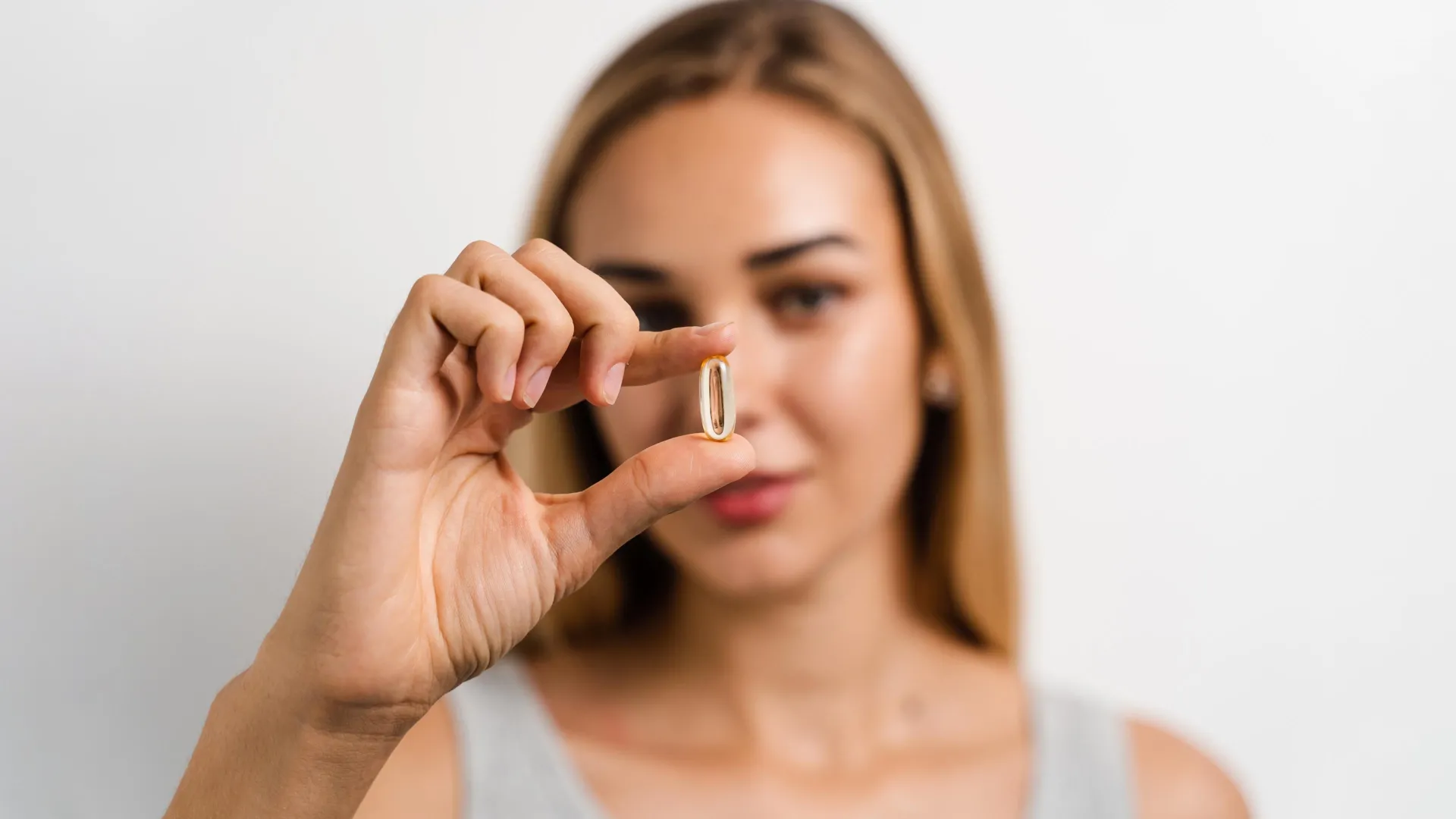
The ubiquitous presence of oral collagen supplements across beauty aisles and digital storefronts reflects a widespread desire for solutions to visible signs of aging. Promising firmer skin, fewer wrinkles, and improved elasticity, these products have captured significant consumer attention. However, a growing chorus of dermatological experts is urging caution, emphasizing that the scientific evidence supporting these claims for skin rejuvenation is far less conclusive than marketing campaigns suggest. Dr. Farah Moustafa, an assistant professor at Tufts University School of Medicine and a practicing dermatologist at Tufts Medical Center, articulates a critical stance, stating that ingesting collagen is not currently considered a proven method for combating the aging process of the skin. While they might be considered as an adjunct, more thoroughly researched and effective interventions remain the primary recommendations.
Collagen, a fundamental structural protein, plays an indispensable role throughout the human body, serving as the primary component of connective tissues. This intricate protein matrix provides strength, flexibility, and support to a diverse array of bodily structures, including the dermis of the skin, the integrity of muscles, the framework of bones, and the elasticity of tendons and ligaments. Its presence is paramount for maintaining the youthful appearance and functional resilience of skin. As individuals progress through life, the body’s intrinsic capacity for collagen synthesis naturally diminishes. This age-related decline in both the quantity and quality of collagen fibers contributes significantly to the well-recognized hallmarks of aging: the emergence of fine lines and wrinkles, a noticeable loss of skin firmness leading to sagging, and the onset of joint discomfort due to reduced cartilage resilience. This physiological shift forms the foundational premise upon which the market for exogenous collagen supplementation has flourished.
Despite the intuitive appeal of replenishing diminishing collagen stores by consuming it, the biological reality of protein digestion presents a significant hurdle. When collagen, regardless of its source or form (e.g., hydrolyzed collagen peptides), is ingested, it undergoes the standard digestive process within the gastrointestinal tract. This involves its enzymatic breakdown into smaller peptide fragments and ultimately into individual amino acids. These constituent building blocks are then absorbed into the bloodstream, much like any other dietary protein. Crucially, there is no biological mechanism that directs these absorbed amino acids specifically to the skin to reform into new collagen, nor does the body perceive them as "ready-made" collagen to be directly incorporated into dermal structures. Instead, these amino acids become part of the body’s general pool of amino acids, available for use in synthesizing any protein the body requires, based on physiological demand and genetic programming. The assumption that consuming collagen directly supplies collagen to specific tissues that "need it" overlooks the complex and highly regulated process of protein synthesis and cellular signaling.
The scientific literature surrounding the efficacy of oral collagen supplementation for skin health presents a complex and often contradictory picture. While some investigations have reported potential benefits such as enhanced skin hydration and improved elasticity, particularly with hydrolyzed collagen formulations, a significant portion of the research yields inconclusive or negative findings. A critical lens must be applied to these studies, as highlighted by Dr. Moustafa and the broader dermatological community. A comprehensive meta-analysis encompassing twenty-three randomized controlled trials revealed a concerning pattern: studies that reported positive outcomes for collagen supplementation were disproportionately characterized by lower methodological quality and a higher likelihood of receiving financial backing from pharmaceutical or supplement companies. Conversely, studies employing rigorous methodology and conducted with independent funding sources typically failed to demonstrate any significant dermatological advantages from collagen intake. This disparity underscores the importance of evaluating research not just on its conclusions, but also on its design, execution, and potential conflicts of interest, casting doubt on the robustness of many positive claims.
Beyond questions of effectiveness, the landscape of dietary supplements, including oral collagen, is fraught with regulatory complexities and potential safety concerns. Unlike pharmaceutical drugs, which undergo rigorous pre-market testing for safety, efficacy, and manufacturing quality by regulatory bodies like the Food and Drug Administration (FDA) in the United States, dietary supplements are not subjected to the same stringent oversight. This regulatory disparity means that supplements can enter the marketplace without prior validation of their claims or assurance of their purity and potency. Dr. Moustafa points out a specific concern regarding collagen derived from marine sources, noting a potential risk of contamination with methylmercury, a neurotoxin. More broadly, the American Academy of Dermatology has voiced concerns about the general lack of transparency in the supplement industry, highlighting that many oral collagen products available to consumers lack independent third-party verification. This verification process, typically conducted by non-profit organizations, ensures that a product contains the ingredients listed on its label in the specified amounts, and is free from harmful contaminants. Without such oversight, consumers are left to navigate a market where ingredient information can be unclear, dosages inconsistent, and the presence of undeclared substances or heavy metals a real possibility.
Given the scientific ambiguities and regulatory shortcomings associated with oral collagen supplements, dermatological experts strongly advocate for evidence-based strategies to naturally bolster the body’s collagen production and safeguard existing stores. A cornerstone of this approach is a well-rounded and nutrient-dense dietary pattern. Adequate protein intake is crucial, as proteins are the source of the amino acids (such as glycine, proline, and lysine) essential for collagen synthesis. Equally vital are foods rich in Vitamin C, which acts as a critical co-factor in the hydroxylation of proline and lysine, a biochemical step indispensable for forming stable collagen helices. Dr. Moustafa specifically recommends incorporating vitamin C-rich foods such as strawberries, kiwis, vibrant red bell peppers, and various citrus fruits into one’s daily diet.
Beyond nutrition, several lifestyle habits and topical treatments have demonstrably positive effects on collagen health. Protecting the skin from the damaging effects of ultraviolet (UV) radiation through consistent sunscreen use is paramount. UV exposure is a leading cause of collagen degradation, activating enzymes known as matrix metalloproteinases (MMPs) that break down collagen and elastin fibers. Regular application of topical retinoids, or their over-the-counter counterparts, retinols, is another dermatologist-approved strategy. These vitamin A derivatives are proven to stimulate collagen production by fibroblasts in the dermis and also help to prevent its breakdown, leading to improvements in skin texture and the appearance of fine lines. Furthermore, abstaining from tobacco products is critical, as smoking significantly impairs collagen synthesis, increases collagen degradation through oxidative stress, and compromises blood flow to the skin, all of which accelerate skin aging. Embracing a holistic approach encompassing these dietary and lifestyle interventions, rather than relying on unproven oral supplements, offers a more robust and scientifically supported path to maintaining dermal vitality and combating the natural processes of aging.
About the Author