For many individuals navigating the complexities of aging, particularly those beyond 55, the appearance of a lower abdominal protrusion, often colloquially termed an "apron belly," becomes a common concern. This phenomenon, characterized by an excess of skin and subcutaneous fat that hangs over the pubic area, is not merely an aesthetic issue but frequently signals underlying imbalances in core strength, posture, and functional movement patterns. While numerous fitness regimens and equipment promise rapid transformations, a growing body of evidence suggests that traditional gym machines, designed primarily for isolated muscle strengthening, often fall short in addressing the multifactorial nature of this abdominal presentation in older adults. Instead, a focus on functional, standing exercises that integrate core stability with whole-body movement offers a more comprehensive and effective pathway to enhancing abdominal definition and improving overall physical well-being.
The physiological landscape of the human body undergoes significant shifts with advancing age. Hormonal fluctuations, particularly reductions in estrogen for women and testosterone for men, can lead to a redistribution of fat, often favoring the abdominal region. Concurrently, sarcopenia, the age-related loss of muscle mass and strength, affects not only appendicular muscles but also the deep core stabilizers. Compounding these changes are decades of habitual postures, sedentary lifestyles, and gravitational forces, which can collectively contribute to a weakening of the abdominal wall and an anterior tilt of the pelvis, causing the lower abdomen to protrude forward. Addressing this complex interplay requires an approach that goes beyond superficial muscle engagement.
Traditional gym equipment, such as abdominal crunch machines or seated leg press devices, typically isolates specific muscle groups, providing support that often negates the need for the body’s intrinsic stabilizers. When the torso is braced by a backrest or the movement path is fixed, the deep core musculature—including the transverse abdominis, multifidus, diaphragm, and pelvic floor—is not challenged to the same extent as it would be during unassisted, dynamic movements. This lack of real-time postural demand means that while an individual might develop strong superficial abdominal muscles, the essential coordination and endurance required to hold the lower abdomen inward against gravity throughout daily activities remain underdeveloped. Consequently, despite consistent machine-based workouts, the lower belly may continue to hang forward, largely unresponsive to such targeted, yet isolated, efforts.
In stark contrast, functional standing exercises demand that the body work as an integrated unit. They compel the core to actively manage posture, balance, and movement against gravity, mirroring the challenges encountered in everyday life. This holistic engagement retrains the deep abdominal wall, hips, and postural muscles to coordinate effectively, fostering a natural inward tension of the lower abdomen. By emphasizing movements that involve standing, walking, reaching, and bending, these exercises enhance proprioception (the body’s sense of its position in space), improve neuromuscular control, and build a resilient core that supports the spine and internal organs more efficiently. The benefits extend far beyond aesthetics, contributing to improved balance, reduced risk of falls, alleviation of lower back pain, and greater independence in daily living.
A certified trainer often advocates for a selection of five key standing movements that specifically target the restoration of optimal alignment, breathing control, and hip-core synchronization, all crucial elements in diminishing the appearance of an apron belly. These exercises are widely recognized in mobility protocols, physical therapy programs, and senior fitness routines, making them accessible and safe for individuals to learn and incorporate.
The first foundational exercise is the Standing Abdominal Brace with Slow Exhale. A common contributing factor to abdominal protrusion is a dysfunctional breathing pattern where the abdomen habitually pushes outward with each inhalation and fails to draw inward upon exhalation. This movement specifically targets the transverse abdominis, a deep, corset-like muscle that wraps around the torso, acting as the body’s natural belt. By consciously engaging this muscle to draw the navel inward during a slow, controlled exhalation, individuals can retrain their core to maintain a flatter resting position. Performing this exercise in a standing posture is paramount, as it ensures that the core is actively managing the demands of upright stability, directly translating to improved postural control throughout the day. The extended duration of the slow exhale intensifies the "time under tension" for the transverse abdominis, enhancing its endurance without placing undue strain on the body. Consistent practice of this subtle yet powerful movement encourages the abdominal wall to remain engaged and drawn in, even outside of dedicated exercise sessions.
Secondly, the Standing Pelvic Tilt Hold addresses a prevalent postural deviation: the anterior pelvic tilt. This condition, characterized by the pelvis tilting forward and downward, often exaggerates the curvature of the lower back (lordosis) and pushes the lower abdomen forward, contributing significantly to the appearance of an apron belly. This exercise aims to restore a neutral pelvic alignment by simultaneously engaging the lower abdominal muscles and the glutes. By holding the pelvis in a slightly tucked position while standing, individuals challenge the endurance of these critical muscle groups, rather than focusing on short-term strength bursts. This movement is a cornerstone in many posture correction and physical therapy regimens because it effectively re-educates the body on proper pelvic positioning without requiring spinal flexion or placing excessive stress on the hip joints. Over time, cultivating a neutral pelvis can significantly reduce the forward protrusion of the lower abdomen and alleviate associated lower back discomfort.
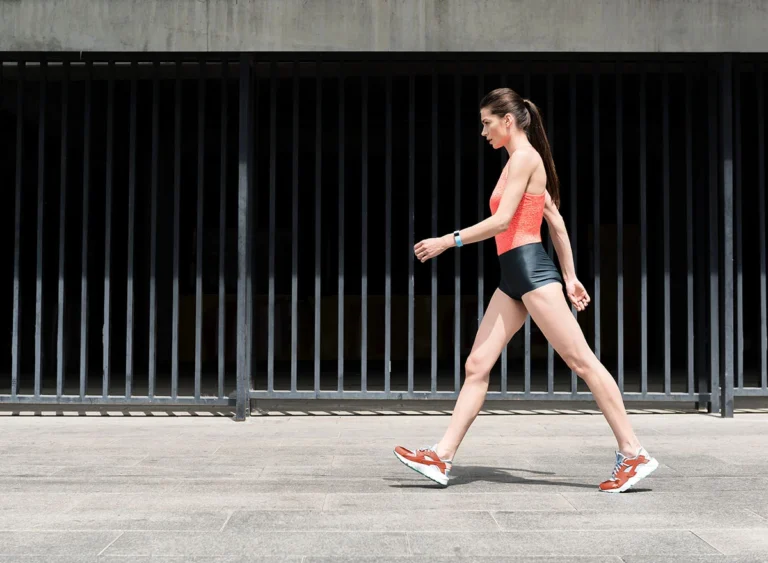
The third essential movement, the Standing March with Core Control, serves as an excellent diagnostic and corrective tool for dynamic core stability. Weak abdominal control becomes immediately apparent during marching, as the lower belly tends to shift forward and outward as a leg is lifted. By executing slow, deliberate marches, individuals eliminate momentum and force the deep core muscles to continuously stabilize the trunk against the unilateral load of a lifting leg. This exercise directly mimics the mechanics of walking, making it exceptionally effective for developing the kind of core strength that translates into a flatter belly during everyday ambulation. Its inclusion in balance and senior fitness programs underscores its importance not only for abdominal aesthetics but also for enhancing overall stability and preventing falls, which become increasingly critical concerns with age.
Fourth, the Hip Hinge with Reach targets a fundamental movement pattern often compromised in older adults, leading to compensatory abdominal protrusion. When the hips fail to hinge properly—meaning the movement originates from the hips rather than the lower back—the abdomen frequently compensates by pushing forward, especially during bending or lifting tasks. This exercise meticulously retrains the proper hip articulation while simultaneously demanding that the core maintain inward tension. The addition of a "reach" component further elevates the abdominal challenge without necessitating external weights, thereby increasing the demand on core stabilizers and improving proprioceptive awareness. This movement is a staple in mobility and strength training programs for adults over 50, emphasizing the integration of the posterior chain (glutes, hamstrings) with a strong, stable core to protect the spine and enhance functional lifting mechanics.
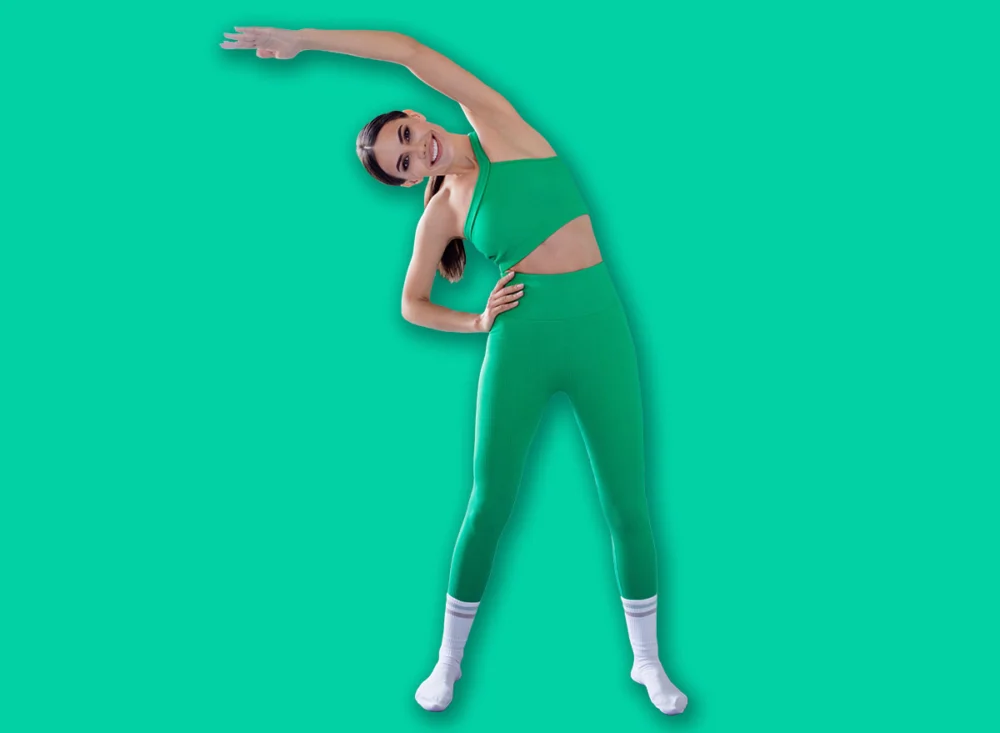
Finally, the Standing Side Reach with Oblique Engagement addresses the often-overlooked role of the oblique muscles in creating a well-defined and supported midsection. An apron belly may not diminish evenly if the obliques, which form the side walls of the abdomen, remain underdeveloped or inactive. This standing exercise specifically engages both the internal and external oblique muscles while maintaining an upright posture, thereby training them to support the torso against gravitational forces. Unlike traditional machine crunches that primarily work the obliques in a supported, often rotational plane, this movement focuses on lateral flexion and anti-lateral flexion, crucial for resisting side-to-side sway and contributing to a more cinched waistline. The slow tempo of the movement minimizes reliance on momentum, maximizing the "time under tension" for the obliques and enhancing their endurance and definition. This exercise is frequently integrated into posture, mobility, and senior fitness routines due to its effectiveness in improving lateral stability and contributing to a more sculpted abdominal profile.
Ultimately, achieving a flatter, more toned abdomen, particularly for individuals over 55, requires a comprehensive approach that prioritizes functional movement and core integration over isolated machine-based exercises. These five standing movements, when performed consistently and with proper form, offer a potent strategy for restoring optimal posture, enhancing deep core strength, and fostering a more aligned and stable body. However, it is crucial to remember that these exercises are most effective when integrated into a broader wellness strategy that includes balanced nutrition, adequate hydration, sufficient sleep, and stress management. Consulting with a healthcare professional or a certified fitness trainer before embarking on any new exercise program is always advisable to ensure safety and tailor the regimen to individual needs and capabilities. By embracing these functional principles, older adults can not only address the appearance of an apron belly but also reclaim greater functional capacity, improve their quality of life, and cultivate a stronger, more resilient core for years to come.
About the Author