The accumulation of adipose tissue in the lower back region represents a prevalent aesthetic and health concern, particularly as individuals progress beyond the age of 55. This phenomenon, often referred to colloquially as "back fat," is not merely a superficial issue but can signify underlying metabolic shifts and contribute to diminished core stability. While numerous fitness strategies exist for managing body composition, the specific needs of older adults necessitate a nuanced approach that prioritizes joint safety, functional movement, and effective muscle engagement. This article explores a series of five chair-based exercises, recommended by fitness experts, which offer a more advantageous and accessible pathway to enhancing lumbar core strength and reducing regional fat compared to traditional, high-intensity methods like planks.
Understanding the physiological underpinnings of fat deposition in the lower back is crucial for effective intervention. As individuals age, several interconnected factors contribute to changes in body composition. A notable element is the natural deceleration of metabolic rate, which dictates how efficiently the body converts food into energy. When caloric intake consistently surpasses energy expenditure, the surplus energy is stored as fat. Hormonal fluctuations also play a significant role, particularly in women experiencing menopause, where shifts in estrogen levels can influence fat distribution, often favoring accumulation around the abdomen and lower back. Beyond these biological shifts, lifestyle factors such as an imbalanced diet rich in processed foods and refined sugars, chronic psychological stress, insufficient sleep, and genetic predispositions can further exacerbate the problem. These elements collectively contribute to an environment where the body is more prone to storing fat in areas like the lumbar region.
For many older adults, conventional core exercises, such as the plank, present inherent challenges. While planks are undeniably effective for developing isometric core strength, their execution demands a significant degree of shoulder stability, wrist strength, and tolerance for spinal compression. These requirements can be problematic for individuals over 55 who may experience age-related joint degradation, decreased upper body strength, or pre-existing spinal conditions. Attempting to maintain proper plank form under such circumstances can lead to compensatory movements, placing undue stress on vulnerable joints and potentially aggravating existing discomfort rather than effectively targeting the intended core musculature. Furthermore, the static nature of a plank can sometimes hinder optimal activation of the deep abdominal muscles, such as the transverse abdominis and obliques, if the practitioner struggles with maintaining proper engagement throughout the entire body. Breathing patterns can also become strained during prolonged isometric holds, detracting from the exercise’s overall efficacy and comfort.

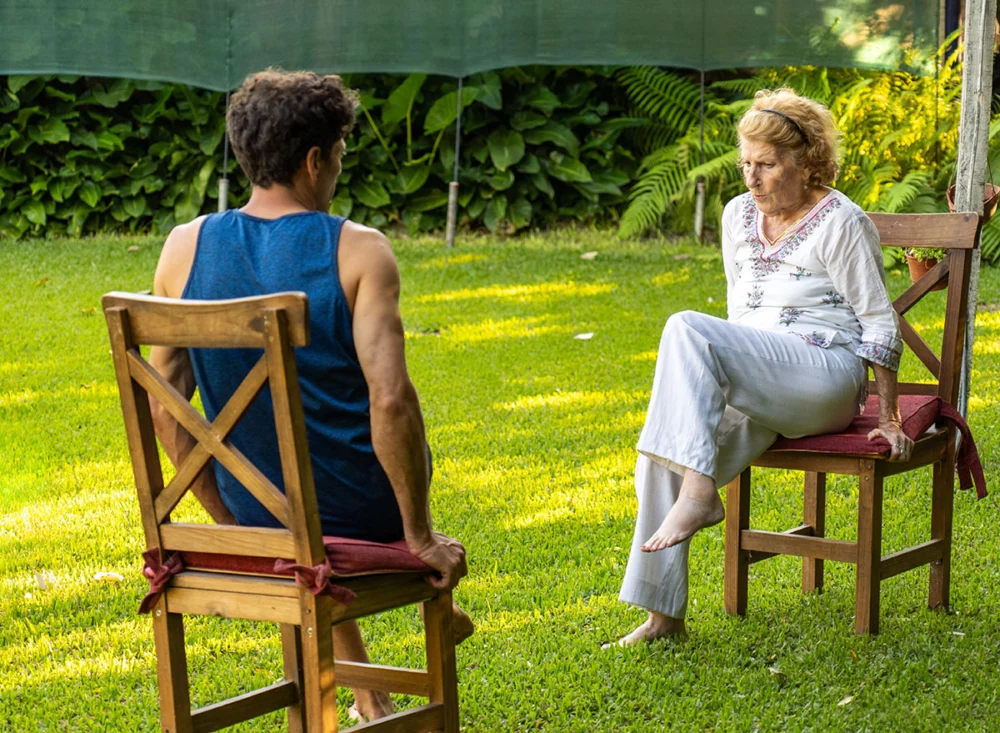
In contrast, chair-based exercises offer a compelling alternative that addresses these limitations while still promoting robust core development. Karen Ann Canham, CEO and founder of Karen Ann Wellness, emphasizes the benefits of these seated movements for mature populations. Canham explains that the upright position afforded by chair exercises facilitates more natural respiratory function and reduces the significant demands on shoulder strength and spinal integrity that static exercises like planks often impose. This allows individuals to more effectively isolate and engage their deep core muscles—the transverse abdominis and obliques—through dynamic movements like rotation and controlled lateral bending. These movement patterns are inherently aligned with the core’s design for stabilizing the spine during everyday activities. The result is enhanced muscular recruitment, improved spinal alignment, and better localized circulation around the lumbar area, all of which contribute more effectively to body composition improvements in the lower back region than sustained isometric contractions. The reduced joint impact also makes these routines safer and more sustainable for long-term adherence.
Here are five expert-recommended chair exercises designed to target and sculpt the lower back, promoting a flatter profile and improved core strength:
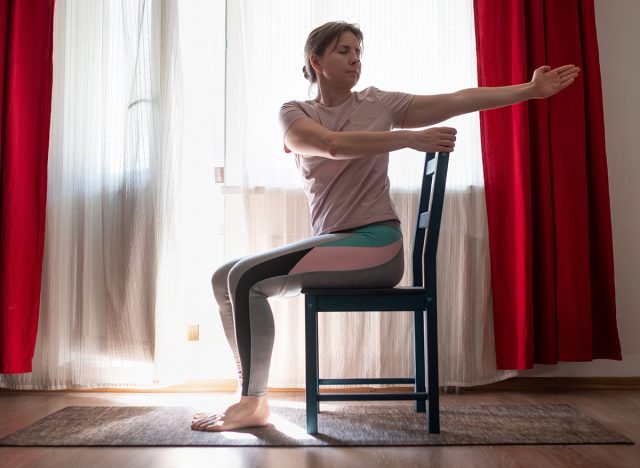
1. Seated Oblique Rotations:
This exercise focuses on developing the rotational capabilities of the torso, primarily engaging the external and internal oblique muscles, which are crucial for defining the waistline and stabilizing the spine during twisting movements.
- Execution: Begin by sitting upright on a sturdy chair, ensuring your feet are flat on the floor and hip-width apart. Maintain a tall posture, imagining a string pulling you upwards from the crown of your head. Place your hands gently behind your head or cross them over your chest. Slowly rotate your upper body to one side, leading with your rib cage and keeping your hips as stable as possible. Focus on engaging your oblique muscles to initiate and control the twist. Return to the center with control and then repeat the movement to the opposite side.
- Focus: Emphasize a smooth, controlled rotation rather than a jerky movement. Breathe consistently throughout the exercise, exhaling during the twist and inhaling as you return to the center. Aim for 10-15 repetitions per side, completing 2-3 sets.
2. Seated Lateral Flexion with Overhead Reach:
This movement targets the muscles along the sides of your torso, including the obliques and quadratus lumborum, which contribute to side-bending and spinal stability. It also offers a gentle stretch to the intercostal muscles.

- Execution: Sit tall on your chair with feet flat and shoulder-width apart. Extend one arm straight overhead, keeping your shoulder relaxed and away from your ear. Gently lean your upper body to the opposite side, reaching the extended arm further overhead and feeling a stretch along the side of your torso. Avoid collapsing forward or backward. Your hips should remain firmly planted on the chair. Slowly return to the starting position and repeat on the other side.
- Focus: Maintain an open chest and avoid rounding your back. The movement should come from your side body, not just your arm. Perform 10-12 repetitions on each side for 2-3 sets.
3. Seated Knee-to-Chest with Core Engagement:
This exercise primarily strengthens the lower abdominal region and hip flexors while demanding active engagement of the transverse abdominis for spinal support.
- Execution: Sit upright with your feet flat on the floor, hands gently gripping the sides of the chair for stability if needed. Engage your core by drawing your naval towards your spine, as if bracing for a gentle punch. Slowly lift one knee towards your chest, maintaining a strong, tall posture and avoiding leaning back. Hold for a moment at the top, focusing on the contraction in your lower abdomen. Gradually lower your foot back to the floor and repeat with the opposite leg.
- Focus: The key is to control the movement using your core muscles, not momentum. Keep your spine long and avoid slouching. Aim for 10-15 alternating repetitions for 2-3 sets.
4. Seated Hip Hinge with Spinal Articulation:
This dynamic exercise improves mobility in the lumbar spine and strengthens the erector spinae muscles, which support the lower back, while also engaging the core for controlled movement. It promotes a greater understanding of proper hip hinging, a fundamental movement pattern.
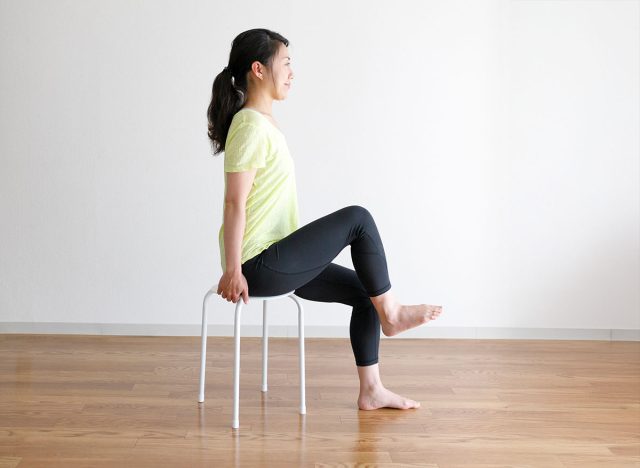
- Execution: Position yourself at the front edge of your chair, with your feet flat and hip-width apart. Place your hands on your thighs. Keeping your back naturally straight, hinge forward from your hips, allowing your chest to move towards your thighs. You should feel a stretch in your hamstrings and a gentle engagement in your lower back muscles. Avoid rounding your shoulders or lower back. Slowly return to the upright seated position, engaging your core and glutes.
- Focus: The movement should originate from your hips, not your waist. Maintain a neutral spine throughout the hinge. This exercise also subtly works the deep core muscles as they stabilize the torso during the movement. Complete 10-15 repetitions for 2-3 sets.
5. Seated Dynamic March with Overhead Arm Extension:
This full-body, coordinated movement enhances dynamic core stability, improves posture, and introduces a mild cardiovascular component. It helps integrate upper and lower body movements with core control.
- Execution: Sit tall in your chair, feet flat on the floor. Begin a controlled marching motion, lifting one knee towards your chest while simultaneously extending the opposite arm overhead. For example, as your right knee lifts, your left arm reaches up. Coordinate the movement so that as one leg lowers, the other leg begins to lift, and the corresponding arm extends. Maintain an upright posture throughout, engaging your core to prevent excessive torso sway.
- Focus: Focus on smooth, alternating movements. The core should remain actively engaged to stabilize the trunk as your limbs move. This exercise also helps improve balance and coordination. Perform 15-20 alternating repetitions on each side for 2-3 sets.
While these targeted chair exercises offer a highly effective strategy for strengthening the core and influencing body composition around the lower back, it is imperative to acknowledge that physical activity is but one pillar of holistic wellness. For comprehensive and sustainable results, these exercises should be integrated into a broader lifestyle approach that encompasses balanced nutrition, adequate hydration, effective stress management techniques, and sufficient restorative sleep. Dietary choices, in particular, play a paramount role in fat reduction, as caloric balance remains a fundamental principle. Consulting with a healthcare provider or a certified fitness professional before embarking on any new exercise regimen is always advisable, especially for individuals over 55 or those with pre-existing health conditions, to ensure the routine is appropriate and safe for their specific needs. By adopting a multi-faceted approach centered on accessible, functional movements, mature adults can effectively work towards improved core health, a more streamlined physique, and enhanced overall well-being.
About the Author