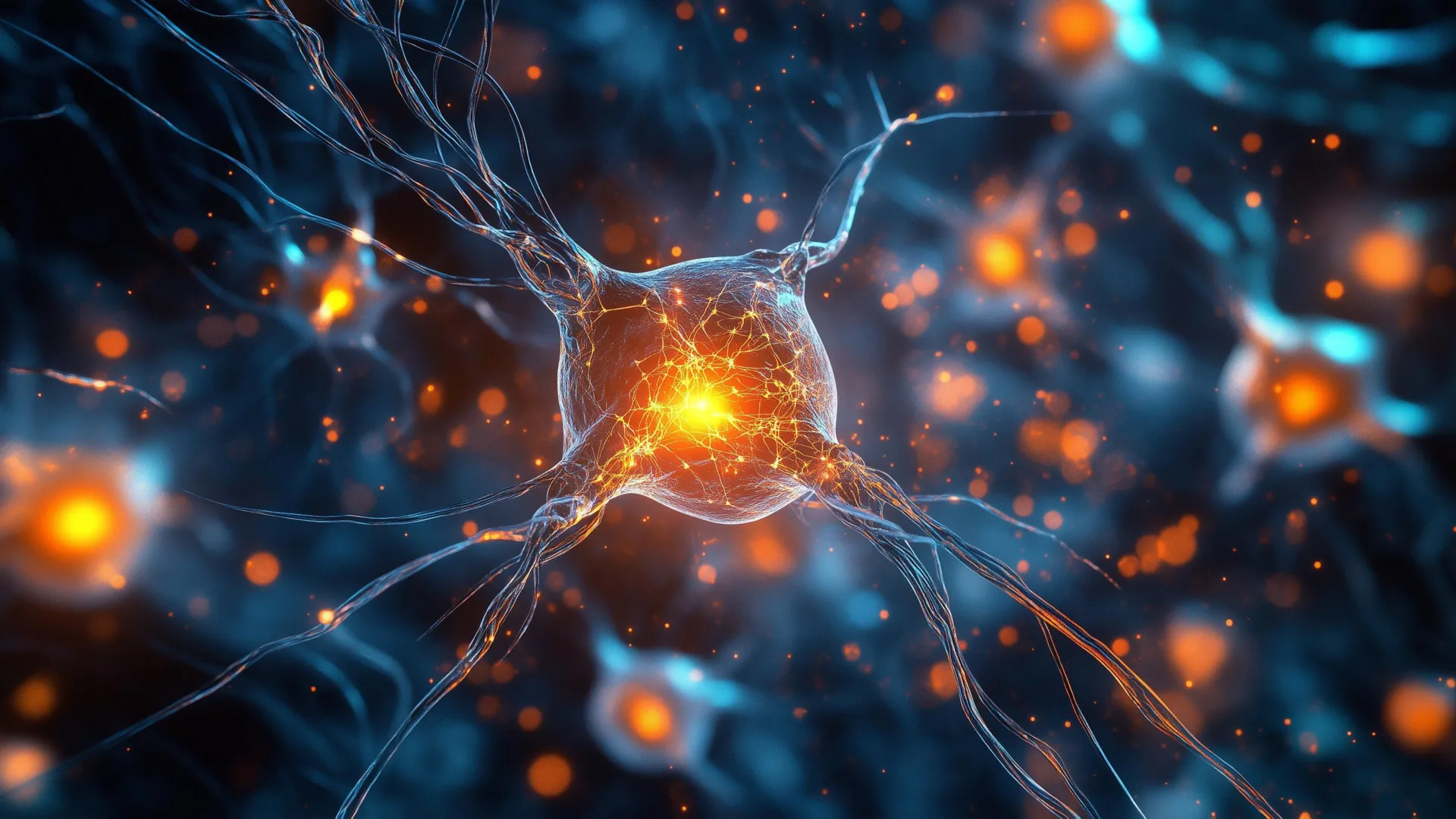
The intricate architecture of the human nervous system, responsible for thought, sensation, and movement, relies on a specialized class of cells known as neurons. Unlike many other cells in the body that possess a remarkable capacity for self-repair and regeneration, neurons have traditionally been viewed as largely incapable of replacing themselves once damaged. This inherent vulnerability makes them particularly susceptible to the ravages of conditions like stroke, traumatic brain injury, and a host of neurodegenerative disorders, where the deterioration of neurons and their critical extensions, the axons, often leads to irreversible functional decline. Axons, acting as the communication lines of the nervous system, transmit electrical impulses throughout the brain and body, and their structural integrity is paramount for healthy neurological function. Consequently, the loss or damage to these vital conduits is a primary driver of neurological impairment and progressive disability.
However, a groundbreaking investigation spearheaded by researchers at the University of Michigan is poised to reshape our understanding of neuronal resilience and the processes that govern their breakdown. Their findings, detailed in a recent publication in the journal Molecular Metabolism, offer a paradigm shift, suggesting that the inherent ability of neurons to withstand injury might be far more dynamic and controllable than previously assumed. This research not only sheds light on the mechanisms behind rare instances of neurological recovery but also illuminates potential therapeutic avenues by tapping into the brain’s intrinsic protective capabilities. The study posits that by modulating fundamental cellular energy processing, it may be possible to bolster neuron survival and mitigate the devastating consequences of neurological insult.
At the heart of this discovery lies the critical role of sugar metabolism within neurons. Employing the well-established Drosophila melanogaster (fruit fly) model, a powerful tool for genetic and cellular research due to its genetic similarity to humans and rapid life cycle, the research team elucidated a profound connection between a neuron’s ability to process glucose and its resistance to degeneration. This intricate interplay suggests that the efficiency and specific pathways by which neurons metabolize sugars are not merely incidental to their health but are fundamental determinants of their ability to endure stress and injury. When these metabolic pathways are disrupted, neurons appear to become more vulnerable, initiating a cascade of events that can lead to their demise.
The study identified two key protein players that appear to orchestrate this delicate balance between neuronal survival and degeneration: dual leucine zipper kinase (DLK) and Sterile Alpha and TIR Motif-containing 1 (SARM1). DLK, long recognized for its involvement in cellular stress responses, functions as a critical sensor for neuronal damage. Its activity escalates significantly when cellular metabolism is perturbed, acting as an early warning system. Simultaneously, SARM1, a protein that has been previously implicated in the direct execution of axon degeneration, exhibits a close and responsive relationship with DLK. The research demonstrated that the activation state of SARM1 is intricately linked to the signaling initiated by DLK, suggesting a coordinated effort to either protect or dismantle the neuron.
A particularly surprising revelation from the study was the context-dependent nature of the neuroprotective response. The researchers observed that the internal state of the neuron, particularly its metabolic status, profoundly influences how these proteins interact and what outcome they drive. When a neuron is metabolically healthy and undamaged, DLK activity appears to be modulated in a way that supports axonal integrity, while SARM1’s degenerative functions are kept in check. This delicate equilibrium acts as a short-term protective shield, allowing the neuron to weather minor stressors.
However, this protective state is not immutable. The research unveiled a critical tipping point: prolonged and unchecked activation of DLK, especially in the context of compromised metabolism, can paradoxically transform its protective role into one that actively promotes neurodegeneration. Instead of safeguarding the neuron, sustained DLK signaling appears to trigger a more aggressive breakdown process, accelerating damage and hastening neuronal demise. This dual nature of DLK presents a significant challenge for therapeutic intervention. While inhibiting DLK might seem a logical approach to prevent degeneration, a blanket inhibition could inadvertently suppress the very pathways that offer natural protection against injury. The nuanced understanding of when DLK acts constructively versus destructively is therefore crucial for developing targeted and effective treatments.
The implications of these findings extend beyond understanding the basic biology of neuronal survival. They offer a fresh perspective on neurodegenerative diseases and brain injuries, moving beyond a singular focus on merely blocking damage. Instead, the research suggests a strategy of reinforcing and augmenting the neuron’s own built-in defense mechanisms. By understanding how metabolic signals influence the activation and deactivation of key proteins like DLK and SARM1, scientists may be able to develop interventions that selectively enhance the protective functions of these pathways, thereby promoting neuronal recovery and long-term health.
The research was made possible through the generous support of several leading scientific institutions, including the National Institutes of Health, the U.S. National Science Foundation, the Rita Allen Foundation, and the Klingenstein Fellowship in the Neurosciences, underscoring the collaborative and multi-faceted nature of such significant scientific endeavors. The senior author, Monica Dus, an associate professor at the University of Michigan, emphasized that while metabolic changes are frequently observed in conditions like Alzheimer’s disease, the causal relationship has remained elusive. This study provides critical evidence that metabolic dysregulation can directly contribute to neural breakdown. Conversely, by strategically manipulating sugar metabolism, it appears possible to pre-emptively activate protective programs, even in neurons that have already sustained injury, thereby prolonging axonal survival.
The lead author, TJ Waller, a postdoctoral research fellow, further elaborated on the intricate dance between DLK and SARM1. His work highlights that SARM1’s potent degenerative capabilities are not an independent force but are intimately coupled to the signaling cascade initiated by DLK. This dependency suggests that modulating DLK’s response, rather than directly targeting SARM1, might offer a more refined approach to neuroprotection. The challenge, as Waller articulated, lies in distinguishing and targeting the detrimental aspects of DLK’s function without compromising its beneficial roles in natural repair and defense. This requires a sophisticated understanding of the molecular switches that govern DLK’s activity.
In conclusion, this research represents a significant leap forward in our comprehension of neuronal health and disease. By uncovering the intricate connection between cellular energy metabolism and the proteins that govern neuronal fate, the University of Michigan team has opened new avenues for therapeutic development. The ability to manipulate these cellular pathways to enhance neuroprotection offers a beacon of hope for individuals suffering from debilitating neurological conditions, suggesting a future where treatments might work in concert with the brain’s own remarkable capacity for resilience and repair. The ongoing challenge lies in translating these fundamental discoveries from model organisms to human therapies, a complex but potentially transformative endeavor.
About the Author