A groundbreaking discovery by researchers at Johns Hopkins Medicine has illuminated a previously underestimated protein complex within the brain, revealing it to be a far more dynamic regulator of neural activity than initially presumed, thus presenting a significant new avenue for therapeutic intervention in a spectrum of neurological and psychiatric conditions. This advancement, supported by crucial funding from the National Institutes of Health, holds the potential to unlock novel treatment strategies for disorders such as anxiety, schizophrenia, and movement impairments characterized by compromised balance and coordination.
At the heart of this revelation are the delta-type ionotropic glutamate receptors, commonly referred to as GluDs, a class of proteins integral to the intricate communication network of neurons. These receptors are fundamental to synaptic transmission, the process by which nerve cells exchange electrochemical signals. For decades, scientific consensus largely held that GluDs existed in a state of relative inactivity, a kind of passive observer in the brain’s complex operations. However, the latest findings challenge this long-held assumption, proposing instead that these proteins are not merely static entities but actively participate in modulating neuronal function. This reclassification from a seemingly dormant component to a potent operational switch is what makes the discovery so transformative.
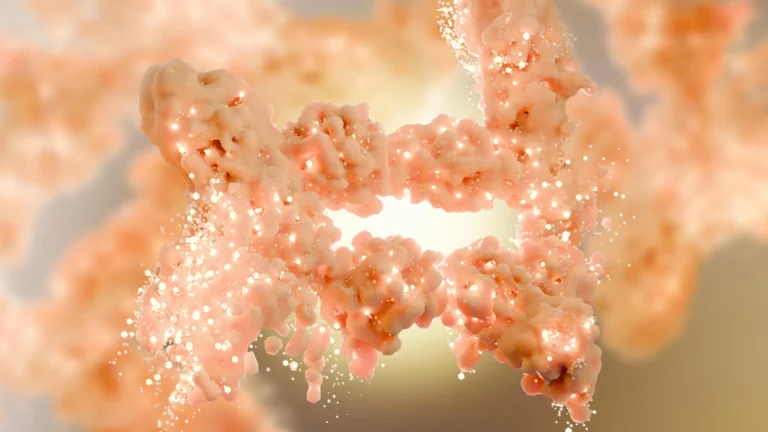
The research, meticulously detailed in a recent publication in the esteemed journal Nature, employed sophisticated cryo-electron microscopy (cryo-EM) to provide an unprecedentedly detailed view of GluD protein structures. This advanced imaging technology enabled scientists to visualize the proteins at an atomic level, uncovering a crucial structural feature: an ion channel situated at the core of the receptor. This central channel is instrumental in the passage of charged particles, a process essential for the receptors’ interaction with neurotransmitters. Neurotransmitters, in essence, are the chemical messengers that carry electrical signals between brain cells, facilitating the complex dialogue that underlies all cognitive and motor functions.
Dr. Edward Twomey, an associate professor of biophysics and biophysical chemistry at the Johns Hopkins University School of Medicine and a lead author on the study, articulated the profound shift in understanding. "This class of protein has long been thought to be sitting dormant in the brain," Dr. Twomey stated, emphasizing the paradigm shift. "Our findings indicate they are very much active and offer a potential channel to develop new therapies." This active role is not just about passive reception of signals but about actively influencing the strength and nature of synaptic connections, the very bedrock of learning, memory, and thought. The precise mechanism by which this ion channel operates and how it responds to extracellular cues is now a focal point of intense investigation.
The implications of this newfound understanding extend significantly to the realm of movement disorders, particularly cerebellar ataxia. This debilitating condition, which can arise from various causes including stroke, traumatic brain injury, tumors, and progressive neurodegenerative diseases, is characterized by a profound lack of motor control, affecting balance, gait, and coordination. In individuals afflicted with cerebellar ataxia, the GluD receptors appear to exhibit a state of hyper-activity, firing signals even in the absence of normal neural stimulation. Dr. Twomey suggested that therapeutic strategies for such cases could involve the development of pharmacological agents designed to dampen this aberrant overactivity, effectively restoring a more balanced signaling environment within the cerebellum.
Conversely, in the context of schizophrenia, a complex mental disorder affecting thought processes, emotions, and behavior, the GluD receptors seem to function in an opposite manner. Evidence suggests that in individuals with schizophrenia, these receptors are less active than their healthy counterparts. This deficiency in activity implies that future therapeutic interventions might focus on boosting the functionality of GluDs, thereby aiming to correct the neurochemical imbalance believed to contribute to the symptoms of this condition. The differential involvement of GluDs in these distinct neurological and psychiatric disorders underscores the complexity of brain function and the potential for targeted therapies.
Beyond these immediate therapeutic targets, the research also sheds light on the potential role of GluDs in the aging process and the associated decline in cognitive functions, such as memory. Given their direct involvement in regulating synapses, the fundamental units of neural communication and plasticity, drugs designed to modulate GluD activity could play a crucial role in preserving synaptic integrity and function over time. The health and efficiency of synapses are paramount for effective learning, the consolidation of memories, and the very formation of coherent thoughts. Therefore, interventions aimed at maintaining optimal GluD function might offer a novel approach to mitigating age-related cognitive impairment and potentially even treating memory loss disorders.
The scientific community is now keenly focused on the next phases of this research, with Dr. Twomey and his team actively pursuing collaborations with pharmaceutical entities to translate these findings into tangible therapeutic products. A significant area of ongoing investigation involves the detailed study of specific GluD mutations that have been genetically linked to schizophrenia, anxiety disorders, and other psychiatric conditions. By dissecting the precise impact of these mutations, researchers aim to gain a deeper understanding of the underlying pathophysiology of these disorders and to pave the way for the design of highly specific and effective treatments. This intricate molecular-level analysis is critical for ensuring that future drugs are both potent and precise in their action.
The collaborative spirit of scientific inquiry is evident in the acknowledgment of other Johns Hopkins scientists who made substantial contributions to this pivotal study, including Haobo Wang, Fairine Ahmed, Jeffrey Khau, and Anish Kumar Mondal. Their collective efforts were instrumental in achieving the breakthroughs reported. Furthermore, the intellectual property arising from these advancements is being protected, with The Johns Hopkins University having filed a patent covering the novel techniques developed for measuring electrical currents emanating from GluDs. This patent underscores the originality and significance of the methodologies employed in this research.
The financial bedrock for this pioneering work was provided by a consortium of esteemed institutions, notably the National Institutes of Health (through grant R35GM154904), the Searle Scholars Program, and the Diana Helis Henry Medical Research Foundation. This multi-faceted financial support highlights the recognized importance and potential impact of this line of inquiry within the broader scientific and medical communities. The sustained investment in fundamental neuroscience research continues to yield discoveries that promise to redefine our understanding of brain health and disease, offering renewed hope for millions affected by neurological and psychiatric conditions.
About the Author