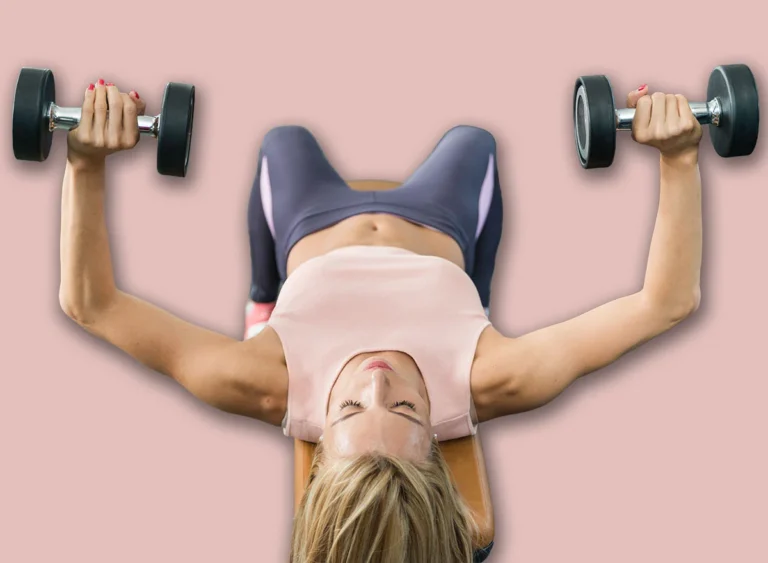
As individuals navigate the landscape of aging, maintaining physical strength, particularly in the upper body, becomes a cornerstone for preserving independence, enhancing quality of life, and mitigating the effects of age-related muscle decline. The natural process of sarcopenia, characterized by the progressive loss of muscle mass and strength, typically accelerates after the age of 50, presenting significant challenges to performing everyday tasks. Simple actions such as reaching for items on a high shelf, carrying groceries, or even propelling a shopping cart can become increasingly arduous without adequate upper body fortitude. While conventional wisdom often points to rigorous weight training as the primary solution for building and sustaining muscle, emerging insights suggest that a remarkably concise and consistent daily routine, focused on functional movements, can yield superior outcomes for older adults, even surpassing the benefits of more intensive resistance programs in certain key areas.
For many over the age of 55, the prospect of committing to lengthy gym sessions or engaging in heavy weightlifting can appear daunting, potentially leading to inconsistent adherence or even increased risk of injury. This is where the paradigm of efficient, bodyweight-centric exercises, performed regularly, offers a compelling alternative. A specialized six-minute daily regimen has garnered attention for its capacity to restore and build upper body strength effectively from the convenience of one’s home. The efficacy of this approach lies not in the intensity of individual sessions but in the power of habitual, low-impact engagement, which fosters sustained physiological adaptation and behavioral consistency.
The underlying rationale for the superior effectiveness of a brief daily routine over less frequent, heavier weight training for older populations centers on several critical factors. Firstly, the reduced time commitment significantly lowers the barrier to entry and improves long-term compliance. For older adults who may experience fluctuating energy levels, mobility limitations, or simply have packed schedules, a six-minute daily workout is inherently more manageable and less likely to induce fatigue or feelings of overwhelm. This consistent engagement, even at a lower intensity, sends regular signals to the muscles to adapt and strengthen, promoting continuous improvement rather than sporadic peaks and troughs.
Secondly, minimizing the use of heavy external weights inherently reduces the risk of musculoskeletal injury, a paramount concern for older individuals whose bones and joints may be more susceptible to stress. Bodyweight exercises, or those utilizing very light resistance, allow for a greater focus on proper form and controlled movements, thereby protecting delicate joint structures and preventing strains or sprains. This cautious yet effective approach is vital for ensuring that physical activity remains a source of health and empowerment, not a pathway to discomfort or setbacks. As fitness professionals often emphasize, convenience and safety are pivotal in fostering sustainable exercise habits, particularly within an aging demographic.
The proposed daily routine targets key muscle groups responsible for upper body function, integrating movements that mirror common activities of daily living. This functional emphasis ensures that the strength gained translates directly into improved practical capabilities. The exercises include:
1. Wall Pushups (2 Minutes)
The wall pushup is an excellent introductory exercise for building foundational upper body strength, particularly for the chest, shoulders, and triceps, while minimizing stress on the wrists and elbows. It serves as a scalable alternative to traditional floor pushups, making it accessible to individuals with varying fitness levels and mobility.
- Execution: Stand facing a wall, about arm’s length away. Place your hands flat on the wall, slightly wider than shoulder-width apart and at chest height. Keeping your body in a straight line from head to heels, bend your elbows and lean towards the wall, allowing your chest to approach the surface. Push back to the starting position by straightening your arms, engaging your chest and triceps. Maintain a controlled pace throughout the movement.
- Benefits: Strengthens the pectorals, deltoids, and triceps without putting excessive strain on the joints. Improves postural control and core stability. It’s highly modifiable; moving your feet further from the wall increases the intensity, while stepping closer reduces it.
- Focus: Emphasize a full range of motion, controlled descent, and powerful push. Avoid shrugging the shoulders or letting the hips sag.
2. Seated Shoulder Press (2 Minutes)
The seated shoulder press effectively targets the deltoid muscles (shoulders) and triceps, crucial for overhead reaching and lifting. Performing this exercise while seated provides greater stability and reduces the involvement of the lower back, making it safer for older adults. While the original article implies minimal equipment, light dumbbells or even household items like water bottles or canned goods can be effectively used here to provide resistance.
- Execution: Sit upright in a sturdy chair with your back supported. Hold a light dumbbell in each hand, resting them at shoulder height with palms facing forward or inward. Engage your core and press the weights directly overhead until your arms are fully extended but not locked. Slowly lower the weights back to the starting position with control.
- Benefits: Develops strength in all three heads of the deltoids, improving shoulder stability and range of motion. Essential for tasks requiring overhead movement, such as putting dishes away or reaching for items.
- Focus: Maintain a straight back against the chair. Avoid using momentum or arching the lower back. Control both the upward and downward phases of the movement. For those without weights, mimic the motion with closed fists, focusing on muscle contraction, or use resistance bands looped under the chair.
3. Bicep Curls (2 Minutes)
Bicep curls are fundamental for strengthening the biceps brachii, the primary muscle responsible for arm flexion. Strong biceps are essential for pulling actions, lifting objects, and maintaining grip strength, all vital for daily activities. Similar to the shoulder press, light dumbbells or comparable household items can be utilized for resistance.
- Execution: Sit comfortably in a chair, or stand with feet shoulder-width apart, holding a light dumbbell in each hand, arms extended downwards with palms facing forward. Keeping your elbows close to your sides, slowly curl the weights upwards towards your shoulders, squeezing your biceps at the top of the movement. Lower the weights back to the starting position with control, fully extending your arms.
- Benefits: Directly targets the biceps, enhancing arm strength and improving the ability to lift, carry, and pull objects. Contributes to improved grip strength.
- Focus: Isolate the bicep movement; avoid swinging the arms or using the back to lift the weights. The movement should be slow and deliberate, especially on the eccentric (lowering) phase. If no weights are available, one can perform isometric holds or use resistance bands.
Integrating this compact routine into daily life offers a profound ripple effect beyond mere muscle gain. Consistent physical activity has been unequivocally linked to a myriad of health advantages for older adults. It plays a crucial role in maintaining bone mineral density, thereby reducing the risk of osteoporosis and fractures. Enhanced strength and balance directly correlate with a decreased likelihood of falls, a leading cause of injury and disability in seniors. Furthermore, regular exercise contributes to better cardiovascular health, improved glucose regulation, and bolstered immune function.
Beyond the purely physical, the psychological and cognitive benefits are equally compelling. Engaging in a routine, even a brief one, can foster a sense of accomplishment and self-efficacy, combating feelings of helplessness that can sometimes accompany aging. Physical activity is a known mood elevator, aiding in the management of stress, anxiety, and depression. It promotes better sleep quality and can even contribute to improved cognitive function, including memory and processing speed. The independence gained through sustained functional strength also contributes significantly to overall mental well-being and a positive outlook on life.
To maximize the benefits of this daily protocol, a few general principles should be considered. Always begin with a brief warm-up, such as arm circles or gentle stretches, to prepare the muscles and joints. Listen carefully to your body; if any movement causes pain, modify it or consult with a healthcare professional. While the routine is designed to be accessible, it is always prudent for individuals over 55, particularly those with pre-existing health conditions, to consult their physician before embarking on any new exercise program. Consistency is indeed paramount, but so is smart progression. As strength improves, one can gradually increase the duration of each exercise segment, the number of repetitions, or the resistance used (if applicable), ensuring the routine remains challenging and effective.
In conclusion, the pursuit of robust upper body strength after the age of 55 does not necessitate hours in a gym or the lifting of heavy barbells. A focused, six-minute daily regimen of functional bodyweight and light resistance exercises presents a highly effective, accessible, and safe pathway to not only restore muscle vitality but also to significantly enhance overall health, independence, and quality of life. By embracing the power of small, consistent efforts, older adults can proactively combat age-related decline, building a stronger, more resilient self for the years ahead.
About the Author