
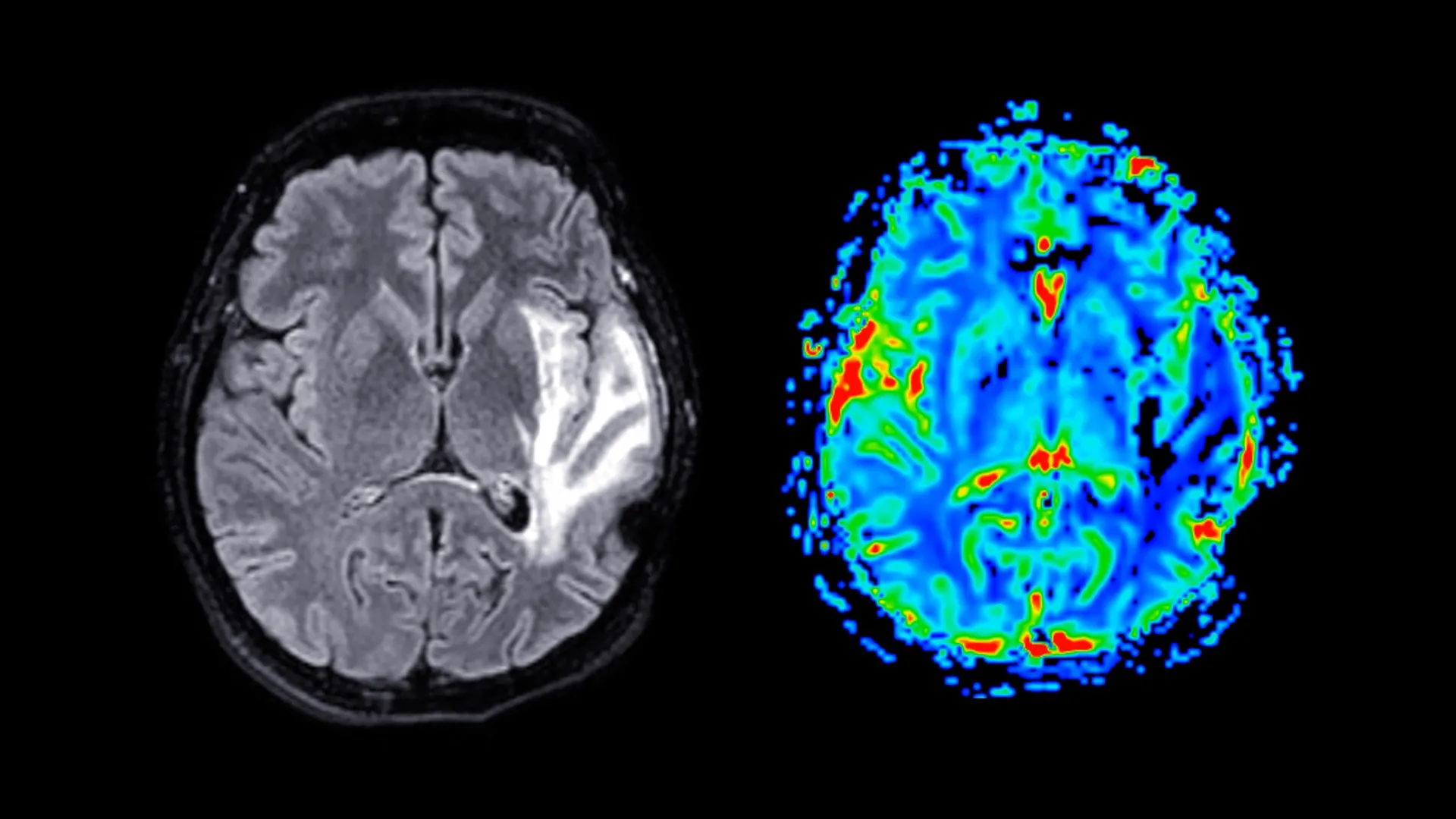
A groundbreaking investigation, recently unveiled in The Journal of Clinical Endocrinology & Metabolism, offers compelling evidence suggesting that elevated body mass index (BMI) and persistent hypertension are not merely correlated with an increased susceptibility to dementia but are, in fact, direct causal agents in its development. This research shifts the paradigm from viewing these conditions as indirect risk factors to recognizing them as primary drivers of neurodegenerative processes that culminate in dementia. The implications for public health strategies and individual preventative measures are profound, potentially unlocking novel avenues for mitigating the growing global burden of cognitive impairment.
Dementia, a complex constellation of neurological disorders, represents a significant and escalating challenge to worldwide health systems, characterized by its progressive and currently incurable nature. Individuals affected by dementia experience a profound deterioration in cognitive faculties, encompassing memory recall, abstract thinking, and logical reasoning, often to the extent that their capacity for independent daily functioning is severely compromised. This umbrella term encompasses various conditions, with Alzheimer’s disease, vascular dementia, and mixed dementia being the most prevalent. At their core, these disorders involve the gradual destruction of neural pathways within the brain, leading to a compounding decline in mental acuity over time. As the pathology advances, individuals may encounter increasing difficulties with language comprehension and expression, problem-solving, and exhibit noticeable alterations in personality and behavior.
The impetus for this extensive research stemmed from the urgent need to elucidate the precise mechanisms by which common physiological states might precipitate dementia. Prior observational studies had frequently highlighted associations between conditions like obesity and hypertension and a higher incidence of dementia. However, such correlations are inherently limited; they cannot definitively establish a cause-and-effect relationship, as other confounding factors might be responsible for both the metabolic conditions and the cognitive decline. To overcome this limitation, the research team employed a sophisticated epidemiological technique known as Mendelian randomization. This methodology leverages genetic variations that are known to influence specific traits—in this case, BMI—as proxy instruments for the trait itself.
The Mendelian randomization approach functions by mimicking the principles of a randomized controlled trial, albeit in a naturally occurring manner. During conception, individuals inherit genetic predispositions from their parents, which are randomly assorted. Certain genetic variants are predisposed to lead to higher BMI, while others have a neutral or even opposing effect. By analyzing large datasets and observing how individuals with these randomly inherited genetic variants fare in terms of dementia risk, researchers can effectively isolate the causal impact of BMI. This method allows for the examination of the long-term effects of a particular trait, such as elevated BMI, without the confounding influences that often plague traditional observational studies, like lifestyle choices, socioeconomic status, or other co-occurring health issues. The randomization inherent in genetic inheritance helps to ensure that the genetic variants associated with higher BMI are not systematically linked to other factors that might also influence dementia risk, thereby providing a cleaner measure of causality.
The findings derived from this rigorous analytical framework were unequivocal: a higher BMI is not merely an indicator of increased dementia risk but exerts a direct causal influence on its pathogenesis. This conclusion was further substantiated by the examination of blood pressure data within the study cohorts. The analysis revealed that a substantial portion of the heightened dementia risk attributed to excess body weight appears to be mediated through the development of high blood pressure, also known as hypertension. This critical insight suggests a synergistic relationship, where obesity contributes to hypertension, which in turn exacerbates the pathways leading to dementia. Consequently, interventions aimed at managing both obesity and hypertension emerge as potentially powerful strategies for the primary prevention of cognitive decline.
Dr. Ruth Frikke-Schmidt, the lead author of the study and a distinguished Professor and Chief Physician at Copenhagen University Hospital and the University of Copenhagen, articulated the significance of these findings. "In this study, we found high body mass index (BMI) and high blood pressure are direct causes of dementia," she stated, emphasizing the actionable implications. "The treatment and prevention of elevated BMI and high blood pressure represent an unexploited opportunity for dementia prevention." This perspective underscores a shift in focus from merely identifying risk factors to recognizing targetable biological pathways that can be modulated to protect brain health.
The implications for early intervention are particularly noteworthy. While weight-loss medications have been explored in individuals already exhibiting early signs of Alzheimer’s disease, these interventions have not demonstrated a capacity to halt or reverse cognitive decline once symptoms have manifested. However, the current research posits that the timing of such interventions might be paramount. The study authors suggest that initiating weight-management strategies before the onset of cognitive symptoms could offer a protective effect, especially against vascular dementia, which is closely linked to the health of blood vessels in the brain. This hypothesis warrants further investigation through prospective clinical trials designed to assess the efficacy of early pharmacological or lifestyle interventions in high-risk populations.
The research team’s comprehensive analysis integrated data from extensive participant cohorts drawn from Copenhagen, Denmark, and the United Kingdom, providing a robust foundation for their conclusions. The study was a collaborative effort involving researchers from multiple esteemed institutions, including Copenhagen University Hospital—Rigshospitalet, the University of Copenhagen, and the University of Bristol. Funding for this critical research was provided by several prominent organizations dedicated to advancing medical knowledge, including the Independent Research Fund Denmark, the Capital Region of Denmark, the Lundbeck Foundation, Hjerteforeningen, and Sygeforsikringen Danmark. The full findings of this seminal paper, titled "High Body Mass Index as a Causal Risk Factor for Vascular-related Dementia a Mendelian Randomization Study," were published online in advance of their appearance in print, signaling the scientific community’s recognition of its importance. This work has the potential to reshape clinical guidelines and public health messaging surrounding metabolic health and cognitive well-being.
About the Author












