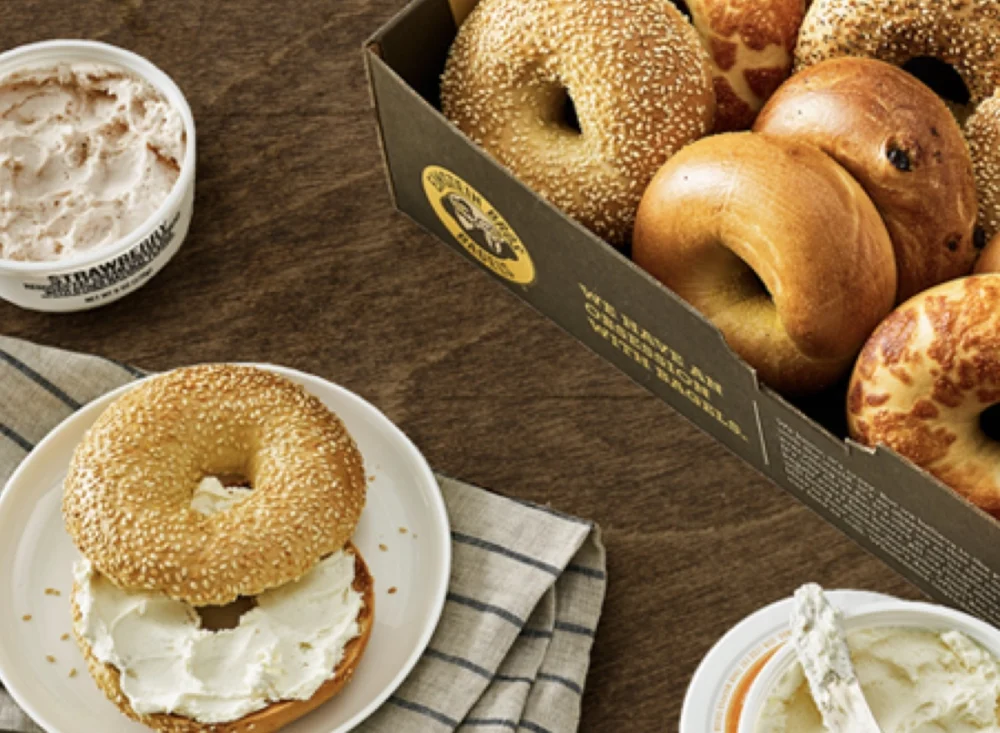
The humble bagel, a ring-shaped bread product with roots deeply embedded in Jewish culinary traditions, has transcended its origins to become a ubiquitous breakfast and snack staple across North America and beyond. Characterized by its unique preparation involving boiling before baking, a truly exceptional bagel boasts a distinct textural profile: a resilient, chewy interior juxtaposed with a glossy, subtly crackled exterior crust. Beyond these fundamental characteristics, a superior bagel offers a harmonious flavor, a well-defined central aperture, and a surface that effectively adheres to toppings, ensuring a satisfying experience even when consumed unadorned. While aficionados frequently champion independent, local bakeries as the quintessential purveyors of this beloved baked good, an emerging consensus among culinary professionals suggests that several prominent chain restaurants are increasingly delivering products that meet these rigorous standards, earning significant acclaim from both patrons and industry experts.

The journey of a bagel from raw dough to a perfectly golden, chewy delight is an intricate process, steeped in centuries of tradition. Unlike typical bread, bagels undergo a crucial boiling phase prior to baking. This brief immersion in hot water gelatinizes the starch on the exterior of the dough, contributing to the bagel’s signature glossy, firm crust and preventing it from fully rising during baking, thus ensuring its dense, chewy crumb. The subsequent baking at high temperatures then further develops the crust and cooks the interior. The interplay of these two distinct cooking methods is what gives the bagel its unique mouthfeel – a tender yet resistant chew that differentiates it from other breads. A balanced flavor profile, often slightly malty or yeasty, is also paramount, avoiding an overly bland or excessively sour taste. The classic "hole" is not merely aesthetic; it aids in even cooking and portability. Furthermore, the ability of a bagel to maintain its structural integrity and freshness, even hours after baking, speaks volumes about its quality and the baker’s skill.
For large-scale restaurant chains, consistently replicating this nuanced baking process across numerous locations presents a formidable operational challenge. Maintaining uniform dough quality, precise boiling times, and consistent oven temperatures across a vast network of establishments requires sophisticated supply chains, standardized training protocols, and often, specialized equipment. The inherent variability in ingredients, water quality, and local baking environments can significantly impact the final product. Therefore, when major chain operations manage to produce bagels that garner approval from discerning culinary experts, it signifies not just a commitment to quality but also a mastery of complex logistical and culinary execution. This achievement underscores a broader trend in the food service industry, where consumer demand for high-quality, authentic experiences is pushing even large chains to elevate their offerings beyond mere convenience.
In an effort to identify those chain establishments that have successfully risen to this challenge, culinary experts were consulted to provide their insights into the best widely available bagels. Their evaluations focused on the critical attributes of texture, flavor, and overall quality, highlighting specific offerings that stand out in a competitive market. The findings reveal a surprising diversity in approaches and styles, indicating that excellence can be achieved through various interpretations of the classic bagel.
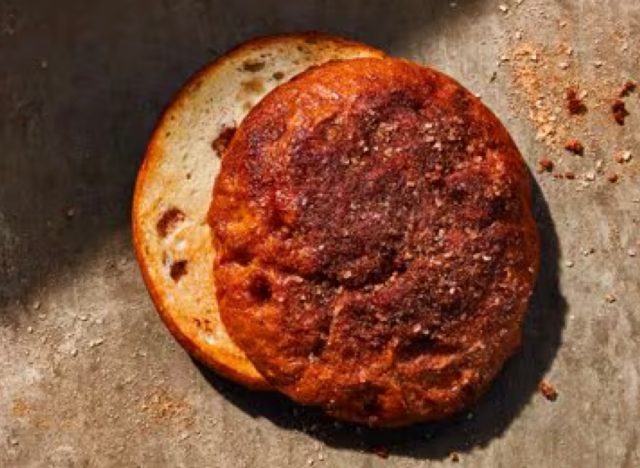
Panera Bread: Often recognized for its extensive menu of freshly baked breads, soups, and salads, Panera Bread has also cultivated a strong reputation for its breakfast selections, with its bagels frequently cited for their quality. Jessica Formicola, a renowned chef, cookbook author, television personality, and recipe creator behind Savory Experiments, singles out a particular item for high praise. She remarks on Panera’s cinnamon crunch bagel, particularly when paired with their honey walnut cream cheese, describing it as a decadent morning indulgence that borders on dessert. Formicola’s specific commendation highlights not just the bagel’s inherent quality but also Panera’s ability to innovate within the bagel category, offering unique flavor profiles that resonate with consumers seeking a sweet and satisfying start to their day. This emphasis on specialty flavors, combined with a consistently chewy texture, positions Panera as a strong contender in the chain bagel landscape, demonstrating an understanding of both traditional bagel characteristics and contemporary consumer preferences for indulgent, high-quality breakfast options.
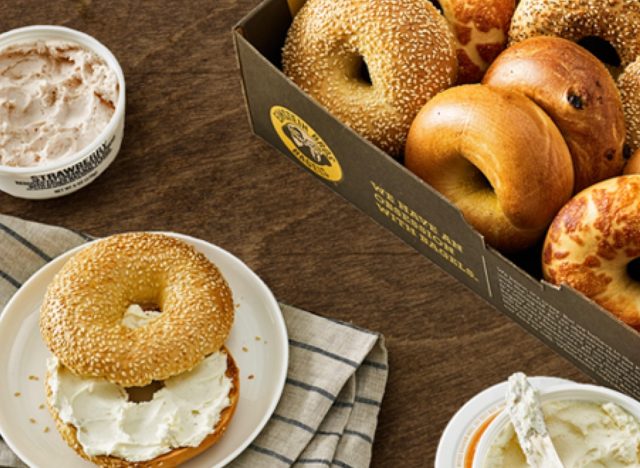
Einstein Bros. Bagels: As a chain explicitly dedicated to bagels, Einstein Bros. Bagels occupies a unique position, with a core mission centered around this specific baked good. Their expansive menu, offering a wide array of bagel types and accompanying spreads, aims to cater to diverse tastes. Therese Buchanan, a home chef, food blogger, and recipe developer at Tessie’s Table, identifies Einstein Bros. as a reliable destination for a satisfying bagel experience. She describes their bagels as possessing a desirable balance: a soft interior complemented by sufficient chewiness to provide a substantial mouthfeel. Buchanan also notes their consistent performance when toasted and their versatility, serving equally well with various cream cheeses or as the foundation for a breakfast sandwich. This assessment underscores Einstein Bros.’s proficiency in delivering a bagel that is neither excessively dense nor overly tough, ensuring ease of consumption whether enjoyed plain or prepared with toppings, thereby reinforcing its status as a leading purveyor in the category.
Dunkin’: While Dunkin’ has historically built its brand around its extensive selection of donuts and coffee, its bagel offerings have quietly garnered a loyal following and critical appreciation. Despite not being their flagship product, Dunkin’s bagels are recognized for their dependable quality and widespread availability. Buchanan observes that Dunkin’ bagels are "straightforward and familiar," characterized by a mild flavor and a moderately chewy texture. She further notes their ability to toast effectively and their structural integrity when laden with cream cheese, resisting disintegration. This commendation highlights Dunkin’s success in providing a consistent, unpretentious bagel option that meets basic expectations for taste and texture, making it a reliable choice for consumers seeking a simple yet satisfying breakfast item without extravagant flourishes. The widespread presence of Dunkin’ locations further enhances its appeal as an accessible source for a consistent bagel experience.

Starbucks: Primarily renowned as a global coffeehouse giant, Starbucks has steadily expanded its food menu to include a variety of breakfast items, including bagels. These offerings have been progressively optimized to complement their beverage selections and cater to patrons seeking convenient yet satisfying morning sustenance. Buchanan points to Starbucks’ bagels as a notable option, characterizing them as possessing a denser consistency and a firmer chew, attributes that contribute positively to their performance, especially when toasted. She specifically highlights their capacity to retain moisture, preventing excessive dryness, and their robust structure, which capably supports various spreads without compromising integrity. This makes Starbucks bagels a substantial and dependable accompaniment to their coffee selections, appealing to those who desire a filling and structurally sound breakfast component that withstands the addition of toppings and the rigors of on-the-go consumption.
Tim Hortons: A Canadian institution with a growing international footprint, Tim Hortons is celebrated for its coffee, donuts, and all-day breakfast menu. Within this diverse offering, their bagels have earned particular recognition for their approachable texture and flavor profile. Buchanan describes Tim Hortons bagels as exhibiting a soft interior coupled with a light chew, a quality that is particularly enhanced when the bagel is toasted. She emphasizes their simplicity and moderate density, which makes them highly compatible with classic accompaniments like butter or cream cheese. Furthermore, their mild flavor ensures they do not overpower spreads or fillings, making them a versatile choice for a broad range of palates, including those who prefer a less intensely seasoned bagel. This balance of softness, chewiness, and mild flavor positions Tim Hortons as a strong contender for those seeking a consistently pleasant and versatile bagel experience from a large chain.

The collective endorsements from these culinary experts underscore a significant evolution in the chain restaurant landscape. No longer are high-quality bagels exclusively the domain of artisanal, local establishments. Major food service chains are increasingly demonstrating their capability to produce and consistently deliver bagels that meet critical standards for texture, flavor, and overall satisfaction. This trend reflects a broader consumer expectation for quality and authenticity, even in fast-casual or quick-service environments. The ability of these chains to scale traditional baking practices while maintaining a commendable product signals a new era for mass-market baked goods, where convenience does not necessarily equate to a compromise in culinary excellence. As these establishments continue to refine their offerings, the pursuit of the perfect bagel, whether from a neighborhood bakery or a national chain, remains a cherished culinary quest.
About the Author