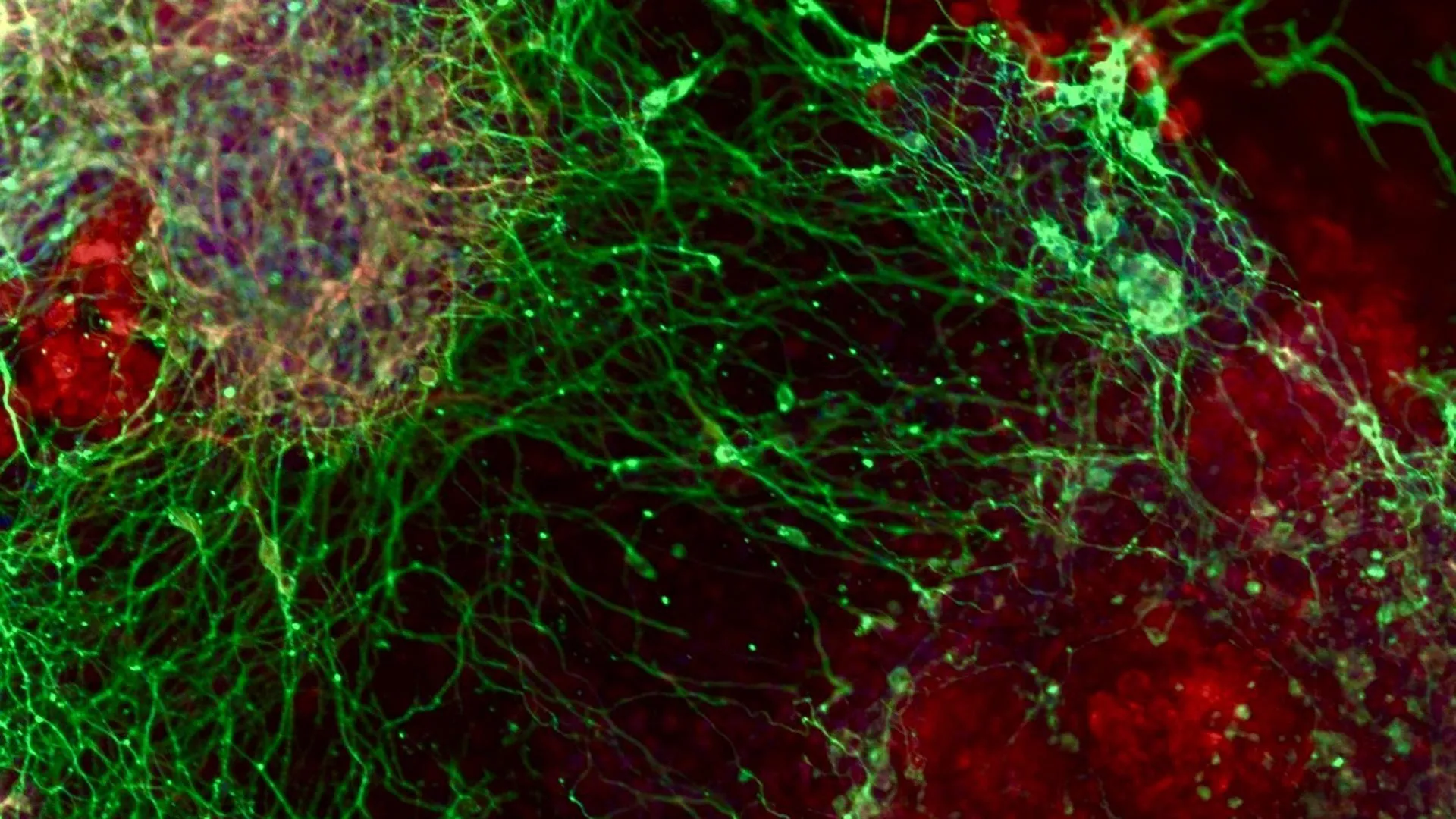
A groundbreaking investigation, published in the esteemed journal Nature Neuroscience on January 5th, has meticulously charted the genetic landscape essential for the intricate process by which nascent stem cells transform into specialized brain cells. This ambitious endeavor, a collaborative effort between Professor Sagiv Shifman of The Hebrew University of Jerusalem’s Institute of Life Sciences and Professor Binnaz Yalcin from INSERM in France, leveraged sophisticated genome-wide CRISPR knockout screening techniques to pinpoint the genes indispensable during the foundational stages of neural organogenesis.
The core objective of this research was to definitively establish the genetic underpinnings that govern the precise formation of brain cells. Employing the revolutionary CRISPR gene-editing technology, the scientific team systematically deactivated approximately 20,000 genes, one by one, to meticulously observe the consequences as embryonic stem cells embarked on their developmental trajectory towards becoming neural cells. These experiments were conducted in parallel on both undifferentiated stem cells and those undergoing the complex process of neural differentiation. By systematically silencing individual genes, the researchers were able to isolate and identify those that are critically required for the seamless progression of this vital developmental pathway.
This systematic and exhaustive approach yielded a comprehensive outline of the principal phases involved in neural differentiation. In total, the study identified a remarkable 331 genes as being paramount for the generation of neurons. A significant proportion of these identified genes had not been previously implicated in the earliest phases of brain development, offering novel insights into the complex genetic architecture that orchestrates neural formation. The findings hold substantial promise for advancing our understanding of the genetic factors that may contribute to a spectrum of neurodevelopmental conditions, including those characterized by alterations in brain size, autistic spectrum disorders, and various forms of developmental delay.
A particularly salient discovery from this extensive genetic survey was the identification of a gene, designated PEDS1, as the root cause of a previously unrecognized neurodevelopmental disorder. PEDS1 is integral to the synthesis of plasmalogens, a distinct class of membrane phospholipids that are exceptionally concentrated within myelin, the crucial fatty sheath that insulates nerve fibers. The comprehensive CRISPR screen elucidated that PEDS1 plays a pivotal role in the formation of nerve cells, and its absence leads to a demonstrable reduction in brain size. These observations strongly suggested that a deficiency in PEDS1 could profoundly impede human brain development.
This hypothesis was subsequently corroborated through rigorous genetic analyses performed on two unrelated families. In both instances, children exhibiting severe developmental impairments were found to harbor a rare mutation within the PEDS1 gene. These affected children presented with significant developmental delays alongside a marked microcephaly, or smaller than average brain size.
To definitively ascertain whether the loss of PEDS1 directly precipitates these observed effects, the researchers proceeded to experimentally disable the gene in relevant model systems. These targeted interventions unequivocally confirmed that PEDS1 is an indispensable requirement for normal brain development. In its absence, nerve cells fail to develop or migrate in the proper manner, thereby illuminating the underlying biological mechanisms responsible for the clinical manifestations observed in the children carrying the PEDS1 mutation. Professor Sagiv Shifman of Hebrew University’s Faculty of Mathematics and Natural Sciences articulated the significance of this research, stating, "By meticulously tracking the differentiation of embryonic stem cells into neural cells and systematically disrupting nearly every gene within the genome, we have effectively constructed a detailed map of the genes that are essential for brain development. This invaluable map serves as a foundational tool for enhancing our comprehension of how the brain develops and for identifying novel genes associated with neurodevelopmental disorders that remain undiscovered. The identification of PEDS1 as a genetic etiology of developmental impairment in children, coupled with a clarified understanding of its function, paves the way for improved diagnostic capabilities and more effective genetic counseling for affected families, and potentially supports the development of targeted therapeutic interventions in the future."
Beyond the identification of specific genes, the study also uncovered broader patterns that could inform predictive models for the inheritance of neurodevelopmental disorders. Genes that exert regulatory control over the activity of other genes, including those involved in transcription and chromatin modification, are frequently associated with dominant forms of inheritance. In such scenarios, a defect in a single copy of the gene can be sufficient to manifest as a disease. Conversely, conditions linked to metabolic genes, such as PEDS1, tend to follow a recessive inheritance pattern. This implies that both copies of the gene must be altered, typically with each parent carrying one mutated copy, for the disorder to appear. Recognizing the correlation between specific biological pathways and inheritance patterns offers a powerful avenue for researchers and clinicians to more effectively identify and prioritize genes implicated in disease etiology.
Furthermore, the researchers developed an "essentiality map" that visually represents the temporal requirement for specific genes throughout the developmental process. This map proved instrumental in delineating the distinct genetic mechanisms associated with autism and those linked to developmental delay. Genes found to be essential across multiple developmental stages demonstrated a stronger correlation with developmental delay. In contrast, genes that are particularly crucial during the critical period of nerve cell formation were more closely associated with autism. These findings provide a compelling explanation for the observed overlap in symptoms that can arise from different genetic disruptions and lend further support to the notion that early alterations in brain development are a significant contributing factor to autism.
In a move to foster collaborative scientific progress, the research team has made the comprehensive results of their study publicly accessible through an open online database. This initiative empowers researchers worldwide to explore the generated data and build upon the findings. Professor Shifman highlighted the foresight of PhD student Alana Amelan, who was instrumental in executing a substantial portion of the study and developing the online platform, stating, "We were driven by the desire for our findings to benefit the entire scientific community. This database will undoubtedly support ongoing research into the identified genes and aid other researchers in pinpointing additional genes involved in neurodevelopmental disorders." This extensive genetic inventory serves as a critical resource, laying a robust foundation for future investigations into the complexities of brain development and the etiology of neurological conditions. The insights gleaned from this research are poised to enhance the precision of genetic diagnoses for neurodevelopmental disorders and to guide future research efforts focused on prevention and the development of effective treatments.
About the Author