In an era increasingly defined by efficiency and automation, the culinary world occasionally offers a captivating glimpse into time-honored practices that prioritize spectacle, precision, and personalized service. Among these cherished traditions, the tableside carving of meats stands out as a sophisticated ritual, transforming a simple meal into an engaging, interactive event. This distinctive form of gastronomic theater, once a hallmark of elite dining, continues to be meticulously preserved by a select group of restaurant chains, each offering a unique interpretation of this refined art. These establishments understand that dining extends beyond mere sustenance; it encompasses an immersive experience, a connection to culinary heritage, and a bespoke interaction between skilled server and discerning patron.
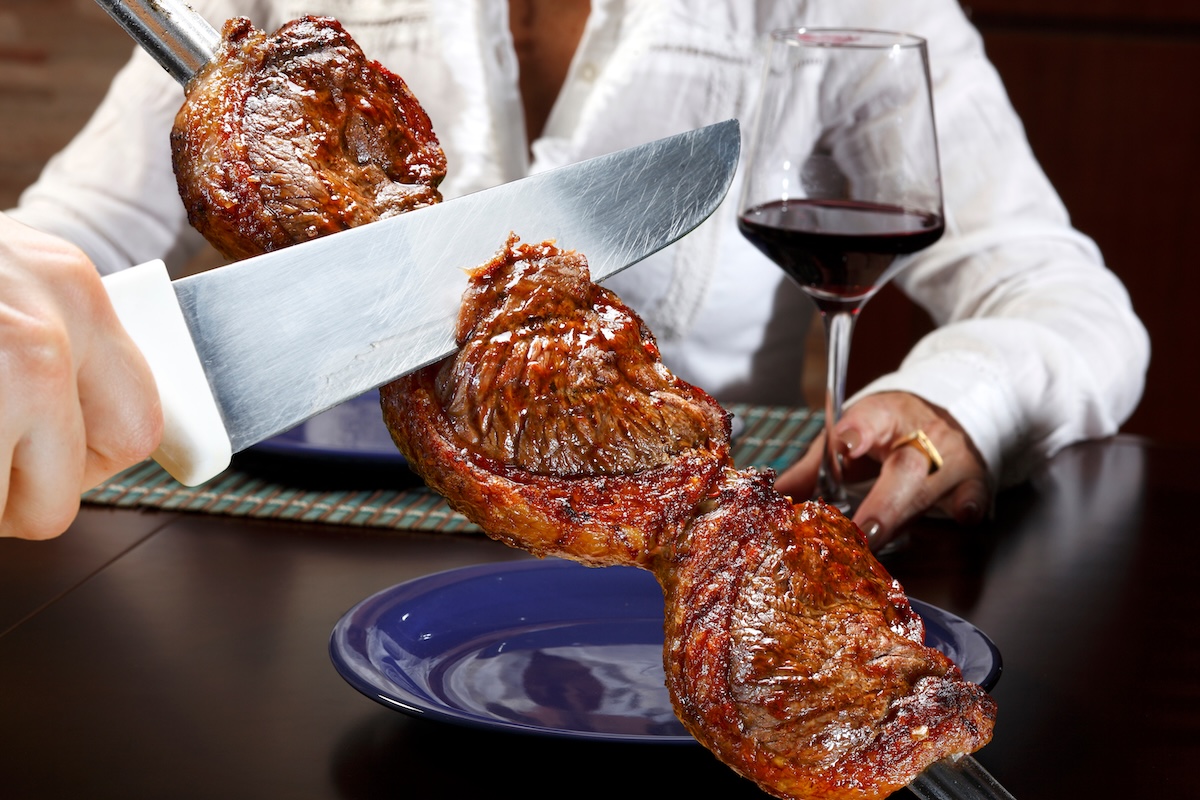
The allure of tableside service is multifaceted, deeply rooted in its ability to engage multiple senses and evoke a sense of occasion. Guests are not merely presented with a finished dish; they become observers, almost participants, in its final preparation. The glint of a sharp knife under the restaurant’s ambient lighting, the rhythmic sound of slices parting from a perfectly roasted joint, and the immediate release of rich, savory aromas collectively heighten anticipation. This direct interaction allows for unparalleled customization, particularly when it comes to preferred doneness and slice thickness, ensuring each portion is tailored precisely to the diner’s preference. It harks back to an earlier age of hospitality, where service was as much about performance as it was about provision, fostering a nostalgic appreciation for craftsmanship and attention to detail.
While the concept of tableside carving unites these establishments, their specific offerings diverge into two primary, albeit equally compelling, categories: the classic American prime rib experience and the vibrant Brazilian churrascaria tradition. Both styles command a mastery of roasting and carving techniques, yet they deliver distinct flavors and dining rituals, catering to varied epicurean desires.
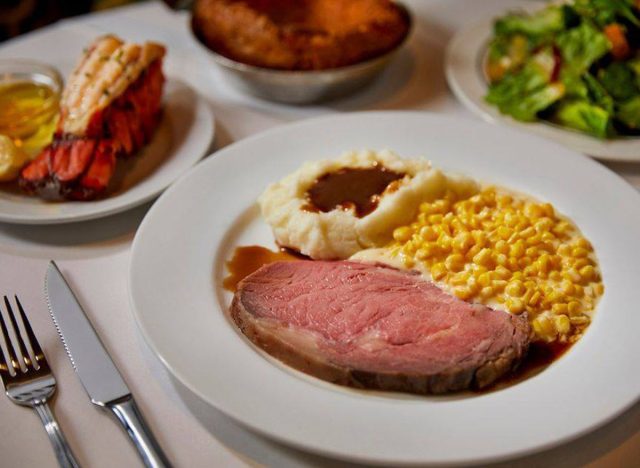
One of the most iconic proponents of the traditional American prime rib service is Lawry’s The Prime Rib. Since its inception in Beverly Hills in 1938, Lawry’s has become synonymous with perfectly slow-roasted prime rib, presented and carved with dramatic flair. Their signature "Silver Carts," bespoke mobile carving stations, are central to the experience. These gleaming, stainless steel chariots are not merely serving implements; they are miniature kitchens, equipped with specialized compartments designed to maintain precise temperatures for the prime rib, ensuring that each slice, whether rare, medium, or well-done, is served at its optimal warmth. The skilled carvers, often referred to as "chef carvers," are not just servers; they are artisans who have honed their craft over years, demonstrating remarkable precision as they navigate the substantial cuts of beef. They deftly inquire about the diner’s desired doneness, slice the meat to perfection, and ladle a rich, savory au jus or horseradish sauce directly onto the plate. The performance extends beyond the meat itself, with the cart also housing elements of Lawry’s famous accompaniments, such as the spinning bowl salad prepared with a theatrical flourish, fluffy mashed potatoes, and iconic creamed spinach or corn. This enduring dedication to a singular, exceptional dish and its ceremonial presentation has cemented Lawry’s legacy as a bastion of sophisticated, traditional American dining, providing a consistent, high-quality experience across its locations.
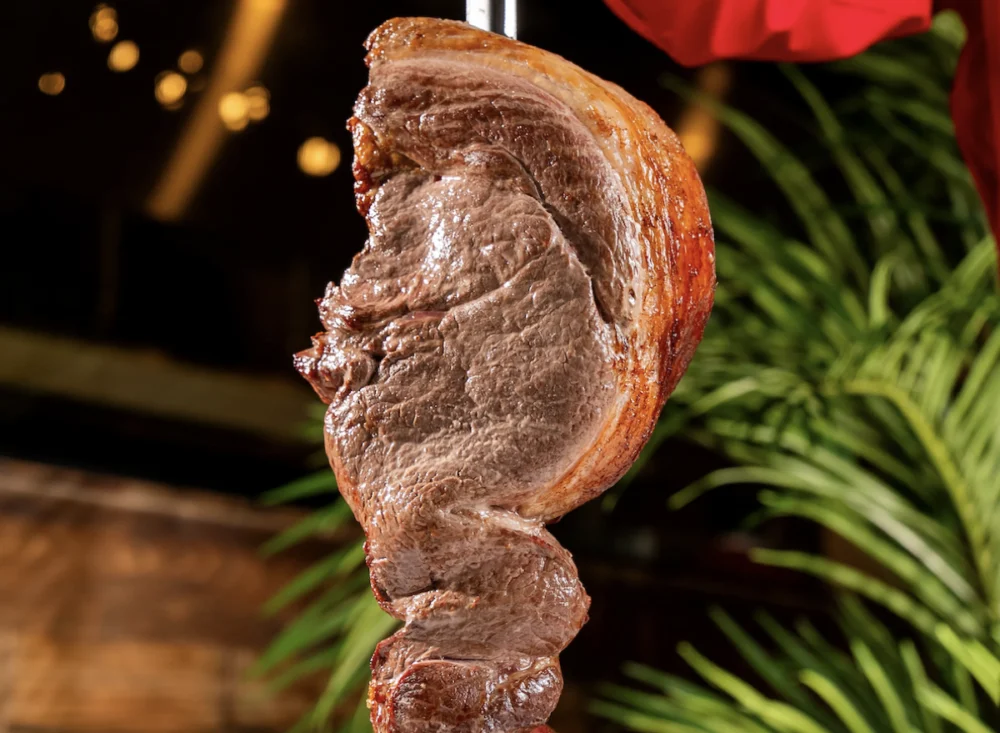
In stark contrast, yet equally compelling in its tableside presentation, is the dynamic and continuous service style of the Brazilian churrascaria. This dining concept, originating from the gaucho cowboys of Southern Brazil, centers around the rodizio style of service, an all-you-can-eat feast where various cuts of meat, expertly grilled over open flames, are brought directly to the diners’ tables on large skewers (espetos) and carved on demand. The gauchos, typically dressed in traditional attire, circulate through the dining room, offering an impressive array of meticulously prepared proteins. This continuous flow of freshly carved meat creates an interactive and highly personalized dining adventure, encouraging guests to sample a wide variety of flavors and textures at their own pace.
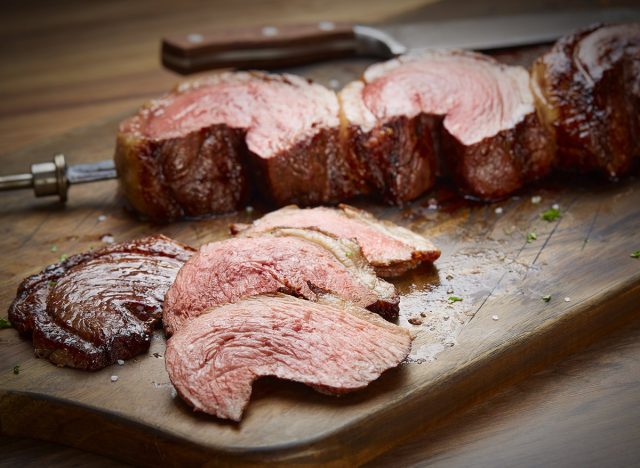
Several prominent chains have successfully popularized the churrascaria experience, bringing this vibrant Brazilian tradition to a global audience. Fogo de Chão, a pioneer in the segment, exemplifies this dedication. Their gaucho chefs showcase a diverse selection of fire-roasted meats, from succulent beef to tender lamb and flavorful pork. The star of their menu, and indeed any churrascaria, is often the Picanha, the prime cut of the top sirloin, celebrated for its rich fat cap and robust flavor, meticulously seasoned with rock salt and carved thin to highlight its tenderness. Fogo de Chão’s commitment extends to offering a comprehensive "Gourmet Market Table," an elaborate spread of fresh salads, cured meats, artisanal cheeses, and traditional Brazilian hot dishes like feijoada, providing a perfect complement to the parade of proteins.
Similarly, Rodizio Grill upholds the authentic rodizio tradition with its extensive selection of rotisserie-grilled meats. Their gauchos present cuts such as Fraldinha (bottom sirloin) and Picanha, ensuring each slice is tender and bursting with the flavors imparted by their slow-roasting process and signature seasonings. The emphasis here is on the continuous flow and variety, allowing guests to indulge in a seemingly endless procession of perfectly cooked meats, each carved fresh at their table.
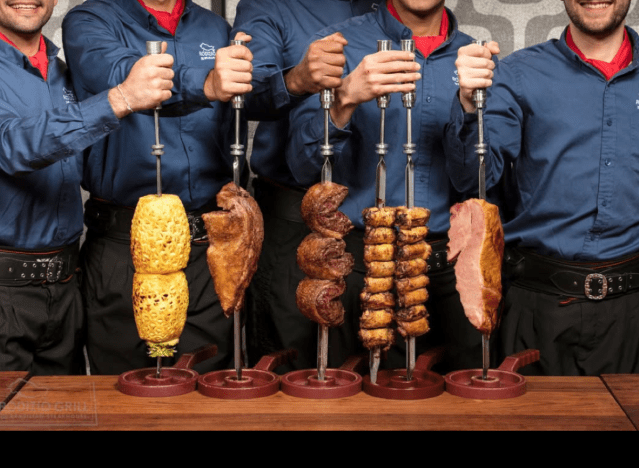
Terra Gaucha Brazilian Steakhouse further reinforces the appeal of this style of dining. Patrons consistently praise the exceptional quality of their beef tenderloin, beef ribs, and other cuts, noting the meticulous preparation and flavorful profiles. The interactive element of having the meats carved directly onto the plate, combined with the assurance of fresh, hot servings, contributes significantly to a highly satisfying meal, often cited for both its culinary excellence and attentive service.
Rounding out the list of distinguished churrascaria establishments is Texas de Brazil, which expertly blends the robust traditions of Brazilian grilling with the generous hospitality often associated with Texas. This fusion is evident in their extensive menu, which features a wide array of churrasco-style meats, from various preparations of sirloin and beef ribs to lamb chops and chicken. The dining experience is enhanced by a lavish salad area, referred to as their "chef-crafted salad bar," which offers an impressive assortment of gourmet items, including imported cheeses, charcuterie, and seasonal vegetables, providing a refreshing counterpoint to the rich meat selections. Diners frequently commend the tender, juicy, and flavorful characteristics of their offerings, often highlighting specific cuts like the spicy sirloin for its unique zest and succulence.
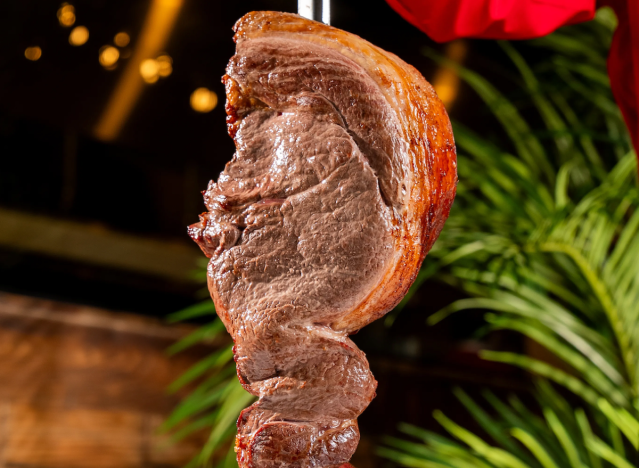
In an increasingly digitized and often impersonal world, these establishments serve as vital custodians of a time-honored dining tradition. They remind us that the act of eating can transcend mere sustenance, evolving into a memorable event defined by artistry, interaction, and an unwavering commitment to quality. Whether it’s the refined elegance of a prime rib being carved from a silver cart or the lively procession of gauchos offering an array of fire-roasted meats, the tableside carving experience offers more than just a meal; it delivers a captivating performance, a personalized touch, and a profound appreciation for culinary craftsmanship that continues to delight and inspire. These premier dining destinations prove that some traditions, far from fading, continue to thrive by offering an unparalleled blend of delicious food and unforgettable theatricality.
About the Author