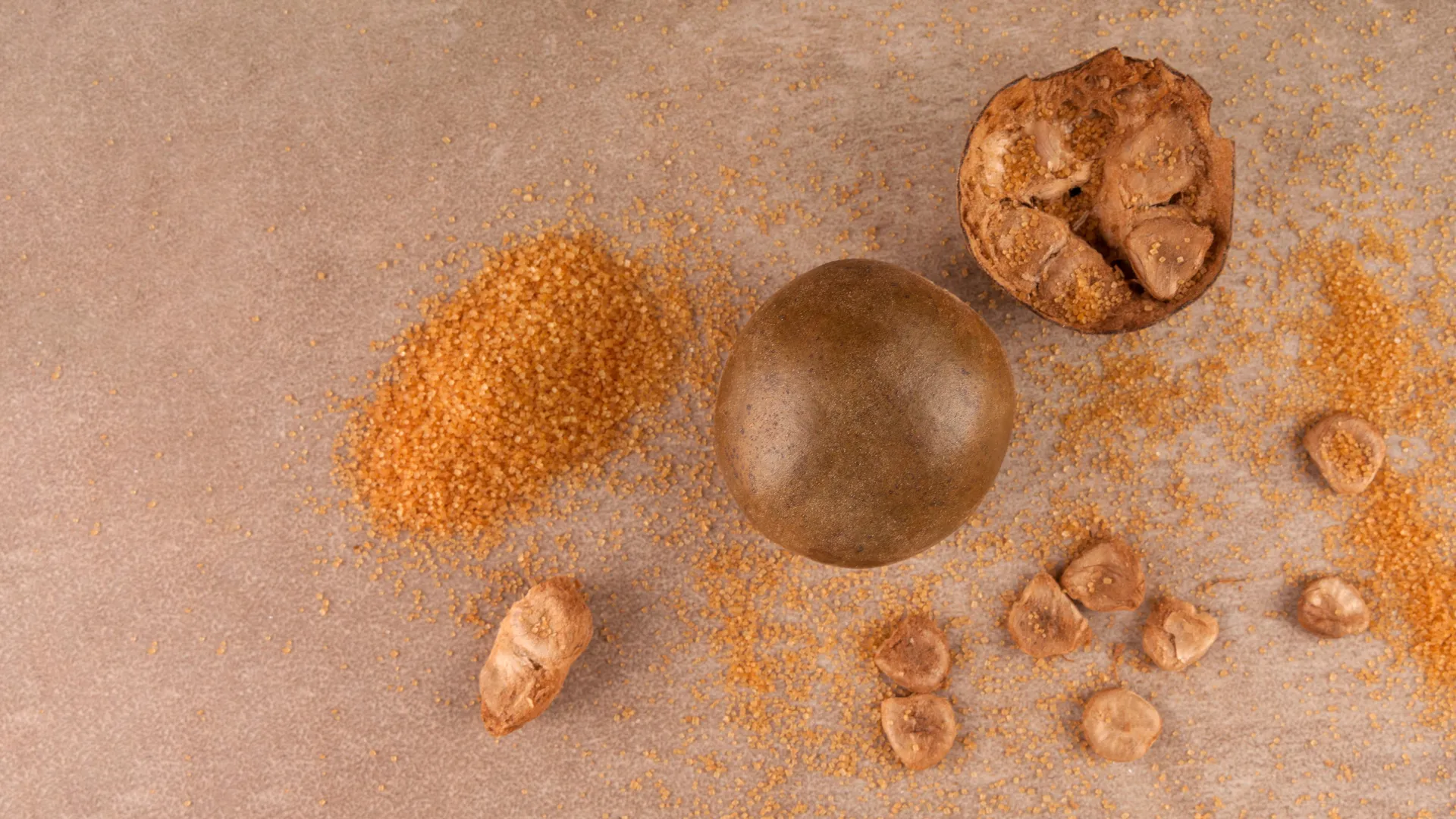
A groundbreaking investigation, recently disseminated within the pages of the esteemed Journal of the Science of Food and Agriculture, meticulously dissects the intricate biochemical architecture of Luo Han Guo, illuminating the specific chemical constituents responsible for its biological activity and their potential to bolster human well-being. The research endeavor focused on a detailed characterization of the unique phytochemical profile of the fruit, seeking to elucidate the mechanisms through which these compounds exert their salutary effects.
At the core of Luo Han Guo’s significant biological potency lies an extraordinary reservoir of what phytochemists categorize as secondary metabolites. These are complex organic compounds synthesized by plants that, while not indispensable for the plant’s fundamental growth and development, frequently fulfill crucial roles in defense mechanisms, pigment production, flavor development, and, significantly, in influencing human health outcomes. The researchers in this study specifically targeted three principal classes of these compounds: terpenoids, flavonoids, and amino acids, each contributing distinct yet complementary health-promoting attributes.
Terpenoids represent a vast and diverse group of organic molecules ubiquitously found in the plant kingdom, many of which are recognized for their capacity to exhibit robust antioxidant and anti-inflammatory properties. Simultaneously, flavonoids constitute another expansive category of plant-derived chemicals celebrated for their exceptional ability to neutralize detrimental free radicals and to foster cardiovascular and metabolic health. Amino acids, the fundamental molecular units that assemble into proteins, are indispensable for a multitude of physiological processes within the human body, including the critical tasks of tissue regeneration and the maintenance of a robust immune system.
To gain a comprehensive understanding of the distribution and concentration of these valuable compounds, the scientific team undertook an exhaustive examination of both the outer peel and the inner pulp of four distinct cultivars of Luo Han Guo. This meticulous approach enabled them to precisely pinpoint the locations within the fruit where these bioactive substances are most abundant and to gain deeper insights into their inherent biological behavior.
Beyond the mere identification and quantification of these compounds, the study delved into the intricate ways in which they interact with specific cellular components and biological pathways. The research explored how these fruit-derived molecules engage with antioxidant receptors, which are specialized protein structures embedded within cell membranes or found within the cytoplasm, acting as crucial communication points that receive external signals and initiate cascades of cellular responses. Furthermore, the investigation examined their interactions with other biological targets, shedding light on how these interactions modulate a variety of physiological processes. These intricate molecular dialogues influence a spectrum of biological pathways – complex, multi-step sequences of biochemical reactions that orchestrate essential bodily functions such as the regulation of inflammatory responses, the efficient management of metabolic processes, and the fundamental protection of cellular integrity.
By unraveling these complex biological pathways, the research provides a more profound explanation for why monk fruit may possess health-promoting characteristics that extend well beyond its well-established application as a natural, zero-calorie sweetener. The multifaceted nature of its chemical composition suggests a broader therapeutic potential yet to be fully explored.
The researchers underscored the critical importance of examining multiple varieties of monk fruit, emphasizing that the biochemical makeup of this fruit is not uniform across all its forms. Significant variations in the levels and specific combinations of active compounds can exist between different cultivars. As articulated by the study’s authors, "it is crucial to conduct an in-depth investigation on the high-resolution metabolic profiles of different Luo Han Guo varieties, providing valuable insights into the nutritional and health characteristics as well as the manufacturing suitability of the various resources available from this plant." This detailed chemical mapping is an indispensable step in scientifically assessing the distinct properties of each variety, thereby facilitating informed decisions regarding their optimal application in food products, dietary supplements, or other commercial and therapeutic uses.
In summary, monk fruit, a perennial vine indigenous to China and a member of the gourd family, is increasingly recognized for its multifaceted health benefits, moving beyond its primary role as a popular low-calorie natural sweetener. Emerging scientific evidence reveals that this fruit harbors a rich array of bioactive compounds, including potent antioxidants, diverse plant metabolites, and essential amino acids. These constituents actively engage with critical biological systems within the human body, suggesting a significant role in promoting overall health and well-being. As ongoing scientific exploration continues to illuminate its intricate chemical composition, monk fruit is solidifying its position as a valuable natural resource, offering a compelling spectrum of nutritional and health advantages deeply rooted in its unique inherent makeup. The synergistic interplay of these compounds promises to unlock further therapeutic and dietary applications in the future.
About the Author