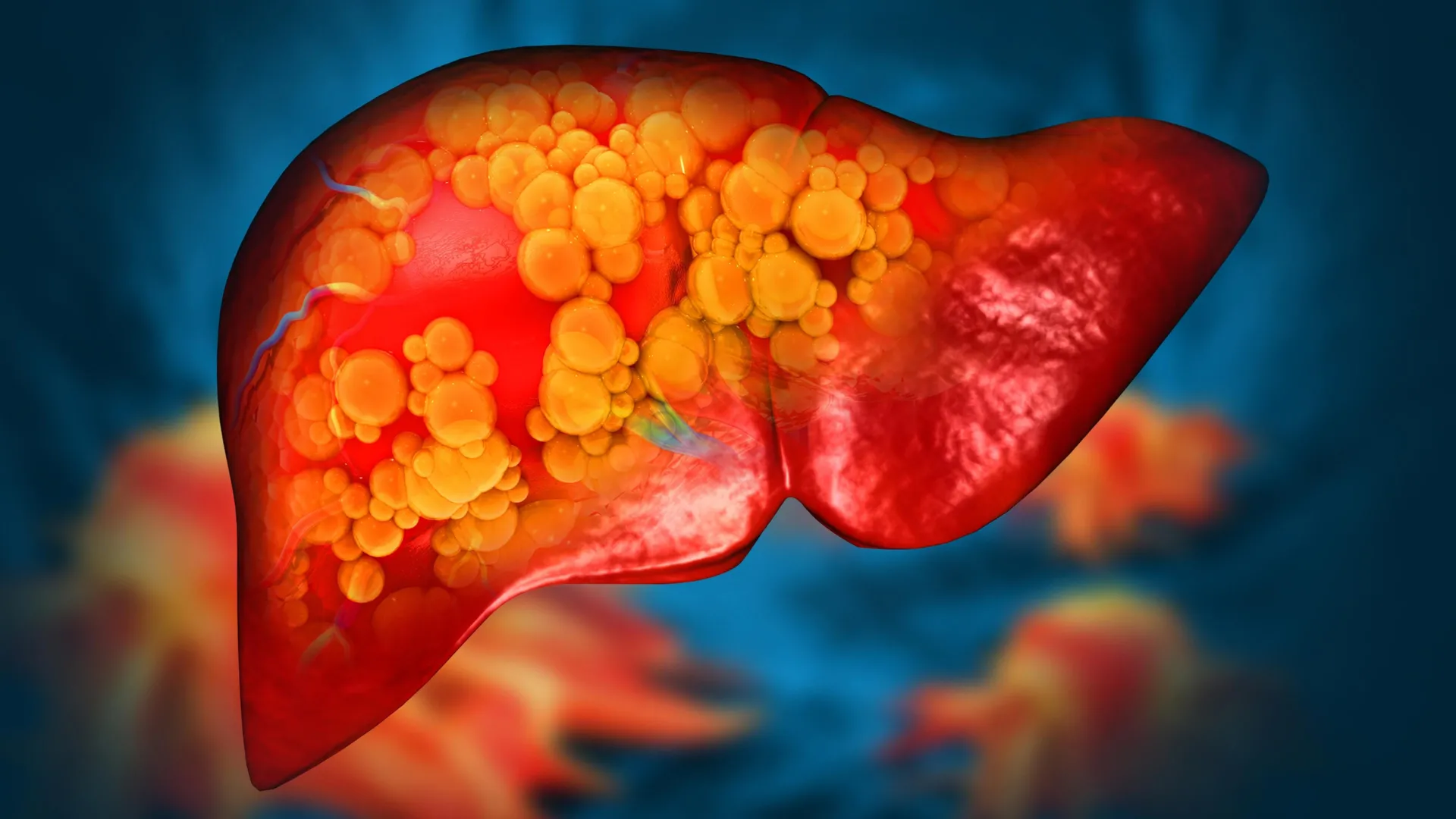
A groundbreaking discovery by researchers at Mayo Clinic’s Center for Individualized Medicine has illuminated a rare genetic anomaly capable of directly precipitating metabolic dysfunction-associated steatotic liver disease, a condition previously understood primarily through the lens of lifestyle and broader genetic predispositions. This seminal work, published in the esteemed journal Hepatology, fundamentally alters the understanding of this prevalent ailment by demonstrating that, in specific instances, a single inherited genetic alteration can be the primary driver of its onset.
Historically, the development of metabolic dysfunction-associated steatotic liver disease, formerly known as nonalcoholic fatty liver disease, was attributed to a complex interplay of genetic susceptibility and external factors such as dietary habits and physical activity levels. However, the findings from Mayo Clinic provide compelling evidence that the genetic landscape can harbor isolated, potent mutations that independently initiate the pathological cascade. This paradigm shift underscores the critical importance of scrutinizing individual genetic blueprints when investigating complex health conditions.
The scientific investigation zeroed in on the MET gene, a crucial component of cellular machinery involved in the intricate processes of liver regeneration and lipid metabolism. When the functional integrity of the MET gene is compromised by a specific variant, the liver’s capacity to regulate fat accumulation is severely impaired, leading to a buildup of lipids within hepatocytes. This intracellular steatosis is not merely a passive accumulation; it can trigger inflammatory responses within the liver tissue. Over prolonged periods, persistent inflammation can advance through stages of fibrosis, characterized by the formation of scar tissue that progressively stiffens the liver parenchyma. In its most advanced manifestations, this scarring can culminate in cirrhosis, a state of irreversible liver damage that carries significant risks, including the potential for liver failure and the development of hepatocellular carcinoma.
The global health burden of metabolic dysfunction-associated steatotic liver disease is substantial, affecting approximately one-third of the adult population worldwide. Its more aggressive counterpart, metabolic dysfunction-associated steatohepatitis, is projected to ascend to the forefront as the leading cause of cirrhosis and the primary indication for liver transplantation in the coming years, highlighting the urgent need for innovative diagnostic and therapeutic strategies.
Lead author Filippo Pinto e Vairo, M.D., Ph.D., who also serves as the medical director of the Program for Rare and Undiagnosed Diseases at Mayo Clinic’s Center for Individualized Medicine, articulated the profound implications of this research. "This discovery opens a window into how rare inherited genetic variants can drive common diseases," he stated, emphasizing that the findings offer novel insights into the fundamental mechanisms underlying the disease’s pathogenesis and point towards promising avenues for the development of targeted therapeutic interventions in future research endeavors.
The genesis of this pivotal discovery can be traced back to the meticulous genomic analysis of a familial cohort presenting with metabolic dysfunction-associated steatohepatitis. The research team encountered a striking case involving a woman and her father, both of whom exhibited the condition, yet notably, neither presented with common comorbidities such as diabetes or hypercholesterolemia, which are typically associated with hepatic fat accumulation. This atypical presentation spurred an exhaustive investigation.
Given the absence of conventional etiological explanations, the researchers embarked on an extensive genome-wide analysis, meticulously examining the DNA sequences across more than 20,000 genes. During this comprehensive genetic exploration, a subtle yet consequential alteration was identified within the MET gene. In collaboration with scientists from the Medical College of Wisconsin’s John & Linda Mellowes Center for Genomic Sciences and Precision Medicine, spearheaded by Raul Urrutia, M.D., the Mayo Clinic team was able to confirm that this specific mutation critically disrupted a vital biological pathway.
Genes, the fundamental units of heredity, are encoded by sequences of chemical bases that dictate the body’s functional blueprint. In this instance, a single base-pair substitution within the DNA sequence of the MET gene resulted in a corrupted genetic message, thereby impairing the liver’s ability to efficiently process and manage lipids. This particular rare genetic variant, identified within the studied family, had not previously been documented in existing scientific literature or public genetic databases, underscoring its novelty and significance.
Dr. Urrutia further elaborated on the broader implications of this research, remarking, "This study demonstrates that rare diseases are not rare but often hidden in the large pool of complex disorders, underscoring the immense power of individualized medicine in identifying them, and enabling the design of advanced diagnostics and targeted therapies." His statement highlights the transformative potential of precision medicine in unraveling the genetic underpinnings of seemingly common ailments.
To ascertain the prevalence of this identified mutation beyond the initial family, the research team leveraged the extensive genomic data housed within Mayo Clinic’s Tapestry study. This ambitious initiative is dedicated to identifying genetic factors that contribute to disease susceptibility and progression. The Tapestry project has amassed germline DNA samples from over 100,000 participants across the United States, constructing a vast genomic repository that serves as an invaluable resource for investigating a wide spectrum of health conditions, both established and emerging.
Within the Tapestry cohort, a comprehensive analysis of nearly 4,000 adults diagnosed with metabolic dysfunction-associated steatotic liver disease revealed that approximately 1% carried rare variants within the MET gene that are strongly implicated in the development of the condition. Significantly, nearly 18% of these identified variants occurred within the identical critical region of the MET gene that was pinpointed in the original family, thereby reinforcing the hypothesis that this gene plays a pivotal role in the pathogenesis of liver disease.
Konstantinos Lazaridis, M.D., a senior author of the study and the Carlson and Nelson Endowed Executive Director for the Center for Individualized Medicine, underscored the potential reach of this discovery. "This finding could potentially affect hundreds of thousands, if not millions, of people worldwide with or at risk for metabolic dysfunction-associated steatotic liver disease," he projected, emphasizing the widespread impact this genetic insight may have on global public health.
Dr. Lazaridis also lauded the Tapestry study’s instrumental role in uncovering deeply embedded genetic influences on disease. "Once a pathogenic variant is discovered, interrogating our Tapestry data repository is giving us a clearer lens into the hidden layers of disease, and this discovery is one of the first to demonstrate its scientific significance," he explained. He further elaborated on the profound value of studying familial disease patterns and the indispensable contribution of large-scale genomic datasets in revealing rare genetic variations that carry significant implications for population health.
This discovery further accentuates the escalating integration of genomic medicine into routine clinical practice at Mayo Clinic. Clinicians and researchers are increasingly harnessing sophisticated genetic technologies to elucidate the complex etiologies of challenging diseases. Since its inception in 2019, the Program for Rare and Undiagnosed Diseases has facilitated comprehensive genomic testing for over 3,200 patients. This program collaborates with a network of nearly 300 clinicians across 14 divisions at Mayo Clinic, enabling the delivery of precision diagnostics for individuals grappling with difficult-to-diagnose conditions, including rare liver disorders.
The research team anticipates that future investigations will build upon this foundational discovery to explore how these insights into metabolic dysfunction-associated steatotic liver disease can pave the way for the development of more precise and effective treatments, as well as enhance diagnostic accuracy and patient management strategies.
About the Author