
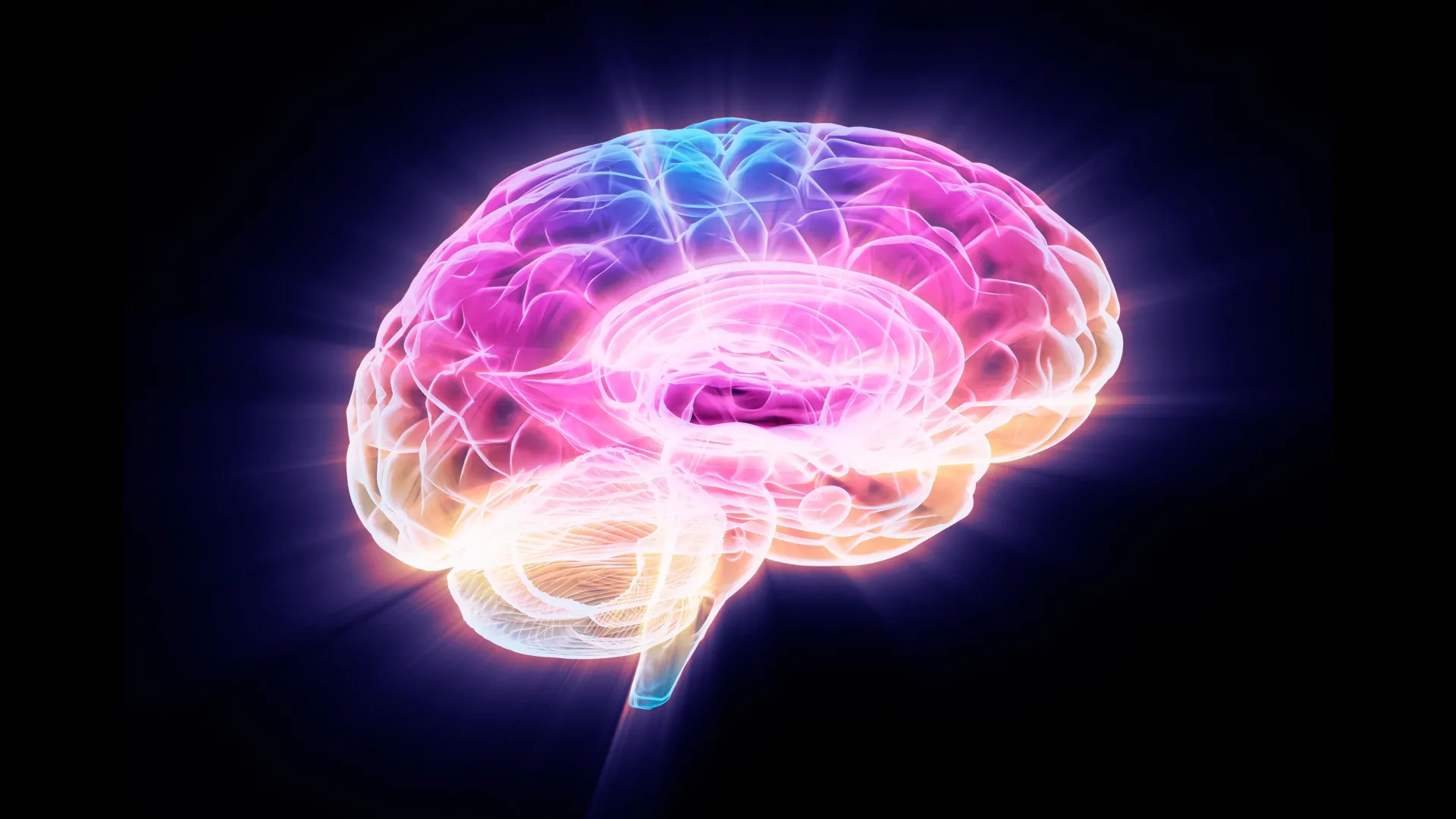
A groundbreaking scientific inquiry has identified a specific protein that appears to be a principal instigator of age-related deterioration within the hippocampus, a critical brain region responsible for learning and memory formation, and has furthermore elucidated potential avenues for intervention to counteract these effects. Researchers at the University of California, San Francisco (UCSF) embarked on an extensive investigation into the molecular underpinnings of cognitive aging, focusing their attention on the hippocampus. Their meticulous tracking of genetic and protein expression patterns in the brains of mice as they aged revealed a singular element that consistently differentiated younger specimens from their older counterparts. This pivotal molecule has been identified as FTL1.
The study’s findings indicated a clear correlation between elevated FTL1 levels and the physiological hallmarks of aging in the hippocampus. Older mice consistently exhibited higher concentrations of this protein, a phenomenon that coincided with a demonstrable reduction in the synaptic connections between neurons within this vital brain area. This structural alteration was, in turn, reflected in their performance on a battery of cognitive assessments, where the aged mice consistently underperformed compared to their younger counterparts. This initial discovery set the stage for a deeper exploration into the functional role of FTL1 in the aging process.
To further scrutinize the impact of FTL1, the research team deliberately manipulated its levels in the brains of young, healthy mice. The results of this experimental intervention were profoundly telling. When FTL1 levels were experimentally elevated in younger animals, their hippocampal structures and functionality began to mirror those observed in older mice. This biochemical and structural shift was not merely confined to cellular changes; it manifested in observable behavioral alterations that suggested a premature aging of their cognitive capabilities. This experimental manipulation provided compelling evidence that FTL1 actively contributes to the aging phenotype within the hippocampus.
Delving deeper into the cellular mechanisms at play, laboratory experiments provided a more granular understanding of how FTL1 exerts its influence on neuronal architecture. Nerve cells that were genetically engineered to overproduce FTL1 underwent significant morphological changes. Instead of developing the intricate, multi-branched dendritic structures characteristic of healthy, well-connected neurons, these cells adopted simplified, more linear forms, characterized by short, singular extensions. This simplification of neuronal morphology directly impairs the capacity of these cells to form the complex networks essential for robust learning and memory. The dense, interconnected web of neural pathways is crucial for efficient information processing and storage, and FTL1 appears to disrupt the very formation and maintenance of this intricate circuitry.
Perhaps the most compelling and potentially transformative aspect of the research emerged when the scientists investigated the possibility of reversing the age-induced cognitive deficits by modulating FTL1 levels. In a series of experiments involving older mice, the researchers successfully reduced the expression of FTL1 within their hippocampi. The outcome was nothing short of remarkable. The aged animals displayed significant signs of cognitive recovery. The number of synaptic connections between neurons began to rebound, and their performance on memory-related tasks showed a marked improvement, approaching levels seen in younger, unimpaired mice. This restoration of neural connectivity and cognitive function suggested that the detrimental effects of FTL1 were not necessarily permanent and could potentially be ameliorated.
Dr. Saul Villeda, an associate director at the UCSF Bakar Aging Research Institute and the senior author of the study, which was published in the prestigious journal Nature Aging, underscored the significance of these findings. He described the observed improvements as a genuine "reversal of impairments," moving beyond mere symptom management or prevention. This suggests that interventions targeting FTL1 could offer a pathway to not just slow down, but potentially restore, cognitive function lost to aging. The implication is that the aging process, at least in terms of hippocampal function, might be more malleable than previously assumed.
Further investigations illuminated a crucial link between FTL1 and cellular metabolism within the brain. The study revealed that elevated FTL1 levels in older mice led to a deceleration of metabolic activity within hippocampal cells. Metabolism is the fundamental process by which cells generate energy, and a decline in this process can impair cellular function. However, the researchers found that when these metabolically sluggish cells were treated with a compound known to enhance cellular energy production, the detrimental effects associated with high FTL1 levels were effectively counteracted. This metabolic connection opens up another promising avenue for therapeutic intervention, suggesting that enhancing cellular energy pathways could be a viable strategy to mitigate the negative impacts of FTL1.
The implications of this research extend far beyond the laboratory, offering a beacon of hope for the development of novel therapeutic strategies aimed at combating the debilitating effects of brain aging. Dr. Villeda expressed optimism that these findings could pave the way for treatments that specifically target FTL1, thereby counteracting its detrimental influence on the aging brain. He articulated a vision where the most severe consequences of advanced age could be alleviated, characterizing the current era of aging research as a particularly encouraging period. The ability to identify a specific molecular driver of aging and to demonstrate the potential for its reversal or mitigation marks a significant leap forward in our understanding of neurodegenerative processes.
The research team responsible for this pivotal study comprised a dedicated group of scientists from UCSF. The collaborative effort included contributions from individuals such as Laura Remesal, PhD, Juliana Sucharov-Costa, Karishma J.B. Pratt, PhD, Gregor Bieri, PhD, Amber Philp, PhD, Mason Phan, Turan Aghayev, MD, PhD, Charles W. White III, PhD, Elizabeth G. Wheatley, PhD, Brandon R. Desousa, Isha H. Jian, Jason C. Maynard, PhD, and Alma L. Burlingame, PhD. Their collective expertise and tireless efforts were instrumental in unraveling the complex mechanisms of FTL1 and its role in cognitive decline.
This significant scientific endeavor was made possible through the generous support of several foundations and national institutions. Funding for this research was provided, in part, by the Simons Foundation, the Bakar Family Foundation, the National Science Foundation, the Hillblom Foundation, the Bakar Aging Research Institute, and by Marc and Lynne Benioff. Furthermore, crucial support was received from the National Institutes of Health, specifically through grants AG081038, AG067740, AG062357, and P30 DK063720. This multifaceted funding landscape underscores the collaborative and well-supported nature of cutting-edge scientific research in the field of aging and neuroscience. The detailed acknowledgment of authors and funding sources is crucial for transparency and for enabling further research building upon these findings.
About the Author












