
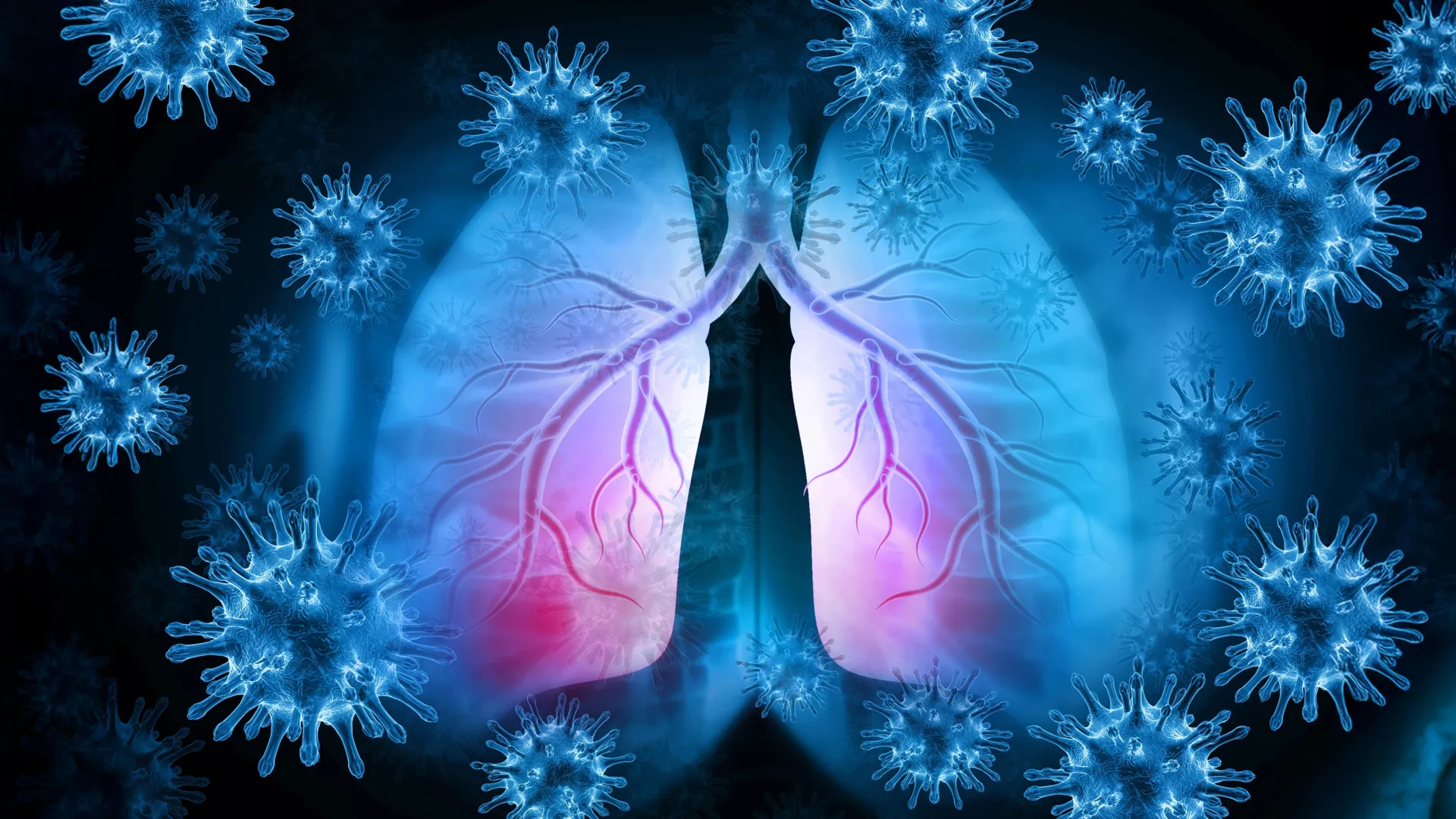
A groundbreaking investigation conducted at the University of California, San Francisco (UCSF) has illuminated a critical mechanism that renders older adults disproportionately susceptible to severe outcomes from common respiratory infections like influenza and COVID-19. The study posits that cellular aging within the lung tissue itself can initiate an exaggerated and counterproductive immune reaction, transforming otherwise manageable infections into life-threatening conditions. This pivotal discovery offers profound new insights into the phenomenon of age-related inflammation, commonly referred to as "inflammaging," and provides a compelling explanation for why seemingly minor respiratory ailments can necessitate hospitalization in the elderly population.
At the core of this research lies the exploration of fibroblasts, specialized cells that serve as the architectural scaffolding of lung tissue, maintaining its structural integrity and function. The UCSF team’s experiments involved manipulating these cells in young laboratory mice, specifically by activating a stress pathway intrinsically linked to the aging process. This experimental intervention led to the formation of localized inflammatory cell clusters within the lung. Notably, some of these inflamed cells exhibited the presence of the GZMK gene, a genetic marker previously identified in individuals experiencing severe COVID-19. The researchers’ hypothesis is that these GZMK-marked cells, though not inherently adept at combating pathogens, contribute significantly to the inflammatory cascade, exacerbating lung damage.
The implications of this finding are far-reaching, suggesting a potential therapeutic avenue focused on intercepting this harmful cycle of inflammation before it escalates. Dr. Tien Peng, a senior author of the study and a distinguished professor of Medicine at UCSF, expressed surprise at the observed synergy between lung fibroblasts and immune cells in driving inflammaging. He emphasized that this intricate interplay suggests novel strategies for medical intervention, potentially preventing the progression to severe systemic inflammation that often requires mechanical ventilation. The study, published in the prestigious journal Immunity, was co-authored by Dr. Nancy Allen, a clinical fellow in the Pulmonary and Critical Care Division at UCSF.
Fibroblasts, while crucial for maintaining the stability and functionality of the lung’s intricate network of airways and alveoli, have also been implicated in the inflammatory processes underlying chronic obstructive pulmonary disease (COPD). The UCSF research aimed to ascertain whether signaling originating from these structural cells could destabilize otherwise healthy lung environments. Their investigation delved into the NF-kB pathway, a molecular signaling cascade frequently associated with age-related diseases. Upon activation, fibroblasts were observed to release signals that prompted resident macrophages within the lungs to initiate an immune response. This initial immune activation then served as a beacon, attracting additional immune cells from the systemic circulation, including those bearing the aforementioned GZMK marker.
The research demonstrated that these GZMK-positive immune cells, despite their inability to effectively clear infections, possessed a destructive capacity to inflict damage upon delicate lung tissue. Following the formation of these inflammatory cell aggregations, the young mice subjected to infection developed symptoms remarkably similar to those typically observed in older adults, including significant respiratory distress. A crucial experimental manipulation involved the genetic elimination of these GZMK-expressing cells. When this was achieved, the mice exhibited a significantly improved tolerance to the infection, underscoring the hypothesis that compromised lung tissue itself acts as a primary instigator of detrimental inflammation in aging individuals.
Further validating their findings, the UCSF researchers analyzed lung tissue samples obtained from elderly patients who had been hospitalized with severe COVID-19-related acute respiratory distress syndrome (ARDS). These samples revealed the presence of inflammatory cell clusters analogous to those observed in the experimental mice. A direct correlation emerged: patients experiencing more severe illness exhibited a greater abundance of these clusters. Conversely, lung tissue from healthy donors, free from infection and advanced age, showed no evidence of these inflammatory formations. This direct comparison between experimental models and human clinical data provides robust support for the study’s central thesis.
Dr. Peng further elaborated on the clinical observations made during the COVID-19 pandemic, noting that many critically ill patients continued to suffer from persistent and debilitating lung inflammation even after the viral infection itself had been cleared. He described this as a "circuit of dysfunction" between the lung’s structural cells and its immune defenses, a complex interaction that now presents itself as a promising target for novel therapeutic interventions. The identification of this specific cellular and molecular pathway offers a tangible and potentially addressable mechanism contributing to the heightened vulnerability of older adults to severe respiratory illness.
The study’s methodology involved a combination of in vivo experiments with genetically modified mice and ex vivo analysis of human tissue samples, a multi-pronged approach that strengthens the reliability of its conclusions. By focusing on fibroblasts and their interaction with immune cells through the NF-kB pathway, the research has pinpointed a crucial nexus of age-related vulnerability. The presence of GZMK-expressing cells, initially identified in severe COVID-19, has now been contextualized as a potential downstream consequence of aging lung tissue, rather than solely an indicator of viral pathology. This re-framing is significant for understanding and treating a broad spectrum of respiratory ailments in older populations.
The concept of "inflammaging" refers to a chronic, low-grade, systemic inflammation that accumulates with age, contributing to a wide range of age-related diseases. This UCSF study provides a specific, tissue-level manifestation of inflammaging within the lungs, demonstrating how cellular senescence and stress can trigger a maladaptive immune response. The findings suggest that interventions aimed at modulating fibroblast activity or targeting the NF-kB pathway could potentially mitigate the severity of respiratory infections in seniors, not by directly fighting the virus or bacteria, but by calming the overzealous immune system’s response that causes significant collateral damage.
Future research endeavors will likely focus on developing and testing drugs or therapies that can specifically target these problematic GZMK-expressing cells or interrupt the signaling pathways that lead to their formation and activation. The ultimate goal is to translate these fundamental biological discoveries into clinical applications that can improve the health and resilience of older adults against the threats posed by infectious diseases. This discovery marks a significant step forward in understanding the complex interplay between aging, immunity, and respiratory health, offering a beacon of hope for enhanced preventative and therapeutic strategies.
About the Author












